Rong Jinzhen’s dream affliction
DecodedRong Jinzhen’s dream affliction is a condition in which dreaming becomes exhausting, invasive, and difficult to escape. The text sets it apart from illnesses treated through ordinary medicine, yet makes dreams both the source of its harm and the place where its remedy is said to lie. Its meaning emerges through repeated contrasts: sleep against work, waking against dreaming, and a desired escape from dreams against the simultaneous wish not to wake.
How the Affliction Is Described
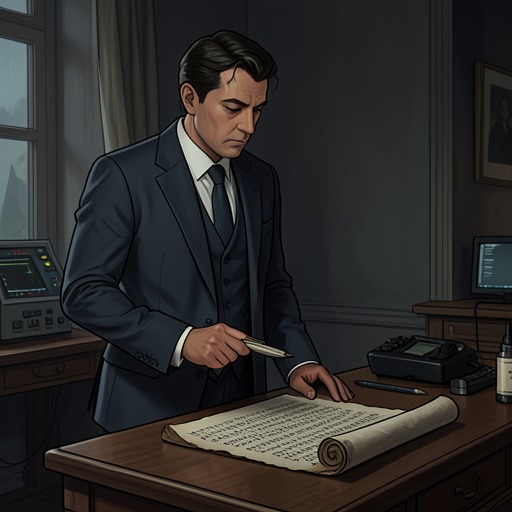
The account first frames dreaming as labor rather than rest. Klaus Johannes says that sleeping is exhausting because sleep requires dreaming. Rong Jinzhen’s reflection turns that observation toward wakefulness: not working is exhausting because an empty mind gives the past an opening to return. Work, by contrast, can make the past recede and even loosen the hold of the reason for working. The affliction therefore concerns more than what happens during sleep. Inactivity itself can expose him to recollection, while purposeful work offers a temporary means of keeping it at bay.
The text also records a doctor’s warning that dreaming harms health and is a sickness. This medical statement gives the experience a clinical frame, but the surrounding passages do not provide a diagnosis or explain its physiological cause. Instead, they present the condition through Rong Jinzhen’s reported exhaustion and his account of how dreams affect him. The distinction matters: the text offers a doctor’s judgment, but it does not reduce the experience to a fully explained medical condition.
Dreams as Both Illness and Remedy
A passage divides sickness into two types. One chiefly causes pain; the other makes a person dream. The first can be treated with medicine, and the second can be treated as well, but its medicine is said to be inside dreams. The contrast offers no easy reassurance. A dream is not simply an escape from ordinary illness: it is at once the defining symptom and the location of a possible cure. The claim leaves the nature of that cure unresolved, preserving the strain between the suggestion of recovery and the warning that this second sickness burns a person up.
The accompanying calls to wake up and not wake up pull in opposite directions. Their repetition makes the contradiction central rather than incidental: waking is urged as if it could interrupt the affliction, yet not waking is also urged, as if remaining within the dream were necessary or preferable. The passage does not settle which impulse prevails. Instead, it presents a consciousness caught between wanting release from dreams and resisting an end to them.
Exhaustion and the Scale of the Dreams
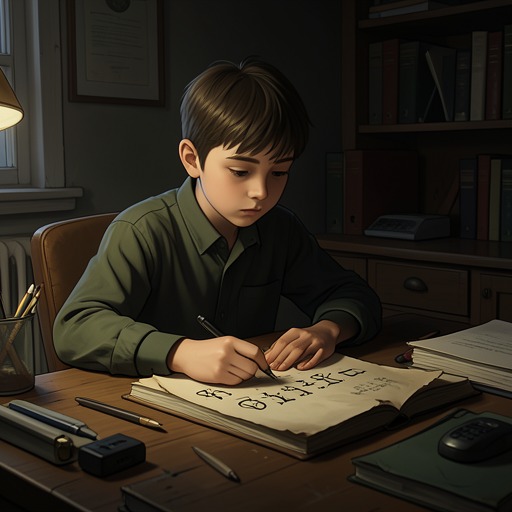
The notebook records two dreams occurring simultaneously, one above and one below. The image suggests not a single, orderly dream narrative but concurrent layers of experience; the passage offers no further explanation of what either dream contains. What it does make explicit is their cost: after what he experiences in the dream, Rong Jinzhen wakes weary and exhausted, as though the dream has reduced him to its residue. The phrasing gives dreaming a force that continues into waking, so that awakening does not immediately restore him.
That account of fatigue links the dream passages to the broader language of illness without making every sickness the same. Rong Jinzhen had earlier suffered renal failure severe enough to put his life at risk, and his recovery required prolonged hospitalization and carefully controlled salt intake. Later, in June 1966, he lost consciousness after breakfast and was admitted to a hospital attached to Unit 701; doctors identified a stomach problem as the cause of the fainting. These are separately described bodily episodes. The text does not establish that either caused the dream affliction, or that the dream passages describe either episode. Keeping them distinct avoids turning different forms of suffering into a single diagnosis.
Work, Memory, and the Limits of Relief
The relation between work and the past gives the affliction a recognizable pattern: when the mind is empty, memories can intrude, while work can help them recede. Yet work is described as a means of forgetting, not as a cure for the underlying condition. The distinction leaves relief provisional. The past may be held at a distance by activity, but the account does not say that it has been resolved or erased.
Taken together, these fragments make the dream affliction legible through recurrence and contradiction rather than through a clear medical explanation. Dreaming exhausts Rong Jinzhen; the past presses in during idle waking hours; the dream is also named as the place where medicine may be found. Even the paired appeals to wake and not wake remain unresolved. The condition’s significance lies in that unstable boundary: sleep does not guarantee rest, waking does not guarantee release, and the experience that harms him is also presented as the only possible site of relief.