Ezla River
DianaThe Ezla River is the defining watercourse of the opening pastoral landscape in The Seven Books of Diana. Flowing through the meadows near León, it gives the novel’s first scenes a precise geographical center: Sireno returns to its banks after his forced absence and finds the countryside inseparable from his memories of Diana. The river’s fertile setting promises pastoral ease, but its familiar landscape also sharpens the pain of love lost and time changed.
Setting and Landscape
The novel places Diana’s story in the fields around the ancient city of León, along the banks of the Ezla River. Its waters irrigate green and pleasant meadows, making the river part of a productive pastoral world rather than a remote or merely decorative landmark. The surrounding countryside supports the shepherds’ ordinary work as well as the leisure that gives them space for music, verse, and reflection.
That landscape is introduced through a contrast between rural life and the concerns of the court. Before love takes possession of his freedom, Sireno’s thoughts remain within the fields where he was raised and where he tends his flock. He spends his spare hours among the spring flowers, carrying a finely made rabel or playing a zampoña and composing verses. The Ezla’s meadows thus belong to a pastoral ideal of self-contained life, although the novel’s lovers cannot remain untouched by change and misfortune.
Sireno’s Return to the Riverbank
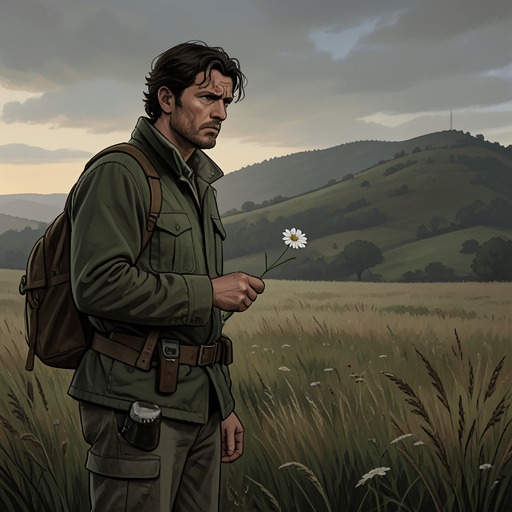
At the beginning of the narrative, Sireno descends from the mountains of León and reaches the pleasant meadows watered by the Ezla. He is already overwhelmed by the consequences of absence: Diana has married another, and the fears he once had of being forgotten have become fact. The river landscape he encounters is therefore not simply a refuge from sorrow. Its familiarity confronts him with the distance between his earlier happiness and his present condition.
As he looks across the bank, Sireno remembers the time when he grazed his flock there and felt master of his freedom. His return turns a known pastoral setting into a record of emotional change. The same meadows that once held his contentment now hold the knowledge that his beloved has forgotten him; the river continues to water the countryside while the human relationship associated with it has altered.
A Landscape of Memory
The Ezla’s banks also frame Sireno’s recollection of first seeing Diana. His memory fixes on the place where her beauty, grace, and honesty first impressed him, and on a clear spring encircled by tall green alders where she had pledged that no family pressure could separate her from her chosen love. He recalls her tears as witnesses to that promise. The spring and riverbank make remembered words concrete: the landscape preserves the scene even as the promise has failed.
Sireno’s response is expressed through the objects he carries as well as through the scenery. He takes from his breast a paper containing green silk cords and hair, keepsakes associated with the past, and places them on the grass. In this opening episode, the river country gathers the novel’s central contrast: natural continuity against the instability of love, memory, and fortune. Its pastoral calm does not cure Sireno’s grief; it gives that grief a remembered place.