« Vieux zèbre »
Dingo“Vieux zèbre” is Pierre Barque’s affectionate expression for a remarkably broad company of people, and, in its shorter form, a name he applies to himself and others. Its meaning in the novel comes less from a formal definition than from the occasions on which Barque uses it: as greeting, praise, self-encouragement, and a description of his own unembarrassed skill at making himself welcome. The phrase gathers his buoyant temperament and his practical approach to social life into one recurring joke.
Meaning and Range
The narrator explains that “vieux zèbre” is Barque’s familiar way of addressing friends, but that his circle of “zebras” extends well beyond intimates. The expression can include great painters, poets, and generals, as well as accommodating café waiters. That range is part of its comic force: Barque places figures of prestige beside people whose particular virtue is being obliging, as if all belong to one fellowship of lively, resourceful characters.
Barque also turns the word into a general label for the sort of person he admires—or claims to recognize—in others. When he meets someone he has selected as a promising acquaintance, he says he identifies that person as a zebra, then works to charm him with talk, songs, compliments, and the offer of a portrait. The expression thus carries more than warmth. It is bound up with Barque’s confidence that sociability can open doors and make unfamiliar households feel accessible to him.
Barque’s Motto in Adversity
The phrase’s most explicit statement of purpose comes after a year in which Barque loses his father, his mother, two sisters, a woman he loved, and an annuity of three thousand francs invested in a risky speculation. Rather than appearing crushed by these successive blows, he responds to each with still louder cheer. His exclamation, “Soyons un zèbre, nom d’un chien !”, turns the expression into a compact instruction to keep going: adversity is met not with solemnity but with renewed comic bravado.
That refrain fits Barque’s distinctive cordiality. The narrator describes his friendliness as absolute, a quality so inseparable from him that removing it would seem to remove his life as well. Barque is small and stout, frank and exuberant, and he sings continually. The expression gives this temperament a verbal emblem: to be a zebra, in Barque’s usage, is to remain expansive and companionable even when events provide ample cause for discouragement.
Art, Ambition, and Self-Presentation
Barque’s use of the phrase accompanies an account of his unexpected success as an artist. He proudly tells the narrator that he has received a third medal at the Salon, and the narrator answers with an enthusiastic repetition of the familiar expression. Barque is delighted; he taps the narrator’s knees to express his emotion. The exchange shows how the phrase works between them as a sign of recognition, carrying warmth where a more formal congratulation might have felt stiff.
Barque says that he paints flowers, animals, people, trees, and skies, and that his pictures sell as soon as they are finished. He makes light of comparisons with celebrated painters, while claiming that his work is at least as good as Jean Béraud’s. His specialty is a particular kind of hare still life: hares hanging by their hind legs from a nail against a towel background. He says he can produce ten in a day and sell each for two louis, concluding that such success makes a person a zebra in life. Here the expression links artistic achievement not to lofty ideas of genius but to the practical facts of production, sales, and making a living.
The Expression Applied to Dingo
Barque extends the label to Dingo, whom he calls beautiful and identifies as a zebra. He strokes the dog’s back and head, but Dingo receives the attention with striking indifference. That response contrasts with Dingo’s usual sharply expressed likes and dislikes: Barque’s friendly pats affect him no more than raindrops falling on a dog standing still in the rain. The mismatch makes the compliment gently comic. Barque’s expansive friendliness includes the dog, but it does not make Dingo reciprocate in kind.
Social Performance and Narrative Function
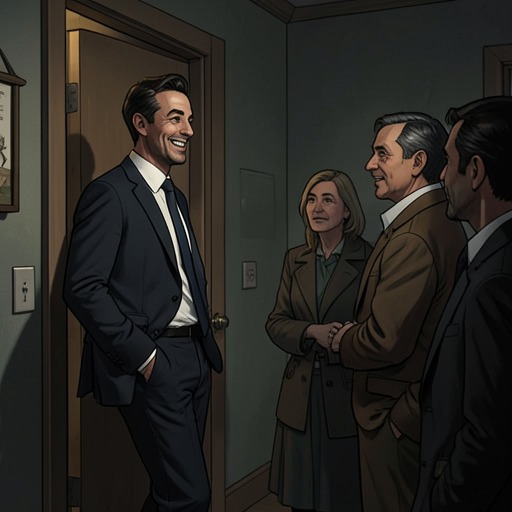
Barque describes his social method with the same confidence that animates the expression. He claims that a few minutes of looking at a person tell him whether that person is married or single, rich or poor, and what kind of household surrounds him. Once he has chosen someone, he uses conversation, songs, flattery, and the promise of a portrait to establish an intimate, welcome presence. He boasts that within the evening he may be staying in the person’s home and that, shortly afterward, he can feel at home there. The zebra, in this account, is not merely cheerful: the term also names a practised social adventurer who turns observation and charm into opportunity.
The phrase’s recurrence binds together Barque’s resilience, artistic self-presentation, and opportunistic ease without making them identical. At one moment it consoles him after loss; at another it celebrates a medal, a saleable picture, or a new acquaintance. Applied to Dingo, it becomes an affectionate joke that the dog does not answer. “Vieux zèbre” is therefore both Barque’s personal vocabulary of fellowship and a small portrait of how he moves through the world: with confidence, comic nerve, and a readiness to treat connection as something he can create.