Mrs. Martin
EmmaMrs. Martin is the mother of Robert Martin and his sisters, the matriarch of Abbey Mill Farm, and a shrewd, affectionate woman who actively promotes her son's marriage to Harriet Smith. Though she appears only through the reports of others, her influence is felt throughout the early plot, as she orchestrates the domestic comforts that first attract Harriet and later works to secure her son's happiness. She is a figure of practical, unsentimental kindness, whose actions reveal a clear understanding of her family's interests and a willingness to advance them with quiet determination.
Identity and Background
Mrs. Martin is the widow of a farmer and the mother of Robert Martin and his sisters, Elizabeth and another unnamed daughter. The family lives at Abbey Mill Farm, a prosperous tenant farm on Mr. Knightley's estate in the parish of Donwell. She has been a widow for some time, and her household includes her son, her daughters, and an upper maid who has lived with her for five-and-twenty years. The farm is well-stocked, with eight cows, including two Alderneys and a little Welch cow, and a handsome summer-house in the garden large enough to hold a dozen people. Mrs. Martin has managed the household with evident competence, and her son, Robert, is a sensible, hardworking young farmer who is deeply attached to his family.
Role in Harriet Smith's Life
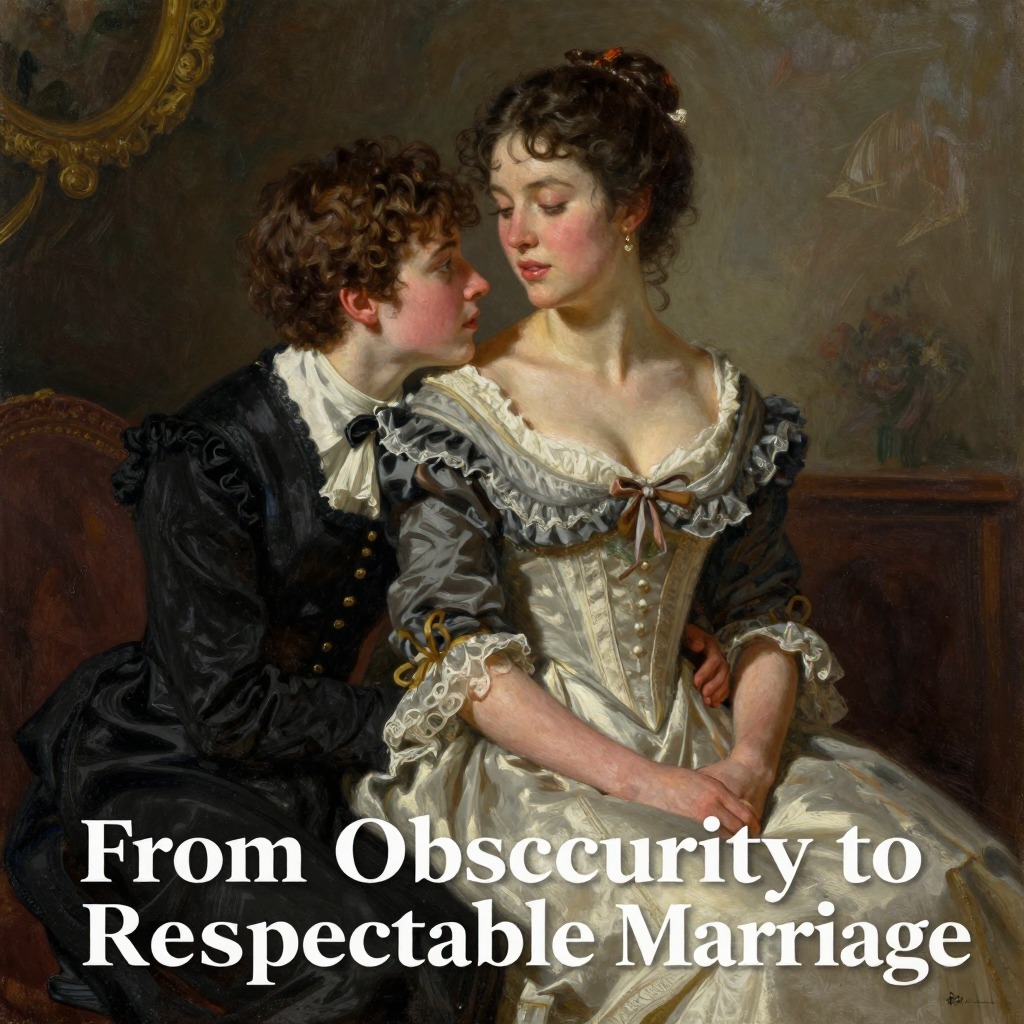
Mrs. Martin is the driving force behind the initial hospitality that draws Harriet Smith into the Martin family circle. When Harriet visits Abbey Mill Farm for two months, Mrs. Martin treats her with great kindness, showing her the farm's comforts and making her feel at home. She speaks warmly of her son, telling Harriet that "it was impossible for any body to be a better son, and therefore she was sure, whenever he married, he would make a good husband." This remark, delivered with a blush, is a calculated piece of matchmaking, designed to plant the idea of Robert as a desirable husband in Harriet's mind. Mrs. Martin also sends a beautiful goose to Mrs. Goddard as a gift after Harriet's visit, a gesture that maintains goodwill and keeps the connection alive. When Robert Martin proposes to Harriet and is refused, Mrs. Martin does not give up. She continues to welcome Harriet, and when Harriet later returns to the farm for a brief visit, Mrs. Martin's manner warms, and she remarks that Harriet has grown, a comment that reopens the possibility of a renewed attachment.
Relationship with Robert Martin
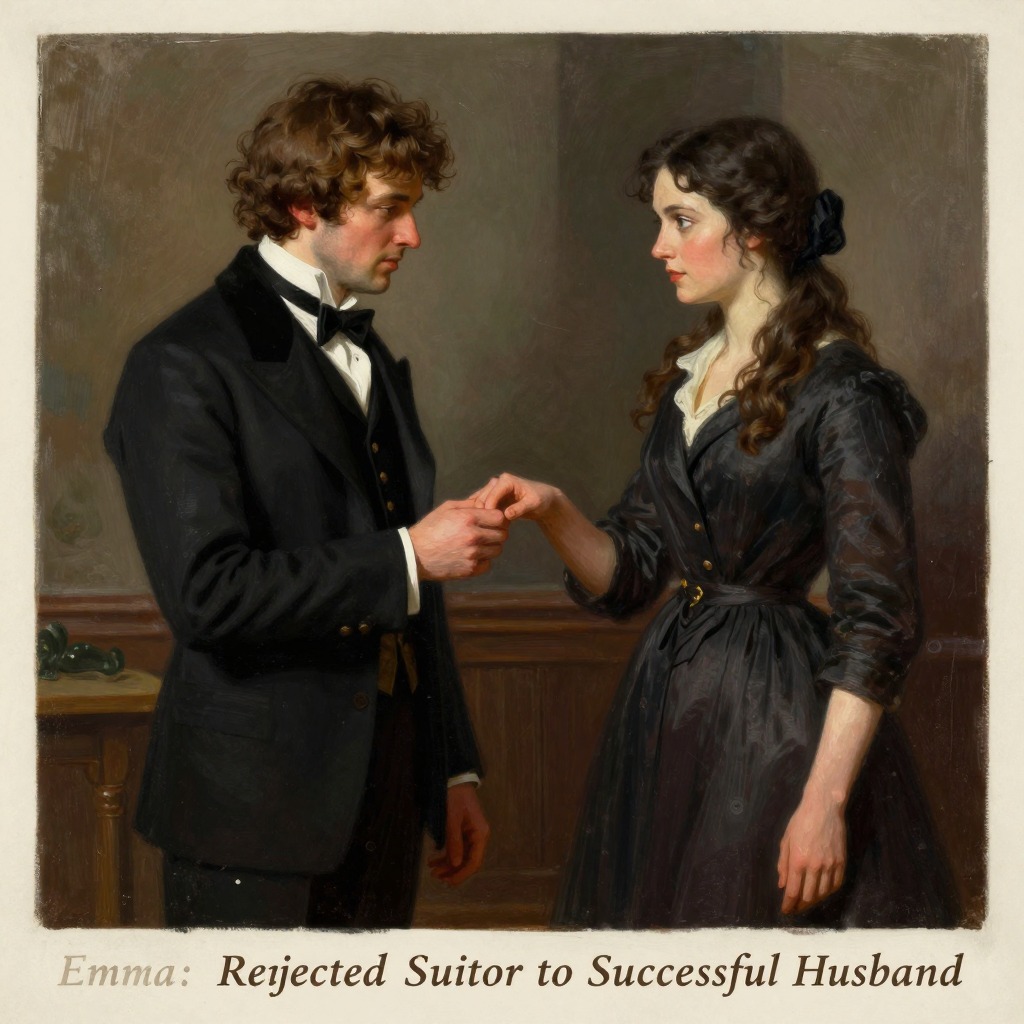
Mrs. Martin is a devoted and supportive mother to her son. She is proud of his character and his prospects, and she actively encourages his suit for Harriet. When Robert Martin decides to propose, he consults Mr. Knightley, but it is clear that his mother's approval and encouragement have been a significant factor in his decision. Mrs. Martin's influence is subtle but effective; she creates the domestic environment that makes the farm attractive to Harriet, and she speaks of her son in terms that emphasize his worth as a husband. After the initial refusal, she does not resent Harriet but instead maintains a patient, hopeful attitude, trusting that time and her son's persistence will prevail. Her faith in Robert is rewarded when he eventually wins Harriet's hand.
Thematic Significance
Mrs. Martin represents the values of domestic stability, practical affection, and quiet perseverance that contrast with the more glamorous but often hollow attractions of Highbury's social elite. She is a figure of genuine, unpretentious goodness, whose actions are motivated by love for her family and a clear-eyed understanding of what will make them happy. Her success in securing Harriet for her son is a vindication of these values, and it underscores the novel's theme that true happiness lies not in social climbing but in the steady, affectionate bonds of family and home. Mrs. Martin's quiet competence and her ability to work within her sphere to achieve her goals make her a quietly powerful presence in the novel, a counterpoint to Emma's more flamboyant and often misguided attempts at matchmaking.