Allegory of a Conflagration in a Bookshop
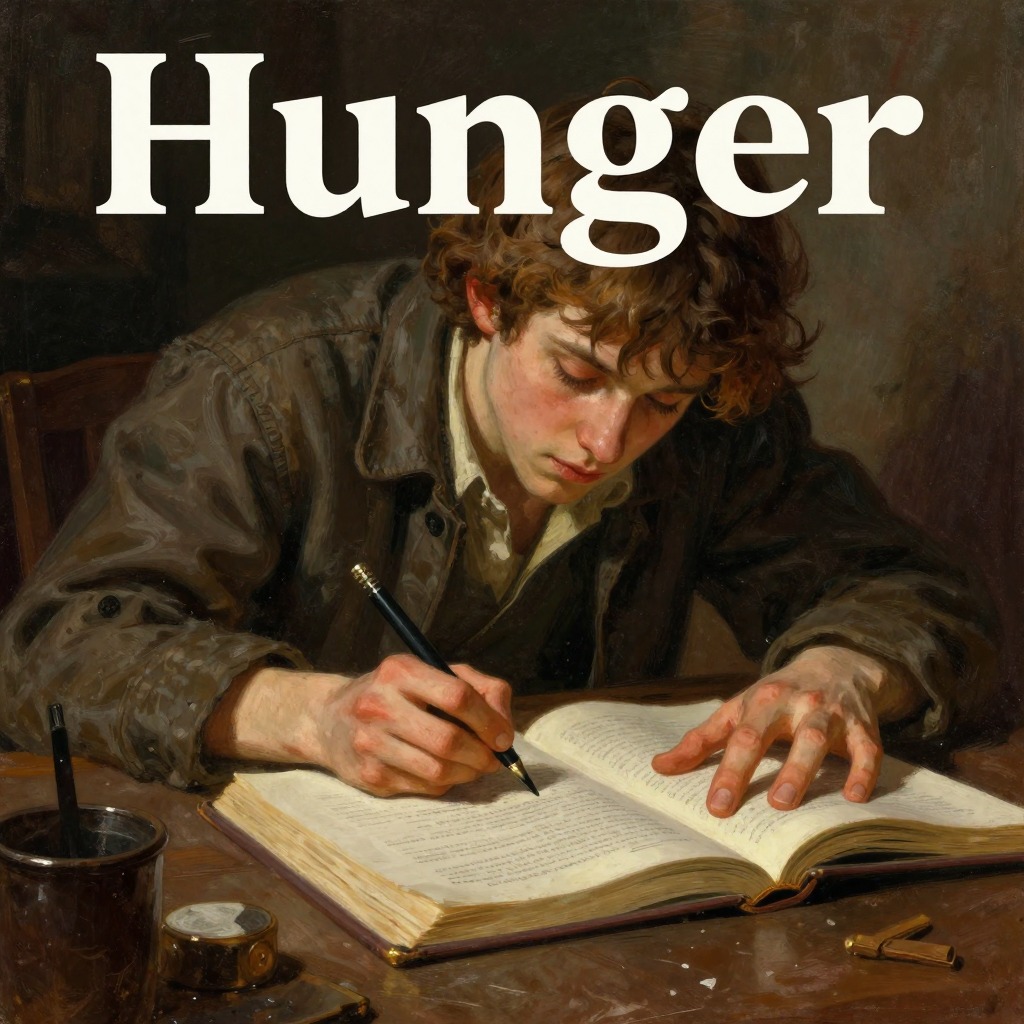
HungerThe Allegory of a Conflagration in a Bookshop is the last major literary project the unnamed narrator undertakes in Knut Hamsun's Hunger. It is an allegorical piece about a fire in a bookshop, which the narrator intends to develop into a profound meditation on the destruction not of books but of human brains. The work is never completed, and its failure marks the protagonist's final surrender to the forces of starvation and madness, leading directly to his decision to leave Christiania by signing onto a ship.
Conception and Ambition
The narrator begins the allegory during his stay at a lodging house in Vaterland, where he has been living on credit. He expects great things from it, planning to bring it to the "Commandor" in payment for the editor's earlier kindness and to prove that the editor had helped a genuine talent. The narrator is buoyed by the hope that the spirit will move him, allowing him to finish the piece quickly. He describes the work as a "profound thought" and believes that once completed, it will astonish the editor. The allegory is conceived as a way to settle his debts and restore his standing, both financially and artistically.
The Central Metaphor: Brains on Fire
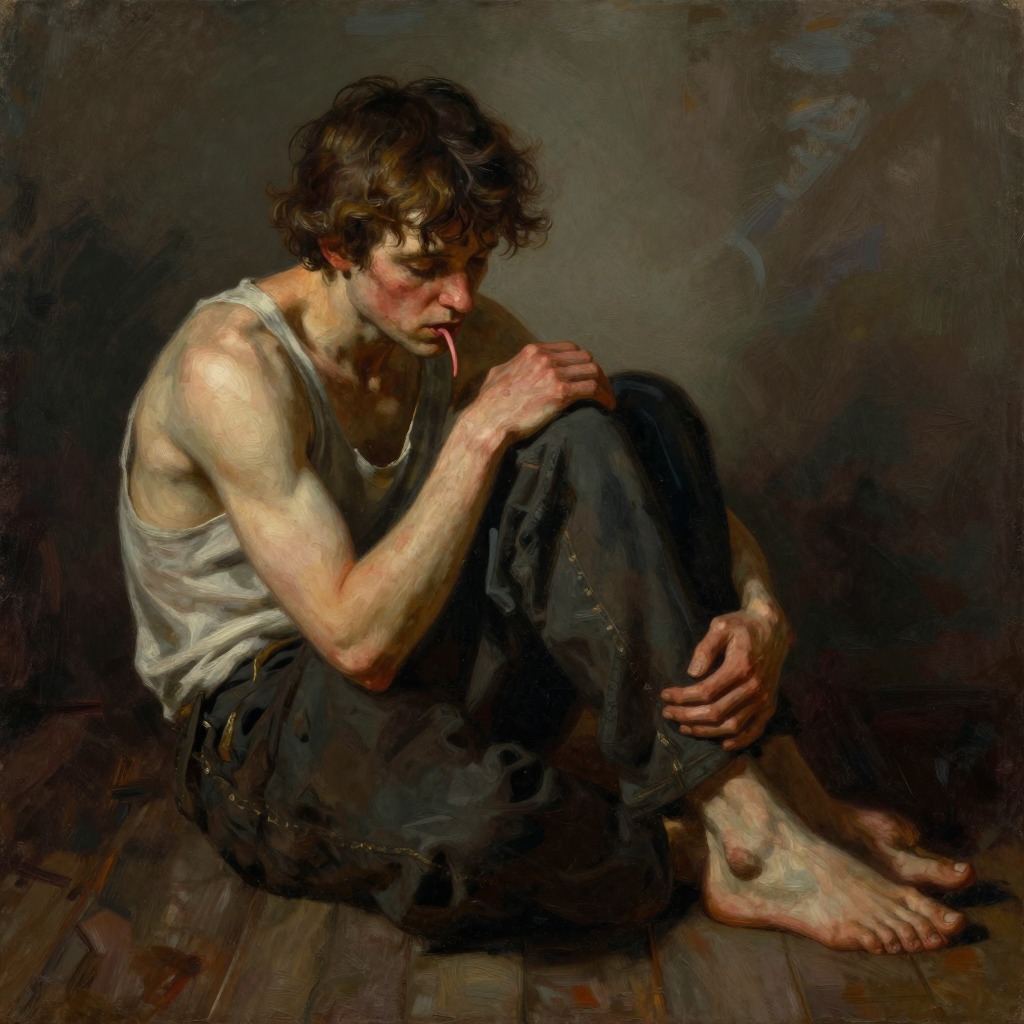
The core of the allegory is a striking and macabre metaphor. The narrator explains that it is not books that are burning in the conflagration, but human brains. He intends to make a "perfect Bartholomew's night of these burning brains," transforming a literal fire into a symbolic destruction of intellect and consciousness. This metaphor directly reflects the narrator's own experience of mental deterioration under the pressure of starvation. His brain, he has felt, is hollowed out, and his thoughts have become fragmented and uncontrollable. The allegory thus becomes a self-reflexive commentary on his own condition, a work about the very mental collapse that prevents him from writing it.
The Struggle to Write and the Final Collapse
The narrator's attempts to complete the allegory are repeatedly thwarted by his physical and mental state. He works on it in the family room of the lodging house, surrounded by noise and hostility, and later in his former room after the new lodger has left. He experiences moments of intense, feverish inspiration, writing "retort upon retort" and chuckling in ecstasy, but these are always interrupted. The final interruption comes when the landlady discovers him in the room and throws him out. After this, he sits on a step and tries to finish the last scenes, but his mind fails him completely. He writes down everything that strikes him, but the words lack the proper "local colour" of the Middle Ages. In a fit of despair, he tears the manuscript in two, tears each page in two, and tramples on his hat. This act of destruction is the climax of his creative impotence. The allegory, which was to be his salvation, becomes the symbol of his utter defeat, and he immediately afterward signs on to the barque Copégoro, leaving the city and his literary ambitions behind.