Lemminkainen's Home Island
KalevalaLemminkainen's Home Island is the landscape of Lemminkainen's family life and the point of departure and return in his story. The island's remembered home—his father's cottage and his mother's dwelling—gives his wanderings a specific domestic center; when he comes back, that home has been altered, and the contrast turns the landscape into evidence of loss.
Setting and remembered home
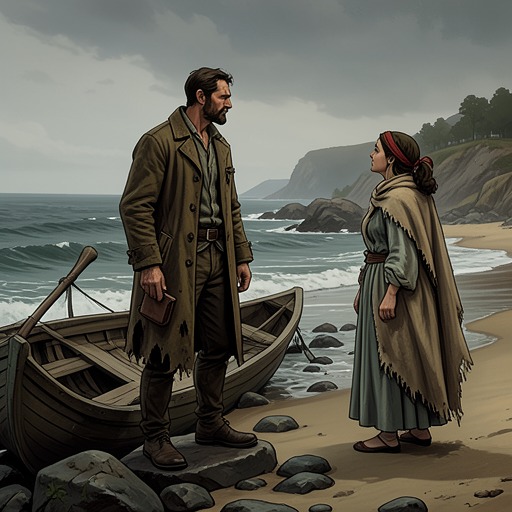
The island is described through its varied ground: pine trees stand on the hilltops, while willows grow in the lowlands. Lemminkainen remembers playing and wandering in a glen and rocking on its stones. These details make the island more than a way-point in his travels: they establish it as a place known through childhood and familiar movement.
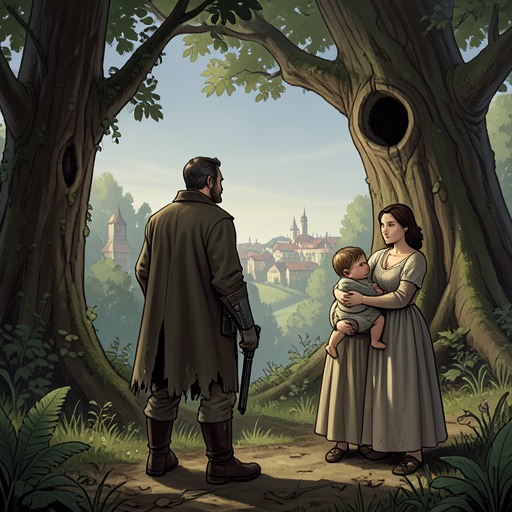
That familiarity is sharpened by the homestead's remains. On returning, Lemminkainen sees neither his father's cottage nor the dwellings of his mother. Where a mansion once stood, shrubs have grown, with junipers in the courtyard. The landscape persists, but the signs of family residence have disappeared; the island's natural features frame, rather than erase, that absence.
Departure and danger
The island is also a place from which Lemminkainen is repeatedly urged to stay away from danger. His aged mother seeks again to restrain him, addressing him as her beloved son as he insists that Pohyola needs his presence. Her appeal makes the island a point of tension between family attachment and his decision to leave.
Another departure passage calls the island dwelling pleasant and describes Lemminkainen leaving a home of long standing. At the same time, men are sharpening broadswords, spears, and lances for his death. The juxtaposition sets the calm language of home against an immediate threat of violence. The island's domestic safety is therefore precarious: departure means entering danger, while remaining there cannot finally secure him from conflict.
Return and narrative significance
The return brings recognition before reassurance. Lemminkainen identifies the glen and stones from his youth, but cannot find the cottages and dwellings that once made the place home. He then finds his mother inside a dwelling built between rocky ledges and amid three pine trees; she is gray-haired and weeping. Her presence provides a surviving bond to the island's past, even as the vanished homestead marks how much has changed.
Across these scenes, the island holds together Lemminkainen's youthful memories, his mother's efforts to protect him, the danger surrounding his departures, and the altered home he encounters on return. Its significance rests in that contrast: familiar ground remains recognizable, but the household that gave it meaning is damaged or absent.