A Field Guide to Magical Women: A Mythical Ethnography
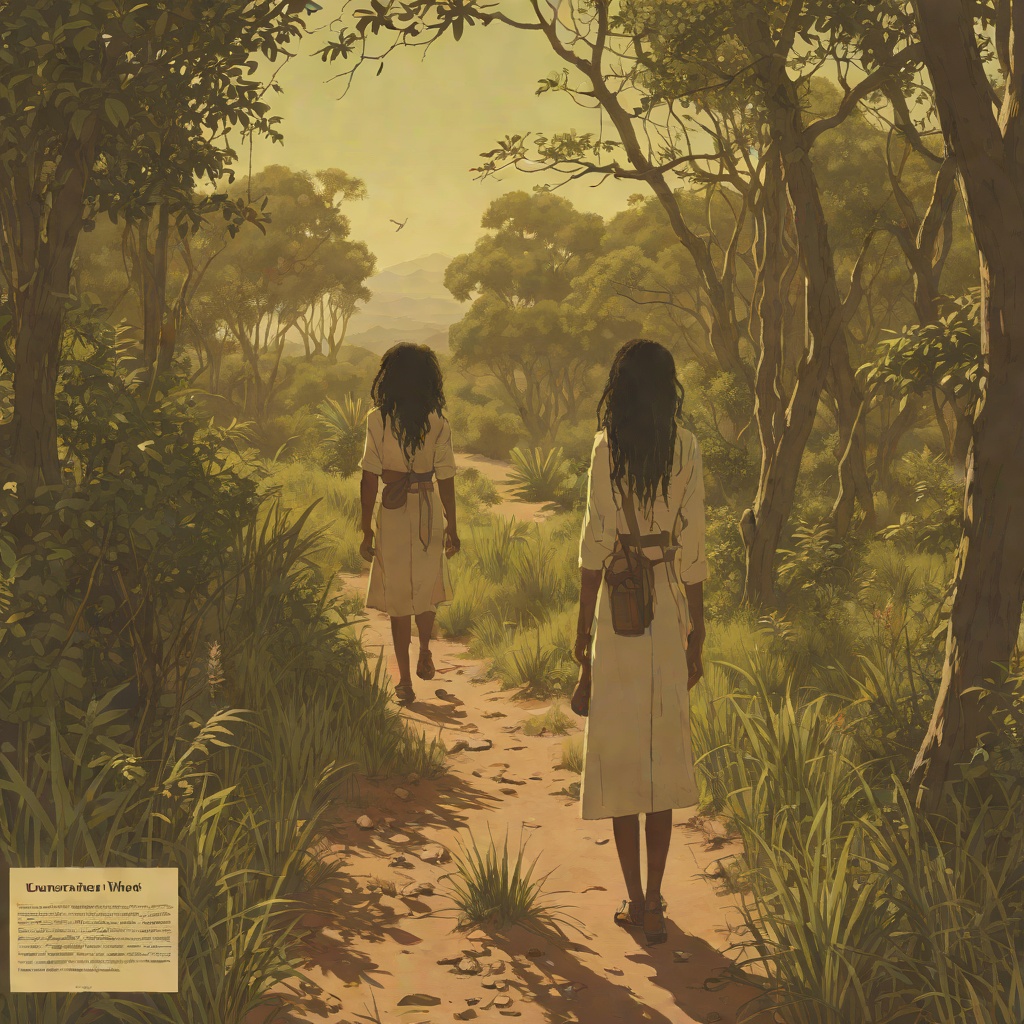
NightbitchA Field Guide to Magical Women: A Mythical Ethnography is the strange, out-of-print 1978 volume that becomes the intellectual and spiritual cornerstone of Nightbitch's transformation. Written by the mysterious Wanda White, the book presents itself as a work of mythical ethnography, the culmination of a research expedition that took its author to all seven continents and spanned her entire professional career. In its foreword, White explains that she went "in search of mythical women" and that, despite colleagues claiming mythical ethnography "isn't a viable field of study," she presents "irrevocable data that counter their claims." The book promises that by understanding these creatures' "habits, diets, and patterns," readers too will be able to "encounter them in the wild and experience their magic firsthand." White declares herself "interested in the ways in which womanhood manifests on a mythical level," particularly drawn to "the experience of motherhood and how this complicates, deepens, or denies womanhood." For Nightbitch, this tome is not merely a book but an entity unto itself that speaks to her specifically, opening to relevant passages as if in response to her unspoken questions.
Discovery and Physical Character
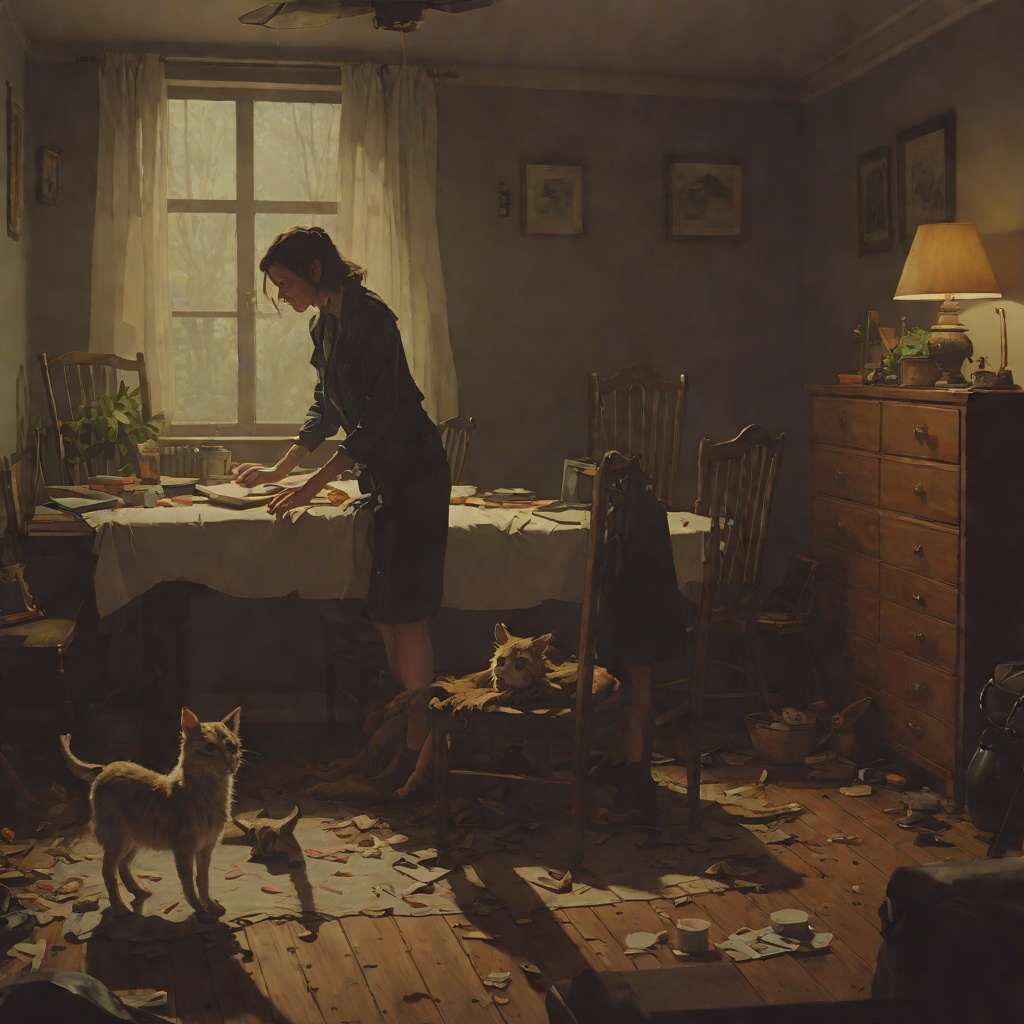
Nightbitch first encounters the Field Guide during her desperate search for a cure to her increasingly undeniable canine transformation. After finding a dense patch of coarse black hair sprouting from the base of her neck and noticing her canines looking sharper in the mirror, she turns to the library for answers. She collects a tote bag of books, including a medical text that proves too cerebral, too long, and too small in font, and the second book, A Field Guide to Magical Women, with its publication date of 1978. The cover features fantastical creatures rendered in a style she associates with the 1970s, Nancy Drew, and B-movies, full of shadows and inky renderings with blurred edges. She checks the spine to confirm it is nonfiction, which seems curious, before opening to the first pages. The book becomes her constant companion, kept on her nightstand and carried in her bag to the park, where she allows it to spill open wherever it might, feeling called to take up with whatever she finds there.
The Domestic Varietals and Their Significance
The Field Guide's most resonant section for Nightbitch is the "Domestic Varietals" portion, which becomes her favorite. In its pages she finds women she used to know or could imagine one day befriending. She reads about the Blues, a lovely varietal born close to water, known for striking and vivid eye color ranging from silvering indigo to deep and meditative navy, prone to song and apt to take up the mandolin or ukulele. The Blue is deeply spiritual though not eager to join organized religion, draws to herself an eclectic circle of artists, musicians, recovering addicts, fallen capitalists, the elderly, the poor, the romantics, and seekers of all sorts, and is most easily identified by her ability to sync all other women around her to her own monthly cycle. The book also catalogs the Slaythe, a modern creature drawn to career, success, financial earning, and power, whose slicing look can leave one incapacitated for days and whose sharp word inspires profound and crushing doubt of all life decisions. White speculates that the Slaythe may edge into actual corporeal sharpness, her face narrowing to a point, perhaps magic or perhaps aging. These entries give Nightbitch a taxonomy for the women around her and for herself, a way of understanding female power as something ancient, varied, and legitimate.
The Book's Role in Nightbitch's Transformation
As Nightbitch's transformation intensifies, the Field Guide becomes her guide through the moral and existential questions her new life raises. After the gruesome killing of the family cat, she cannot sleep and opens the book to find Wanda discussing predatory women, those "truly rare breeds" who, though terrifying, "would never injure their own young, even to their own detriment." White offers the example of the highly poisonous Apothecarian tribe, who on the brink of starvation in the mid-seventeenth century ensured their young were not only fed but fattened while all the matured adults died off one by one. White also describes the WereMothers of Siberia, a particularly evasive and regal species that appears to be self-fertilizing, with no empirical confirmation of males existing at all. These passages bring Nightbitch profound relief, blessing her ferocity as compatible with maternal devotion. Yet her faith in the book wavers. During a deep-cleaning of the bedroom, she finds the Field Guide at the bottom of a stack of the boy's bedtime books and questions whether it can be trusted, whether it is really an original source, whether she can attribute scientific authority to an expert in mythical ethnography, and why Wanda has ignored her e-mails. She concludes that her answers will not reside in the land of logic, doctors, prescriptions, and peer-reviewed journals, but in the land of the backward sun, the land of counterclockwise rotation, populated only by artists and fortune-tellers and people on stilts. And so she resolves to read Magical Women and take it to heart, because there is very little else her heart can handle.
Wanda White and the Book's Legacy
The Field Guide's author proves as elusive as the creatures she catalogs. At the dog park, Nightbitch spots a lone figure at the farthest reach, standing quite still with a notebook in hand, watching the scene unfold. It is Wanda, exactly as Nightbitch imagined her, slim and lithe with a cloak of silver hair, wearing a smart shirtdress and sensible shoes and a straw hat. Nightbitch walks toward her, overcome with pure jubilation, running with arms outstretched, certain it is her. Yet the novel ultimately reveals that "Wanda White is not a person. Wanda White is a place at which a person finally arrives." The book's legacy extends far beyond Nightbitch's personal journey. After her final stage performance, sales of the once-out-of-print A Field Guide to Magical Women skyrocket, though no one can track down Wanda White. When researched by reporters, the University of Sacramento proves to be a short-lived institution no longer in operation, and White herself exists only as an online profile at a defunct school. The Field Guide thus becomes both a genuine source of ancient female knowledge and a constructed myth, a text whose authority derives not from institutional validation but from the truth it speaks to those who need it. It is the vessel through which Nightbitch learns that the unbelievable is another way of knowing, and that the answers to her questions reside not in the land of logic but in the land of artists, fortune-tellers, and people on stilts.