Saro University Observatory
NightfallThe Saro University Observatory, a majestic domed building rising above the forested slopes of Observatory Mount in Saro City, is the epicenter of the novel's scientific and dramatic action. It is the workplace of the astronomer Beenay 25, the domain of the formidable director Athor 77, and the place where the Theory of Universal Gravitation is both challenged and ultimately preserved. The Observatory is not merely a setting but an active character: a sanctuary of reason, a fortress under siege, and finally a ruin that marks the end of an era.
Identity and Setting
The Observatory is a grand structure, its great dome glinting brilliantly in the light of the planet's multiple suns. Inside, it houses a large telescope, a solarscope, computers, and a Chart Room, all dedicated to the study of the heavens. The building itself is described as a "sanctuary" for Beenay, a place where he can leave the world's problems behind and devote himself to the "everlasting struggle to answer the great questions that the universe posed." Its halls are lined with display cases holding sacred artifacts of astronomical history, including the manuscripts of Athor's Theory of Universal Gravitation, which Beenay regards with reverence. The Observatory is also a place of intense internal politics, where the pettiest of feuds coexist with the loftiest philosophical disputes.
The Discovery of the Eclipse and the Role of Science
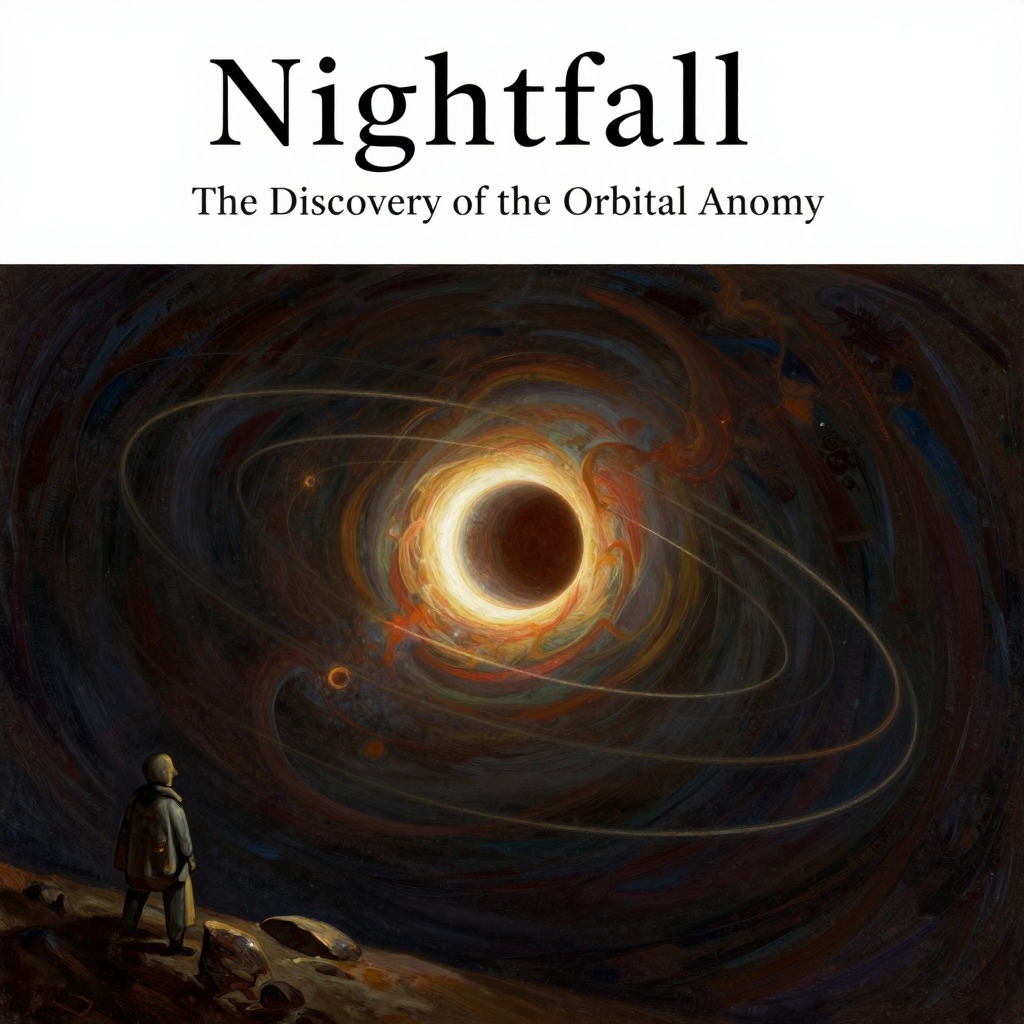
The Observatory is the crucible where the world-changing discovery of the impending eclipse is made. Beenay, using the university's new computer, uncovers an anomaly in Kalgash's orbit that contradicts Athor's Theory of Universal Gravitation. This discovery, which threatens to overthrow the foundation of their science, is brought to Athor in his office. Instead of rejecting the finding, Athor uses the principle of Thargola's Sword to postulate the existence of an invisible satellite, Kalgash Two, which perturbs the planet's orbit. It is within the Observatory's walls that Athor, working for sixteen-hour days, finally proves his theory, and where Beenay and the graduate student Faro 24 independently calculate that the eclipse will occur once every 2,049 years, on the 19th of Theptar. The Observatory thus becomes the source of the prophecy that the world is about to end.
The Observatory as a Fortress and a Target
As the predicted date approaches, the Observatory becomes a fortress of last resort. Athor and his staff prepare to document the eclipse, while the rest of the world, including the government and the public, largely dismisses their warnings, a skepticism fueled by the mocking columns of the journalist Theremon 762. On the evening of the 19th of Theptar, the Observatory is sealed, with only essential personnel present. The building's design, with its thick stone walls and iron-barred windows, is intended to withstand the chaos they expect. However, it is also a target. The Apostle Folimun 66 infiltrates the building, threatening that an "Army of Holiness" will attack unless the scientists destroy their work. The Observatory becomes a stage for a final ideological battle between science and religious fanaticism.
The Night of Nightfall and the Observatory's Destruction
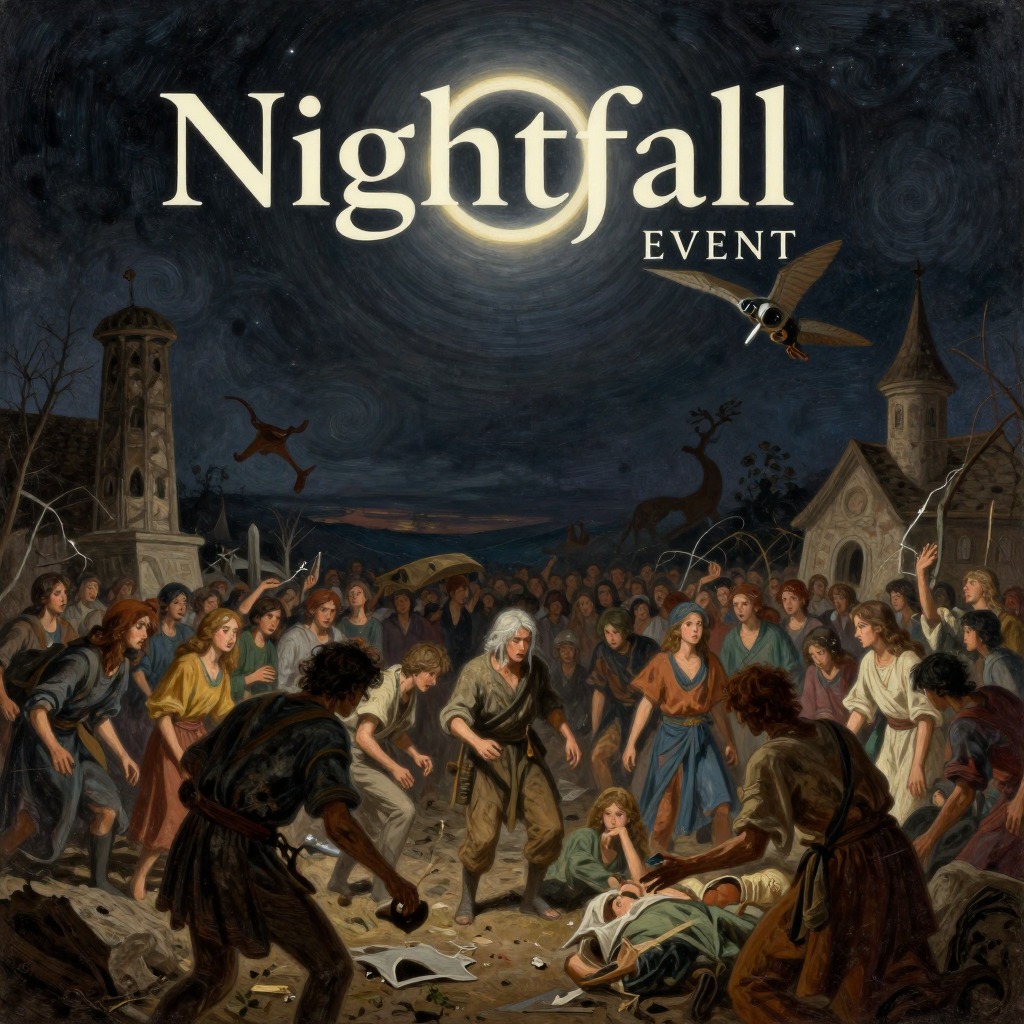
The climax of the novel occurs within the Observatory. As the eclipse begins, the astronomers rush to their tasks, using the solarscope and cameras to record the event. The power fails, and they are forced to light torches, a primitive act that foreshadows the coming conflagration. When the Stars appear, their terrifying light drives nearly everyone insane. The mob from Saro City, whipped into a frenzy by the Apostles, storms the building. The Observatory is overrun; its priceless equipment is smashed, its cameras destroyed, and its director, Athor 77, is killed, disappearing beneath a swarm of rioters. The building itself is set on fire, though its stone walls and sprinkler system prevent its total destruction. The Observatory, once a symbol of human reason, is reduced to a charnel house of the dead and the mad.
Aftermath and Thematic Significance
In the days following Nightfall, the Observatory stands as a gutted ruin. Sheerin 501, who hid in the basement, emerges to find the great hall filled with corpses and the insane. The building is later taken over by the Fire Patrol, a vigilante group led by Altinol 111, who use it as their headquarters. The destruction of the Observatory is a powerful symbol of the collapse of civilization. It represents the failure of rational, scientific thought to prepare the world for a cataclysm that was both predictable and predicted. The Observatory's fall is not just a physical event but a profound thematic statement: in the face of overwhelming, irrational terror, the institutions of science and reason are fragile and can be shattered in a single night. The building's ultimate fate—becoming a base for a new, authoritarian order—underscores the novel's bleak conclusion that the path to rebuilding may require a compromise with the very forces of unreason that destroyed it.