
The Conflict of Loneliness: Yearning for Connection
Of Mice and MenTraces the pervasive loneliness of the characters and their desperate attempts to connect with one another, which often fail or lead to tragedy.
increasing Bearing strength in each event
 decreasing
Bearing strength in each eventdecreasingThe Loneliness of the Itinerant Worker
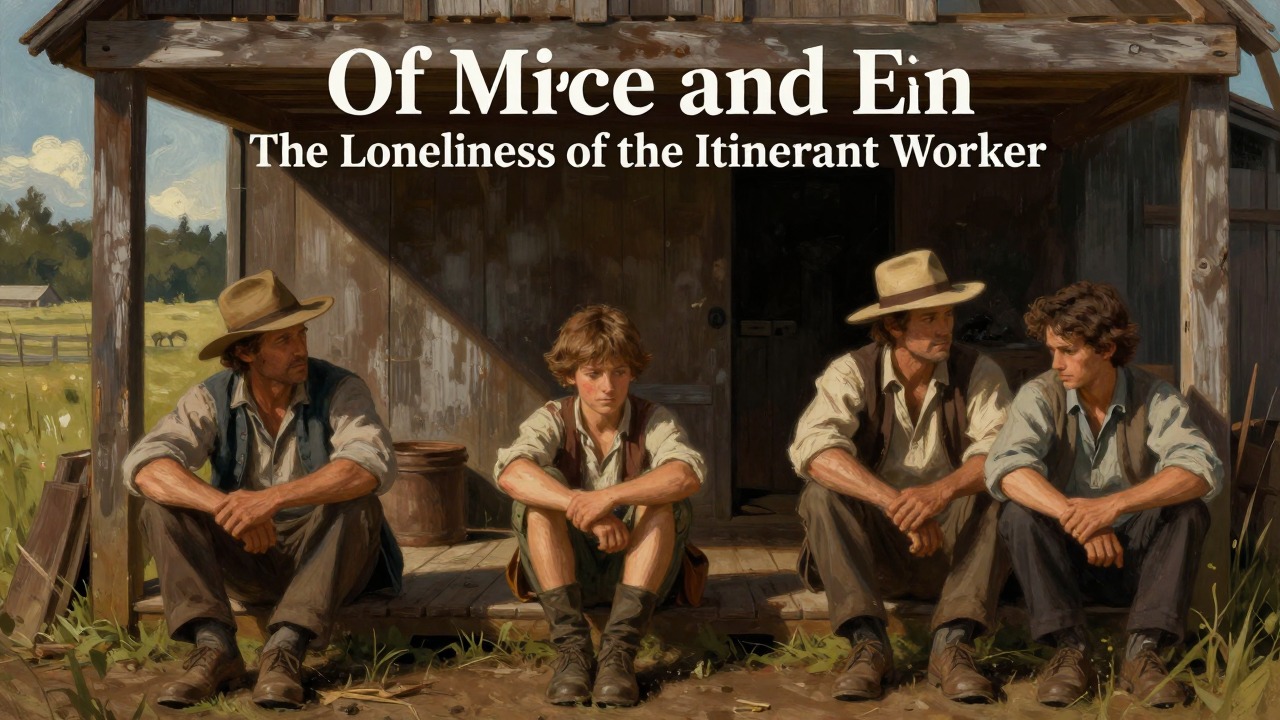
The Isolated Life
The Nature of the Work
The itinerant workers on the ranch are isolated. They move from place to place, never forming lasting bonds. They have no families, no homes. The bunkhouse is a temporary shelter, not a home.
The Characters' Loneliness
Each character is lonely in their own way. George is lonely despite having Lennie, because he cannot have a normal life. Candy is lonely because he is old and his dog is his only friend. Crooks is lonely because of his race. Curley's wife is lonely because she is trapped in a bad marriage.
The Attempts to Connect
The characters try to connect through conversation, the dream, and touch. But these attempts are often thwarted by fear, prejudice, or violence. The conflict is between the desire for connection and the barriers that prevent it.
The Failed Connections
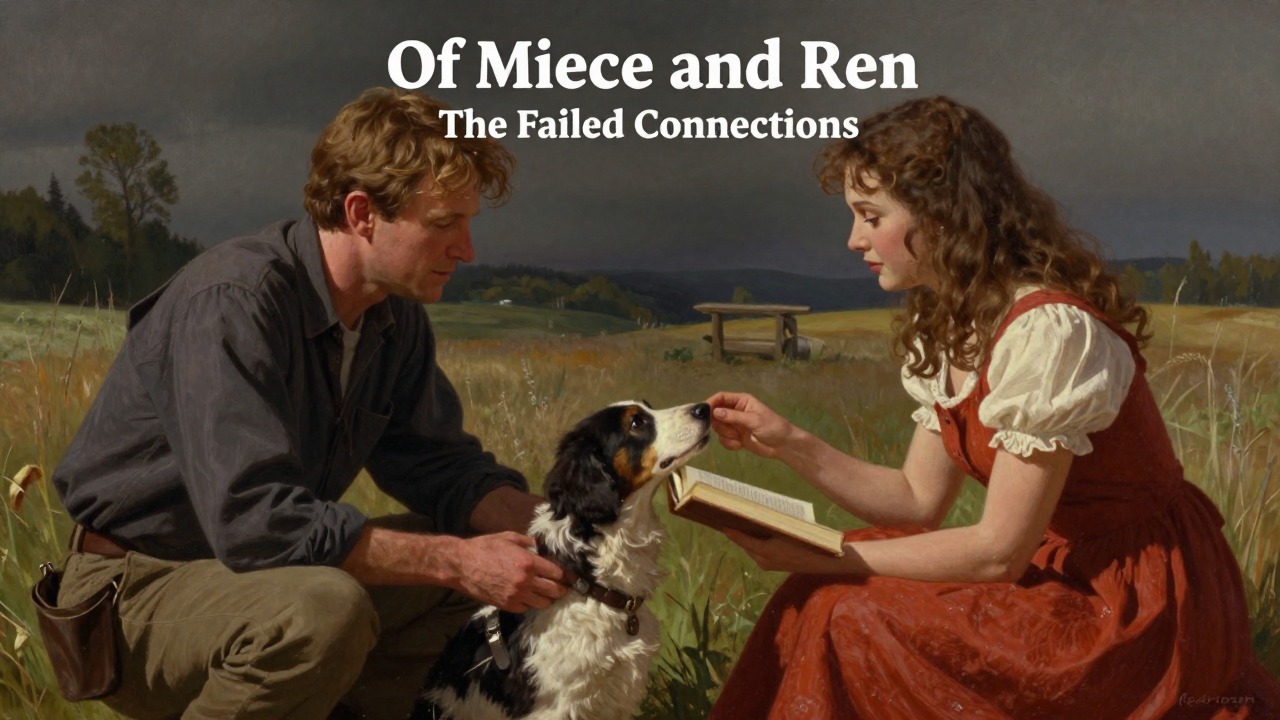
The Barriers to Friendship
The Dream as a Connection
The dream of the farm briefly connects George, Lennie, Candy, and even Crooks. It is a shared vision that breaks down the barriers of age, race, and status. But it is fragile.
The Threat of Curley's Wife
Curley's wife attempts to connect with the men, but she is seen as a threat. Her attempts are met with suspicion and rejection. She is lonely, but her loneliness only isolates her further.
The Failure of Touch
Lennie's desire to touch soft things is a desire for connection, but it leads to death. The touch of hair is a moment of intimacy that turns into violence. The novel suggests that connection is dangerous.
The Final Isolation
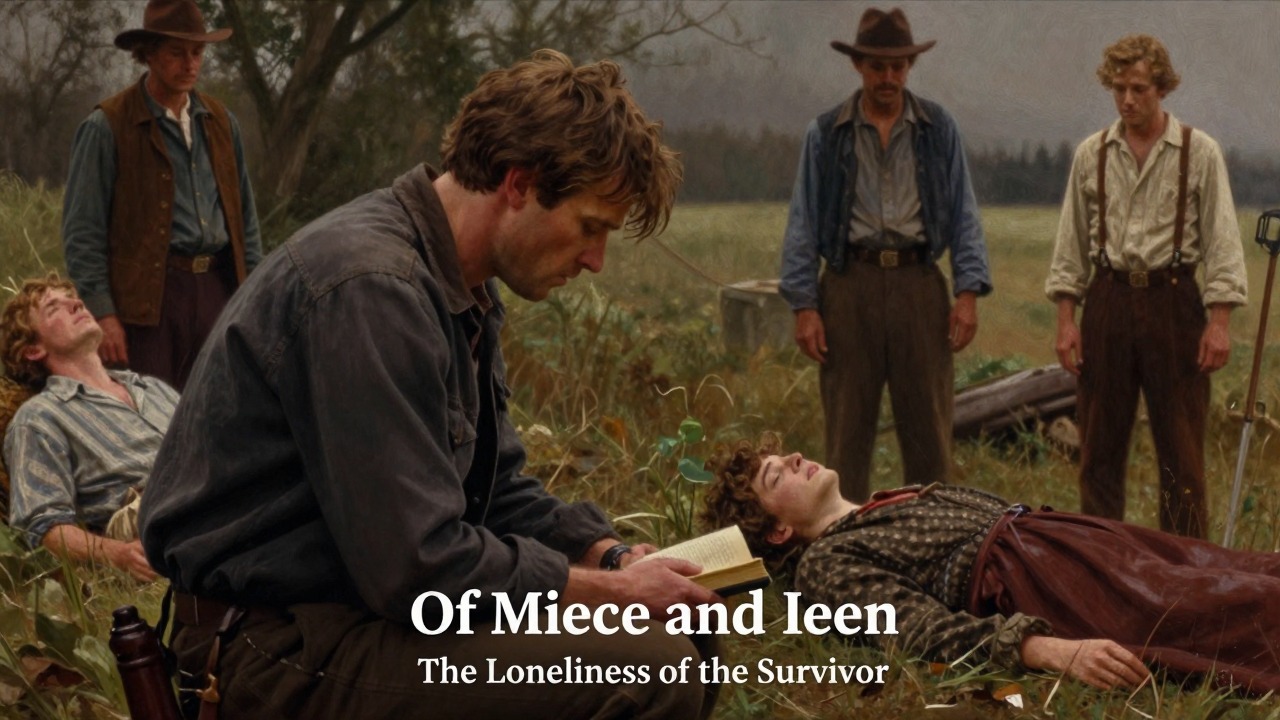
The Loneliness of the Survivor
George's Loneliness
After killing Lennie, George is alone. The one person who understood him is gone. He is left with the other men, who do not comprehend his grief. He is the loneliest of all.
The Others' Isolation
Curley is alone with his wife dead. Candy is alone without his dog or his dream. Crooks is alone in his harness room. The deaths do not bring them together; they reinforce their isolation.
The Pervasive Theme
The novel ends on a note of profound loneliness. The conflict between the desire for connection and the reality of isolation is never resolved. The characters remain trapped in their separate worlds.
The beginning of the novel
The first two days at the ranch
The end of the novel
