StoryFlow
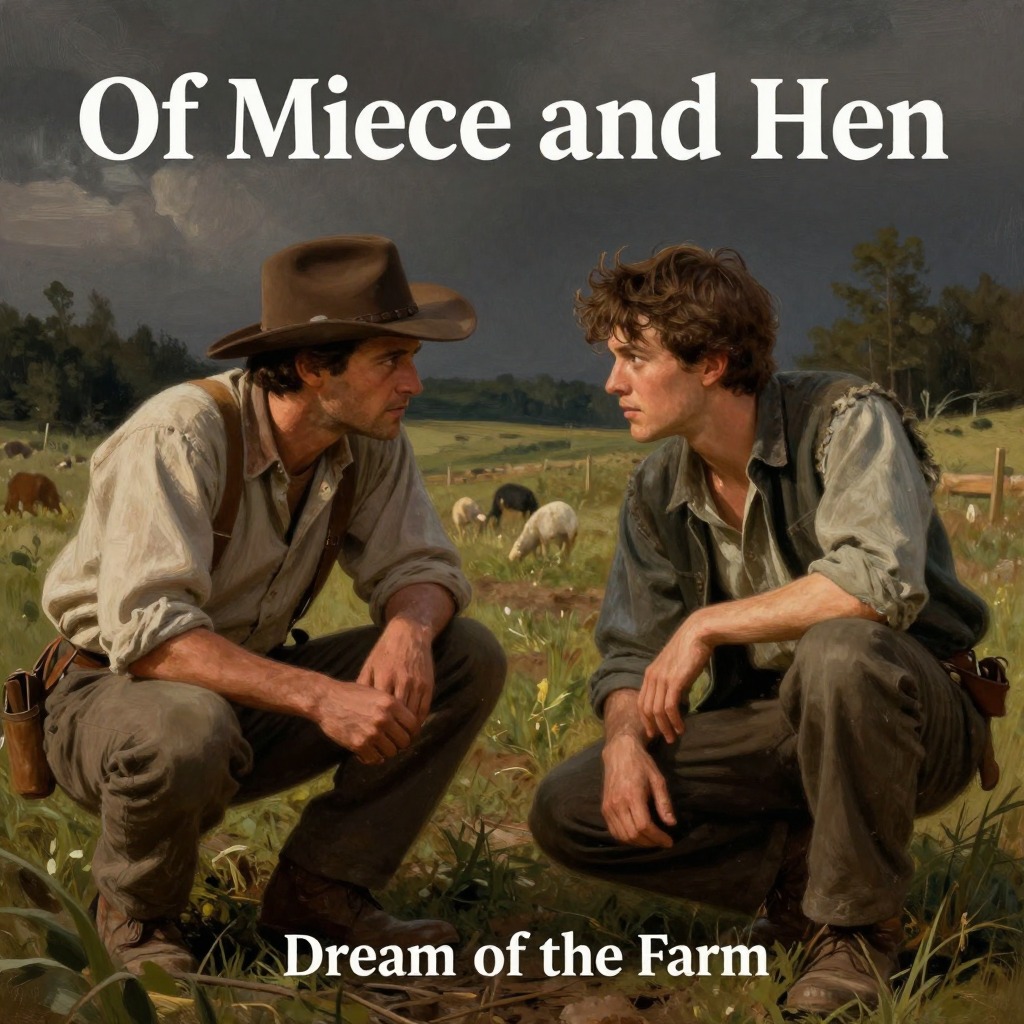
George and Lennie's Dream of the Farm
Traces the evolution of the shared dream of owning a small farm, which sustains hope and defines the relationship between George and Lennie throughout the novel.
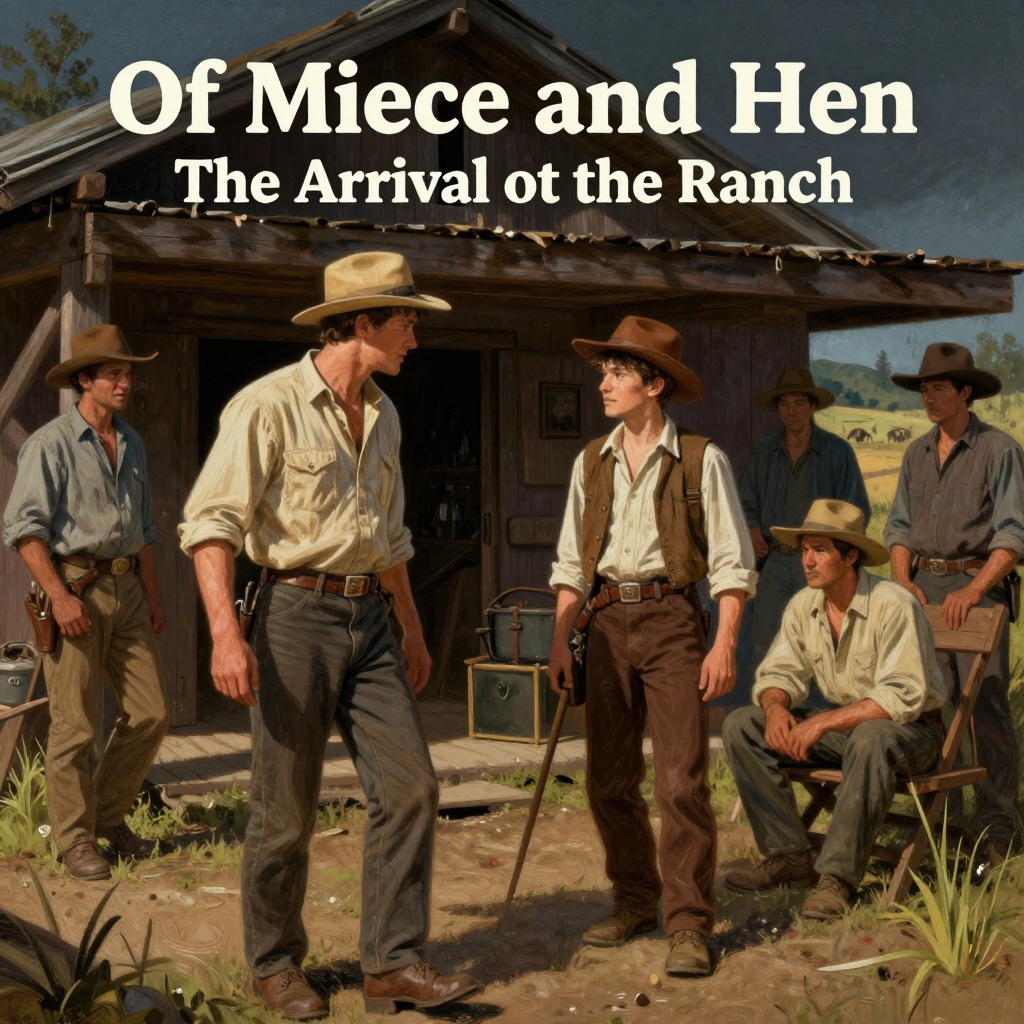
The Arrival at the Ranch
Follows George and Lennie's arrival at the ranch in Soledad, their introduction to the bunkhouse, and their first encounters with the other workers.
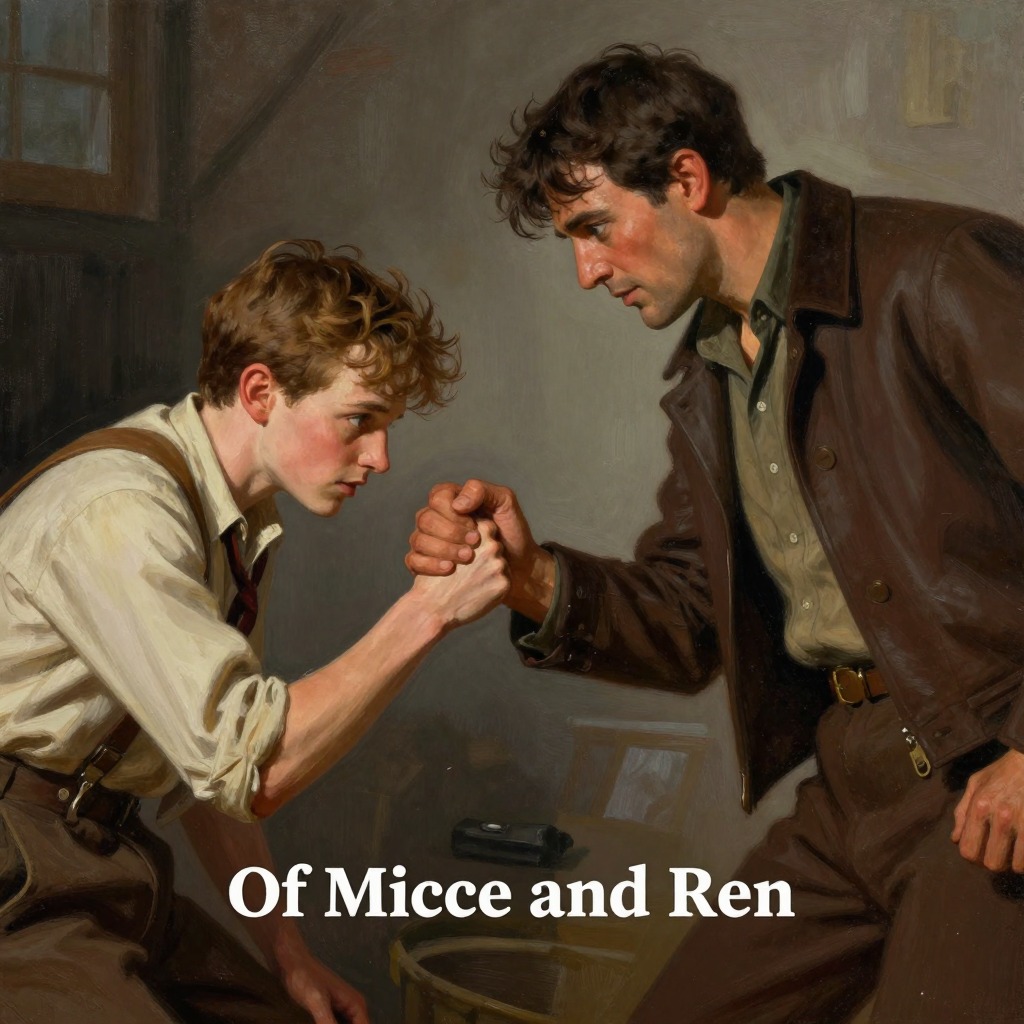
The Conflict with Curley
Traces the escalating tension between Lennie and Curley, from Curley's initial hostility to the fight that breaks Lennie's hand.
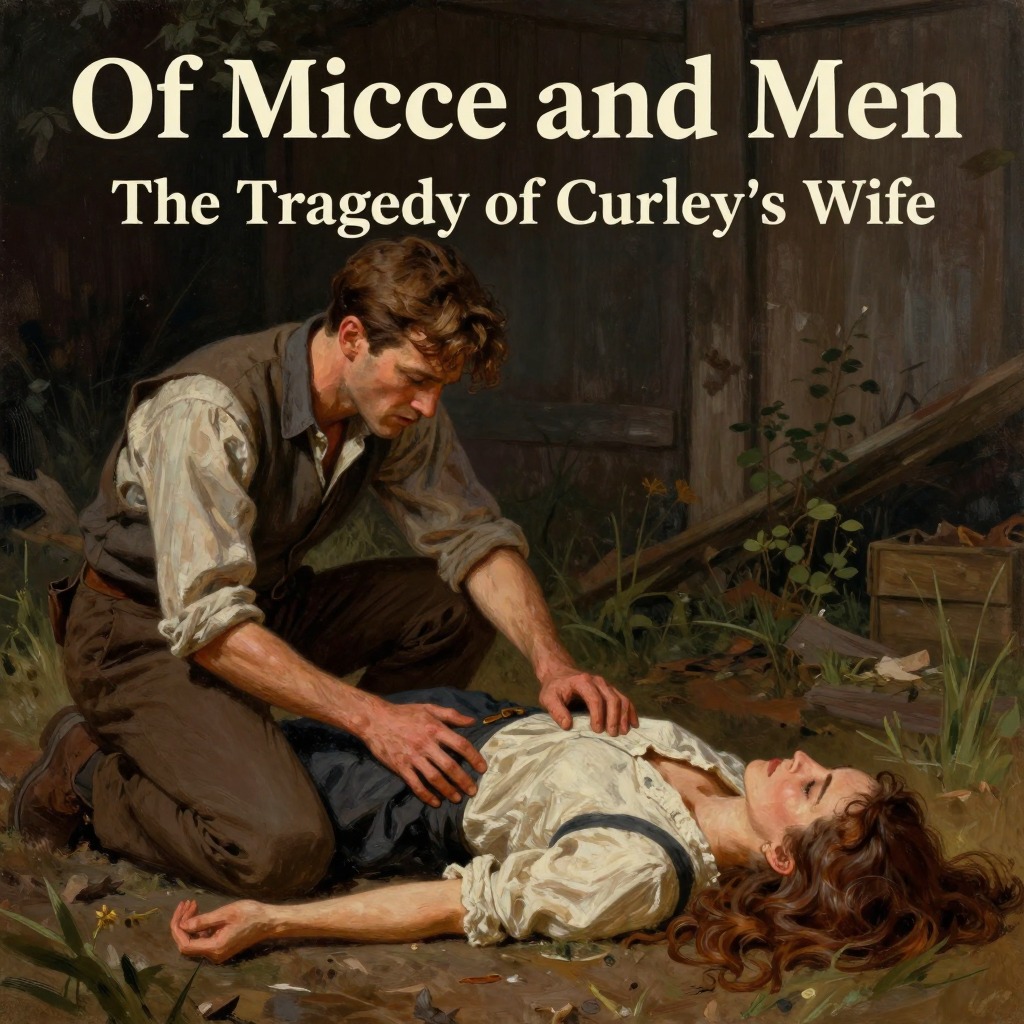
The Tragedy of Curley's Wife
Follows the arc of Curley's wife from a lonely flirt to the unintended victim of Lennie's strength, culminating in her death.
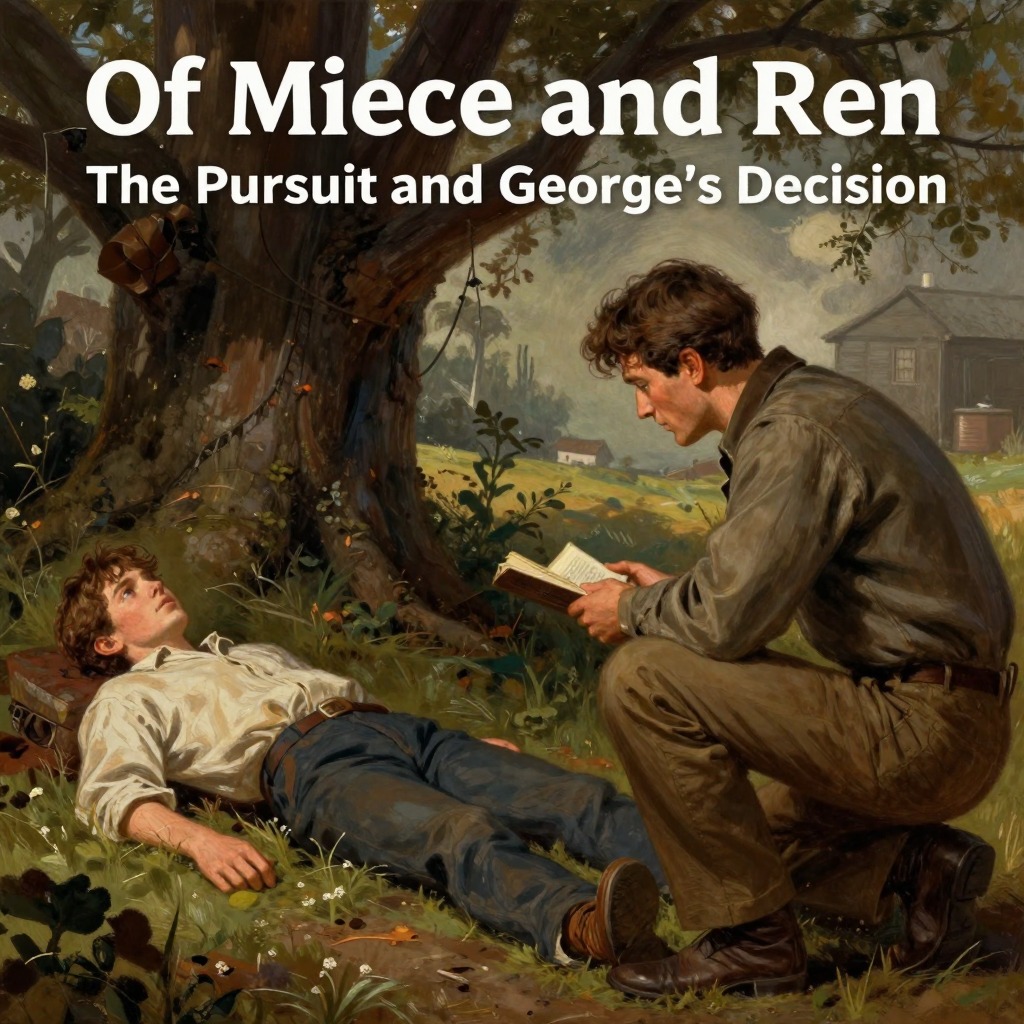
The Pursuit and George's Decision
Traces the hunt for Lennie after Curley's wife's death, and George's internal struggle that leads to the mercy killing.
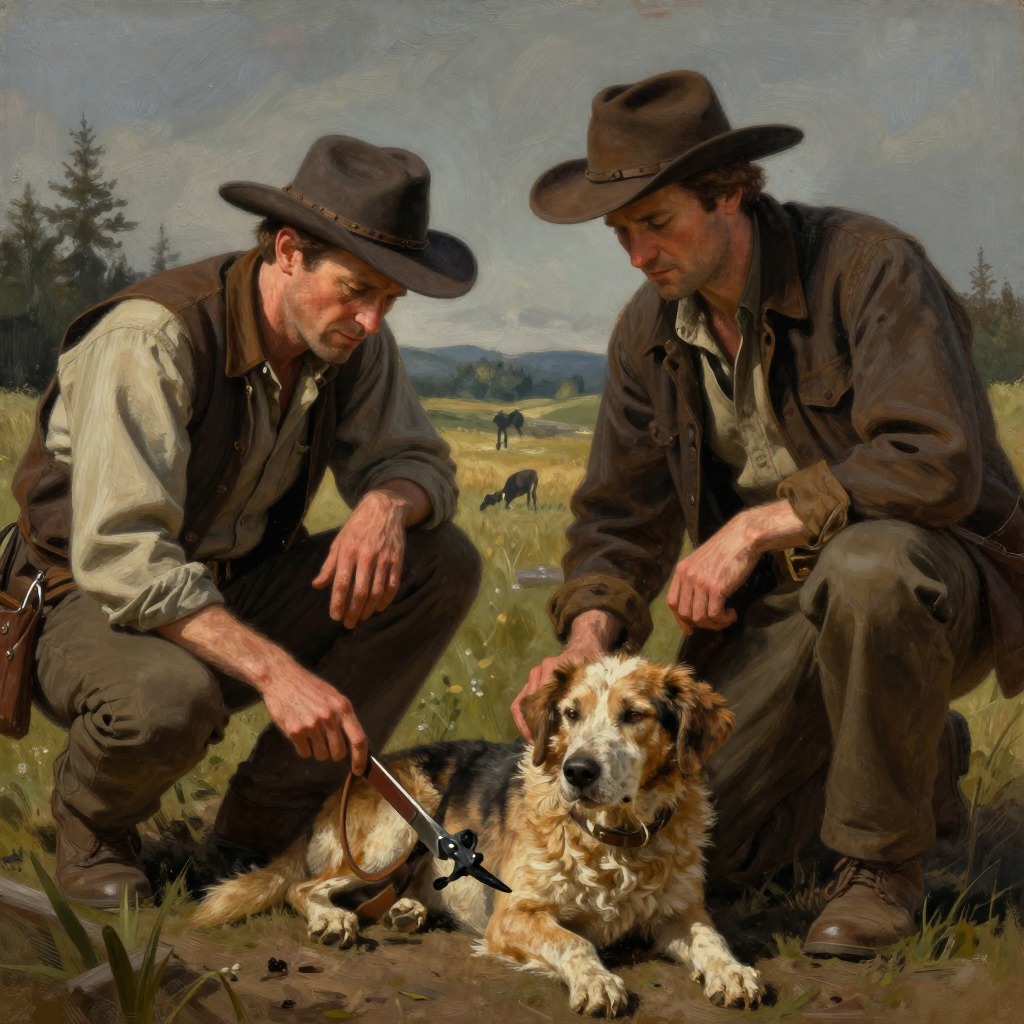
Candy's Dog and Its Fate
Follows the parallel story of Candy's old dog, its shooting by Carlson, and the emotional resonance it has with the novel's themes of mercy and powerlessness.
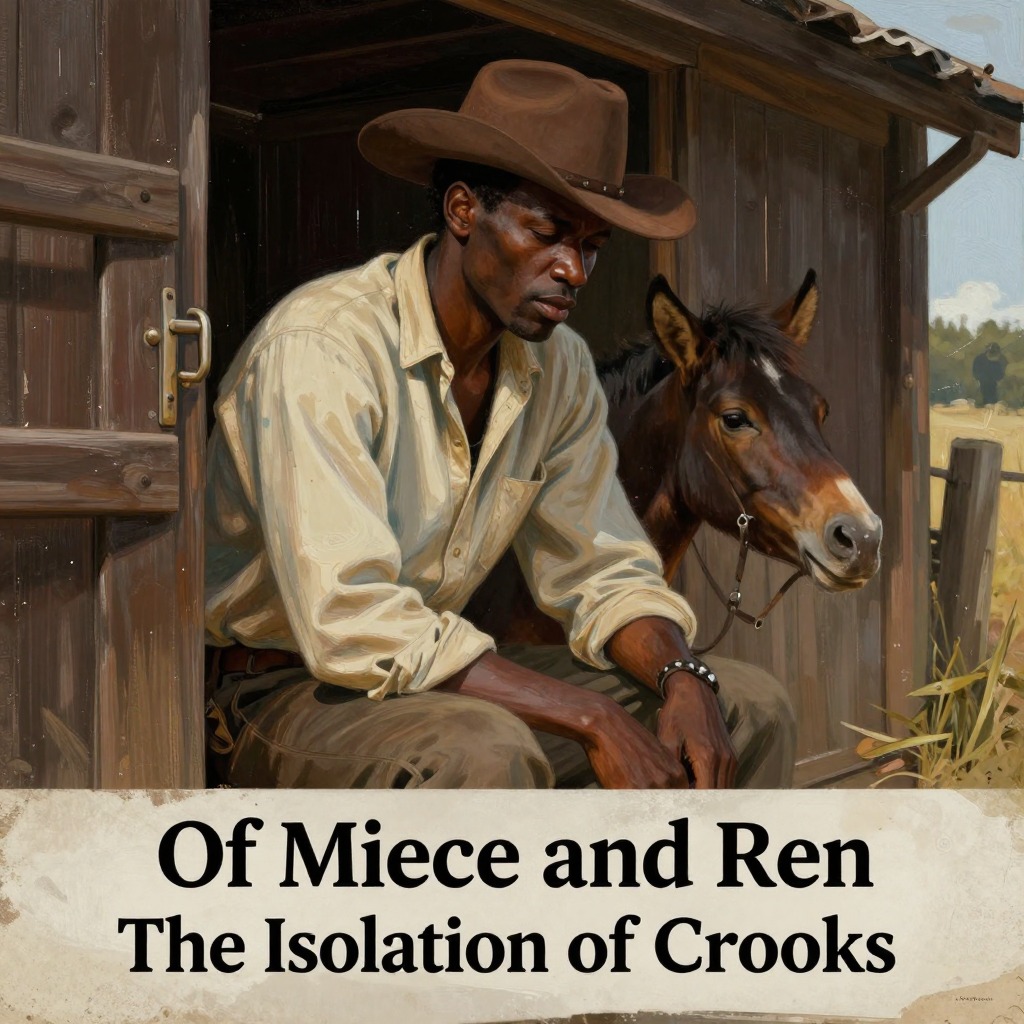
The Isolation of Crooks
Traces the character of Crooks, the black stable buck, and his experiences of racial segregation and loneliness on the ranch.
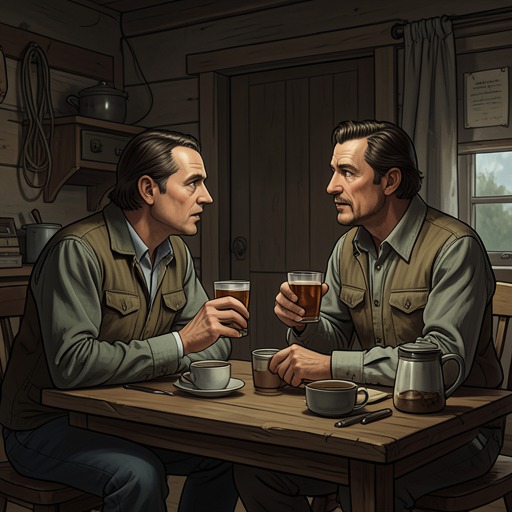
The Friendship Between George and Slim
Traces the developing bond of mutual respect and understanding between George Milton and Slim, the only character who truly comprehends George's burden.
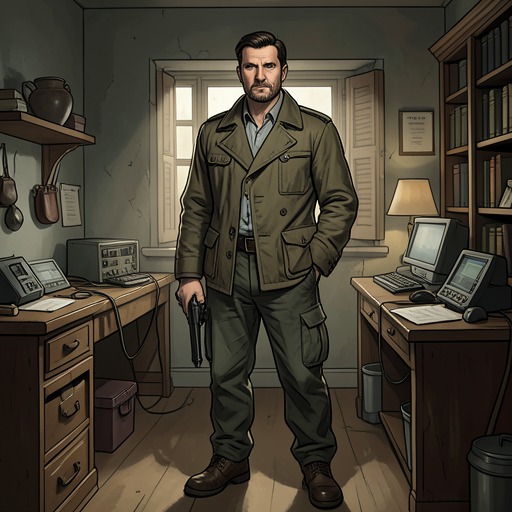
Carlson's Pragmatism
Follows the character of Carlson, whose utilitarian worldview leads him to advocate for the shooting of Candy's dog and later to question George's actions.
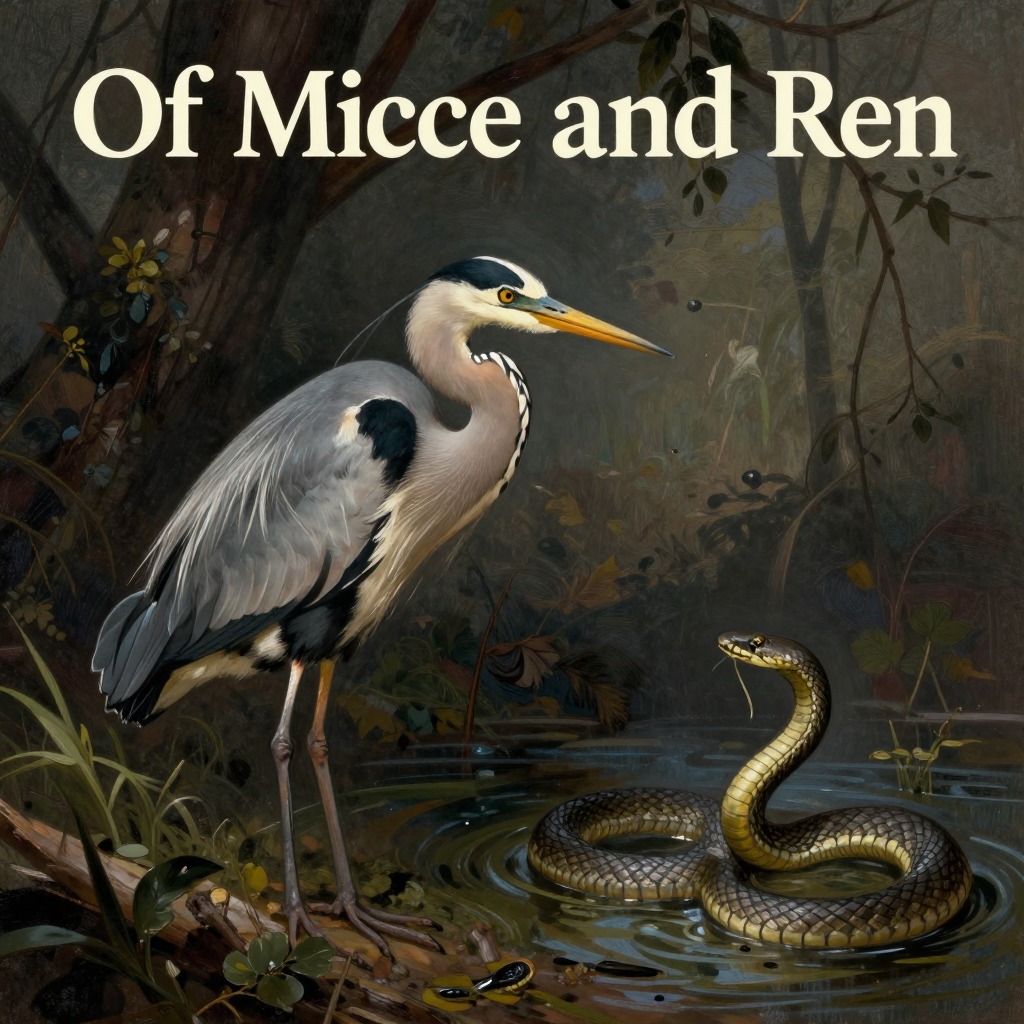
The Heron and the Snake Symbolism
Traces the symbolic use of nature, particularly the heron and the water snake, to foreshadow the violence and the cycle of life and death in the novel.
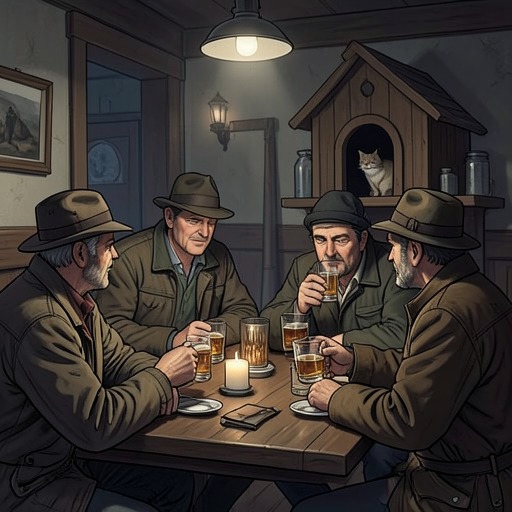
The Whiskey and the Cat House
Traces the recurring motif of the itinerant workers' desires for drink and women, representing the limited pleasures available to them and the harsh reality of their lives.
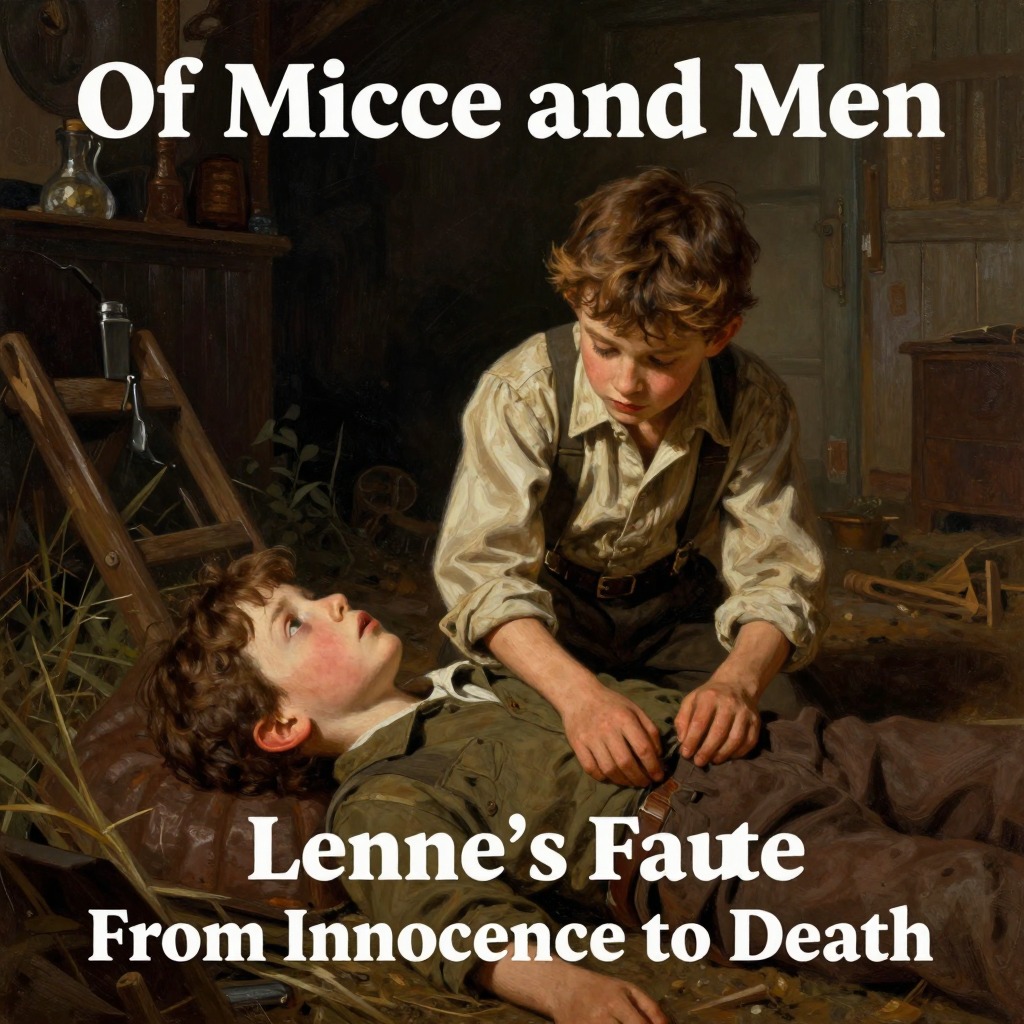
Lennie's Fate: From Innocence to Death
Traces Lennie Small's journey from a childlike innocent to a tragic figure whose strength and inability to understand the world lead to his death.
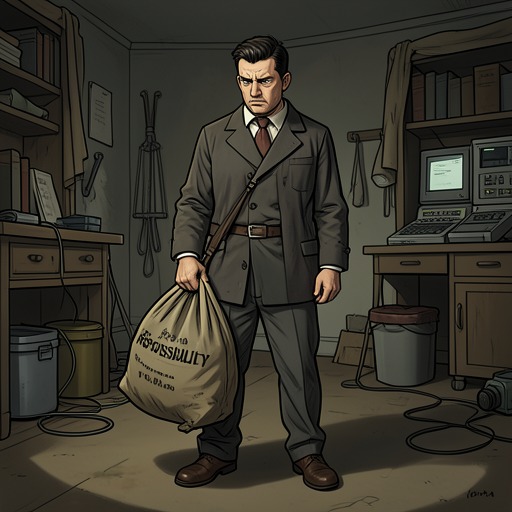
George's Fate: The Burden of Responsibility
Traces George Milton's journey from a hopeful dreamer to a man burdened by the weight of his decision to kill his best friend, and his uncertain future.
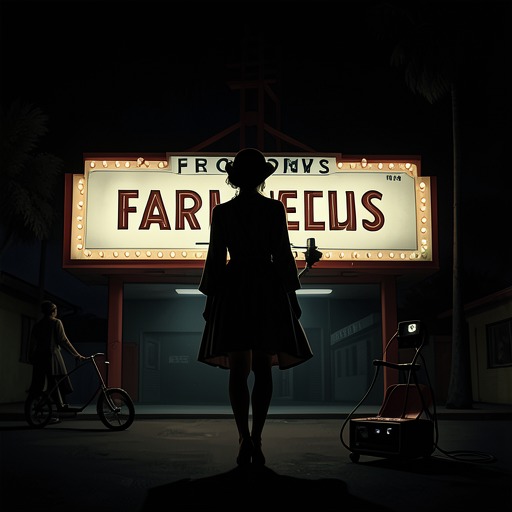
Curley's Wife's Fate: The Lonely Dream
Traces the life of Curley's wife, from her dreams of stardom to her lonely marriage and her tragic death at the hands of Lennie.
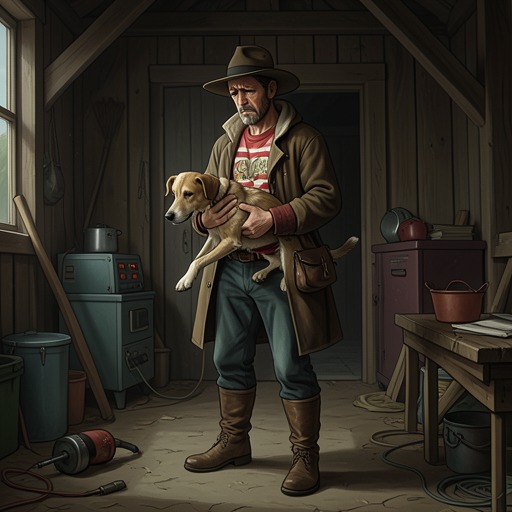
Candy's Fate: The Loss of His Dog and His Hope
Traces Candy's journey from an aging swamper with a dog to a man who loses his only companion and his dream of a better future.
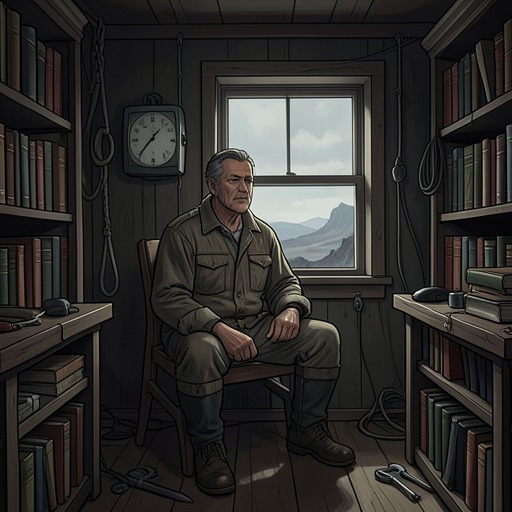
Crooks' Fate: The Permanent Outsider
Traces the life of Crooks, the black stable buck, who is permanently isolated by race and never escapes the confines of his segregated existence.
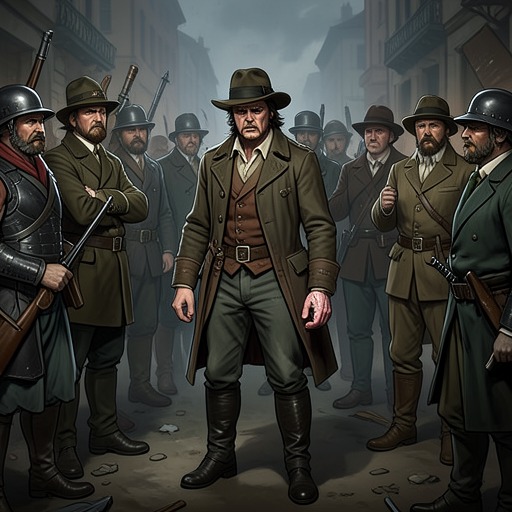
Curley's Fate: The Aggressive Man's End
Traces Curley's arc from a bullying, insecure man to a humiliated figure who loses his wife and his hand, but remains trapped in his own aggression.
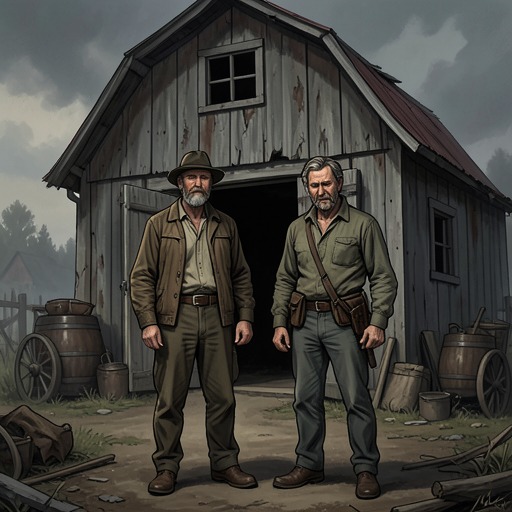
The Conflict Between Dream and Reality
Traces the central tension between the characters' hopes for a better life and the harsh realities of the itinerant worker's existence that constantly thwart those hopes.
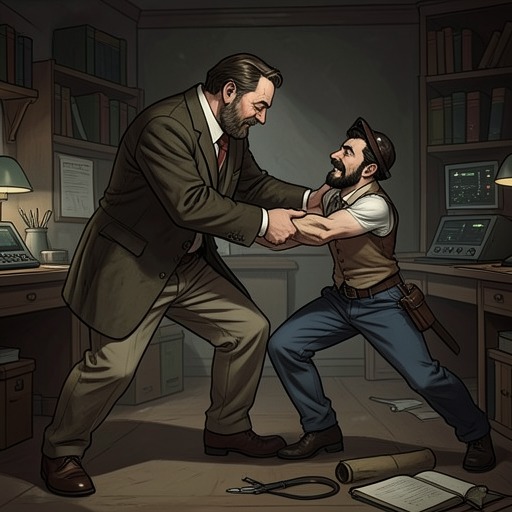
The Conflict of Strength: Lennie vs. Curley
Traces the physical and psychological conflict between the powerful, gentle Lennie and the small, aggressive Curley, culminating in the fight that breaks Curley's hand.
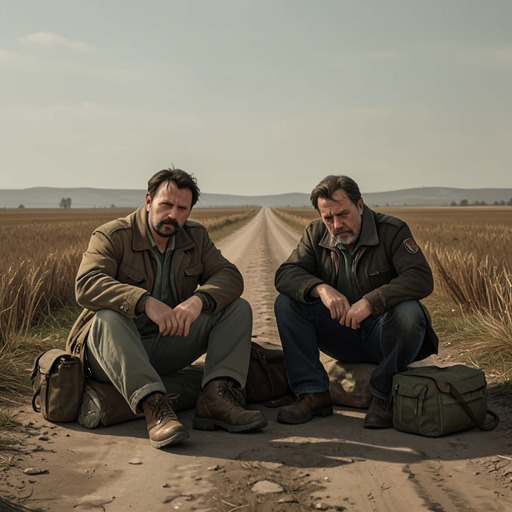
The Conflict of Loneliness: Yearning for Connection
Traces the pervasive loneliness of the characters and their desperate attempts to connect with one another, which often fail or lead to tragedy.
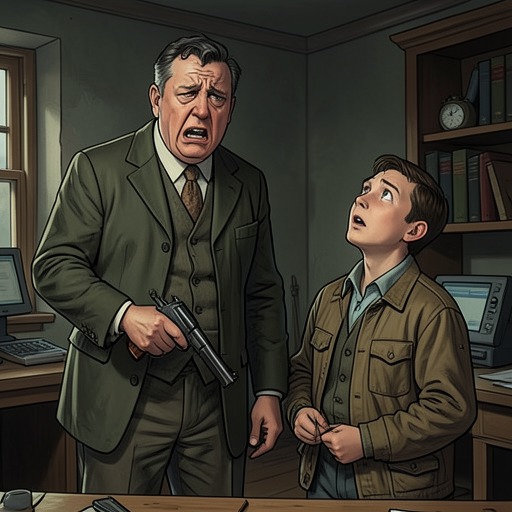
The Conflict of Mercy: George's Decision
Traces the moral conflict within George as he decides whether to let Lennie be killed by the mob or to kill him himself, a decision that defines the novel's climax.
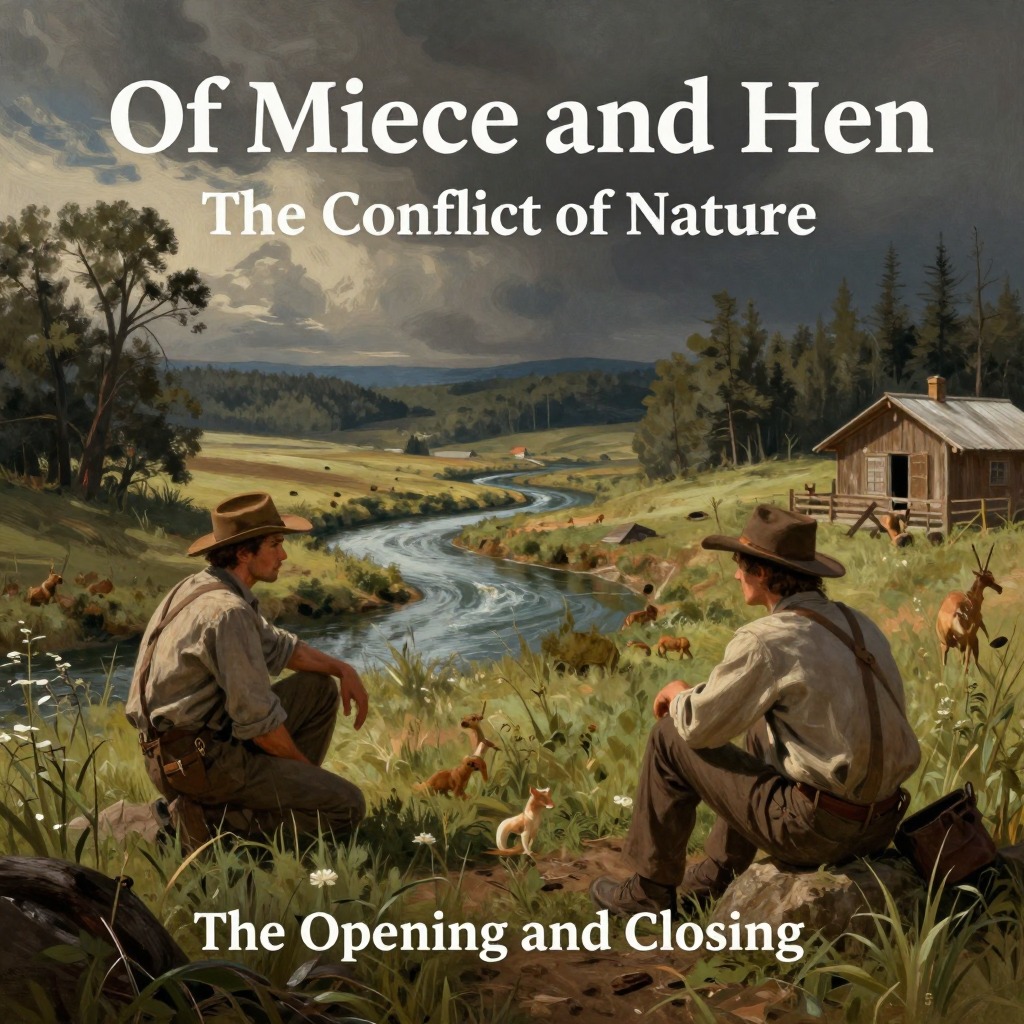
The Conflict of Nature: The Opening and Closing Scenes
Traces the contrast between the natural world of the Salinas River and the human world of the ranch, highlighting the indifference of nature to human suffering.
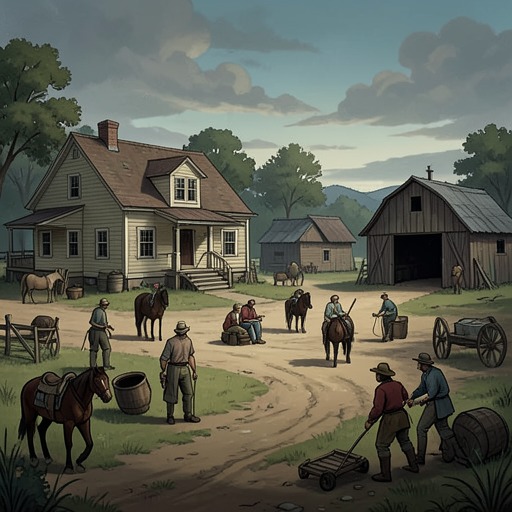
The Conflict of Social Hierarchy: The Ranch Dynamics
Traces the power dynamics on the ranch, from the boss to the lowest worker, and the tensions that arise from rank, race, and gender.
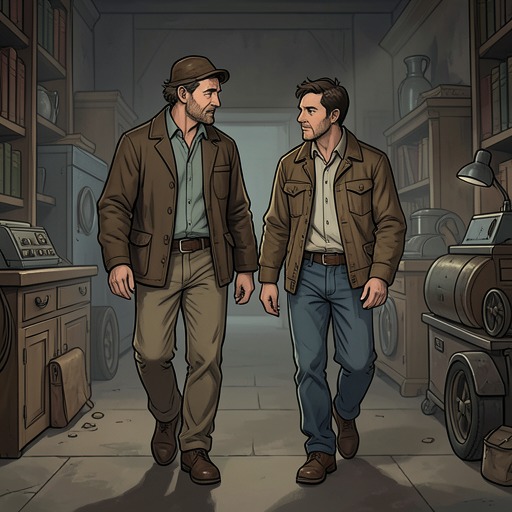
George and Lennie's Unbreakable Bond
Traces the deep emotional bond between George and Lennie, a relationship of mutual dependence, love, and sacrifice that defines the novel's heart.
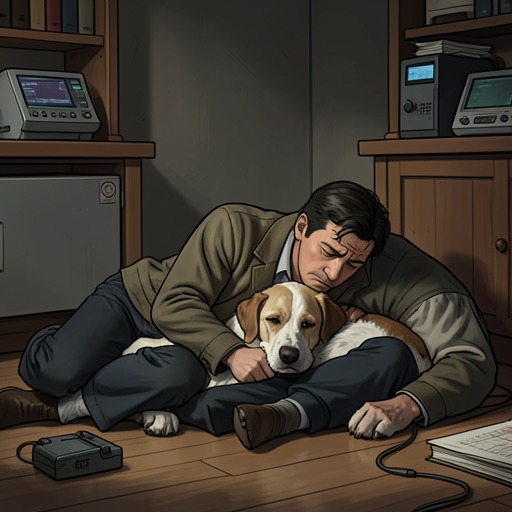
The Bond Between Candy and His Dog
Traces the emotional connection between Candy and his old dog, a relationship that mirrors the bond between George and Lennie and highlights the theme of mercy.
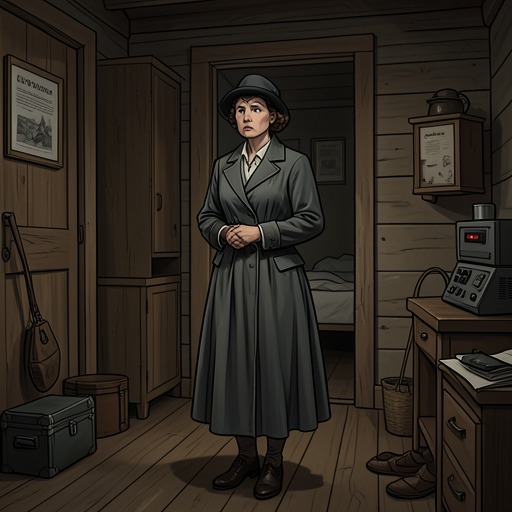
The Loneliness of Curley's Wife
Traces the emotional isolation of Curley's wife, her desperate attempts to find companionship, and the tragic consequences of her loneliness.
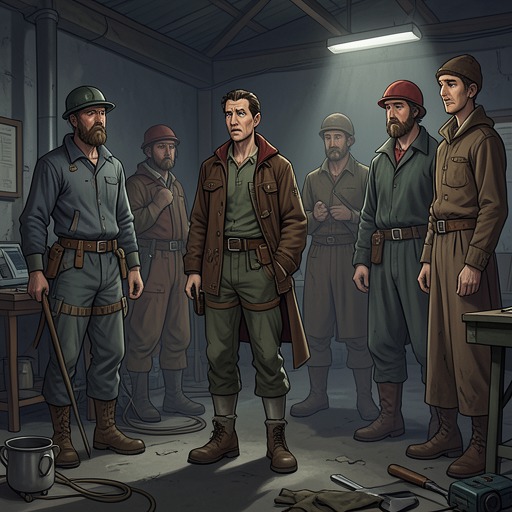
The Empathy of Slim
Traces Slim's role as the most empathetic character on the ranch, whose understanding and compassion provide a counterpoint to the harshness of the world.
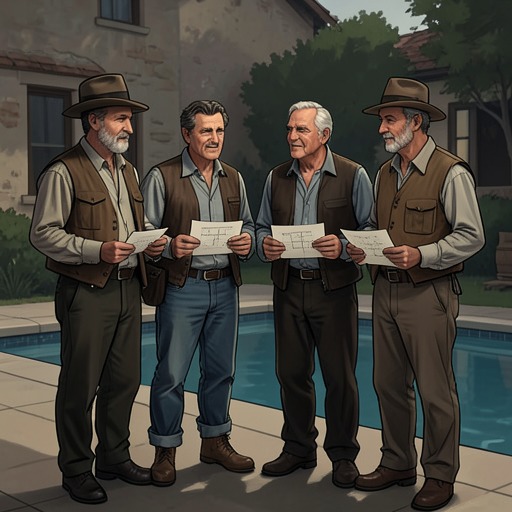
The Bond of Shared Dreams: George, Lennie, Candy, Crooks
Traces the temporary community formed by the dream of the farm, which briefly connects four lonely men across boundaries of age, race, and ability.
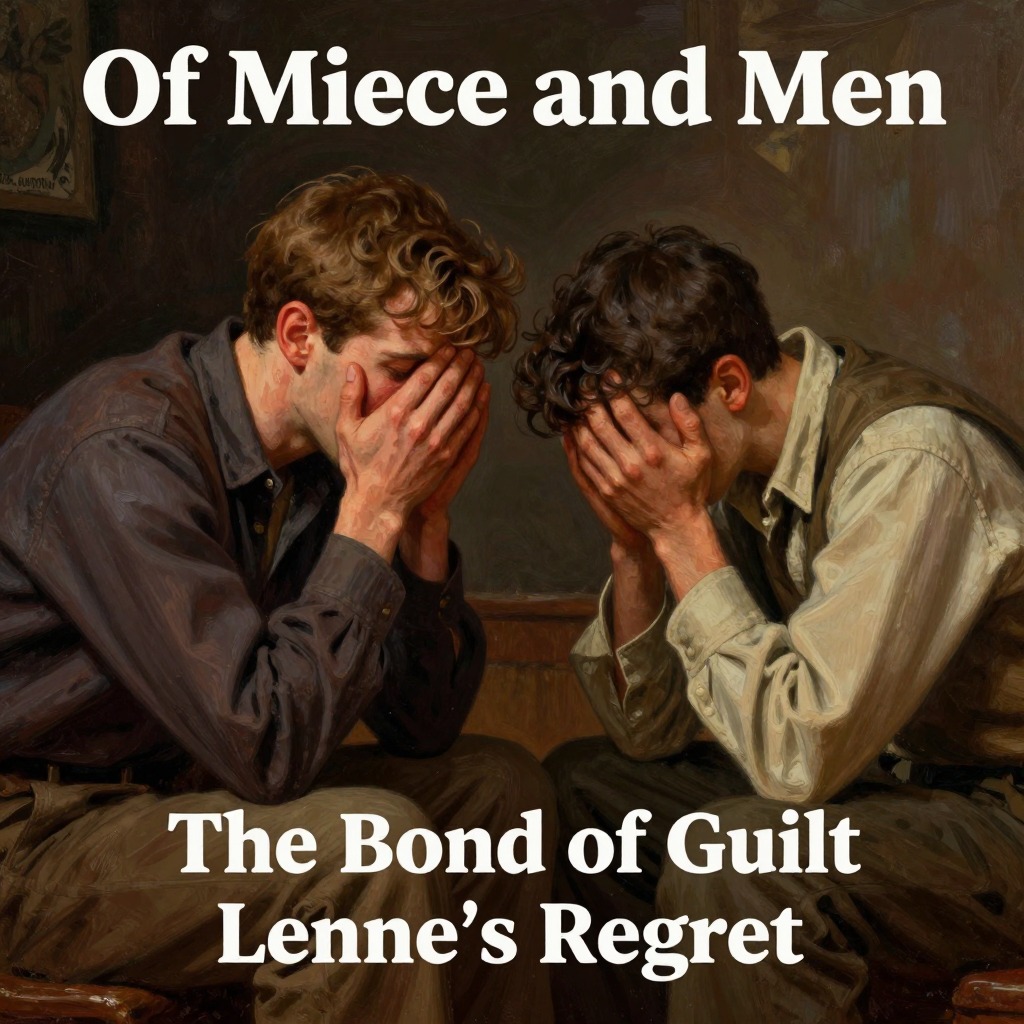
The Bond of Guilt: Lennie's Regret
Traces Lennie's emotional guilt over his past actions, his fear of disappointing George, and his internal struggle with his own nature.
The American Dream's Illusion
Traces the theme that the American Dream is an unattainable illusion for the itinerant workers, who are trapped in a cycle of poverty and loneliness.
The Inevitability of Loneliness
Traces the theme that loneliness is an inescapable condition of the itinerant worker's life, affecting every character regardless of age, race, or gender.
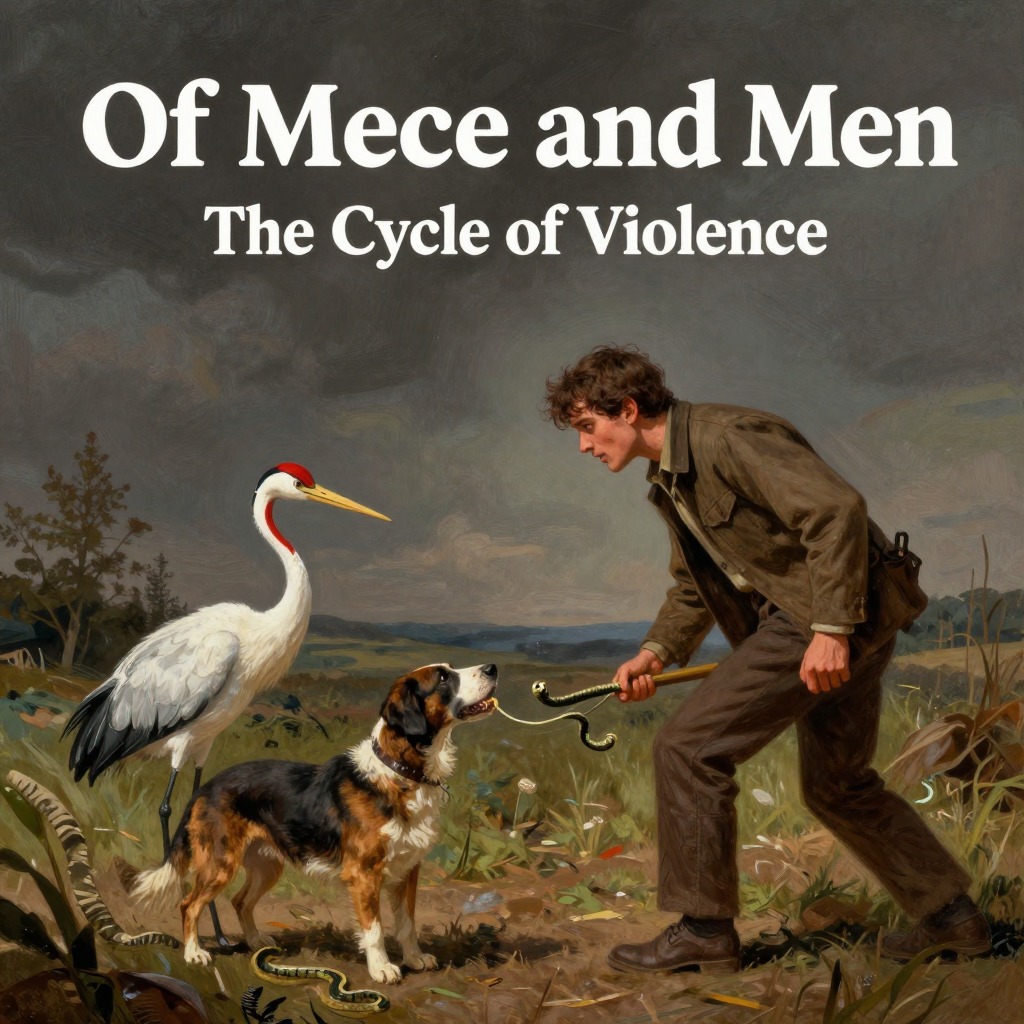
The Cycle of Violence
Traces the recurring pattern of violence in the novel, from the heron killing the snake to the shooting of Candy's dog, the fight, and the final killing of Lennie.
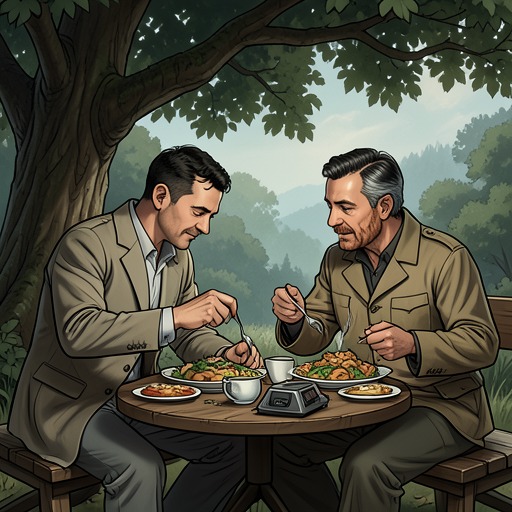
The Nature of Friendship and Sacrifice
Traces the theme that true friendship involves sacrifice, as demonstrated by George's decision to kill Lennie out of love and mercy.
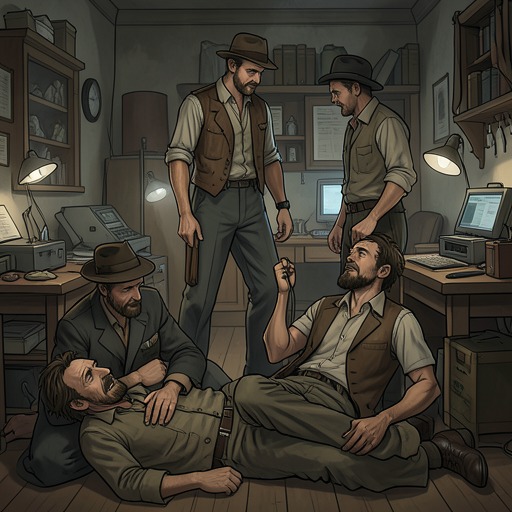
The Powerlessness of the Weak
Traces the theme that the weak and vulnerable characters in the novel are at the mercy of stronger forces, and their fates are determined by those with power.
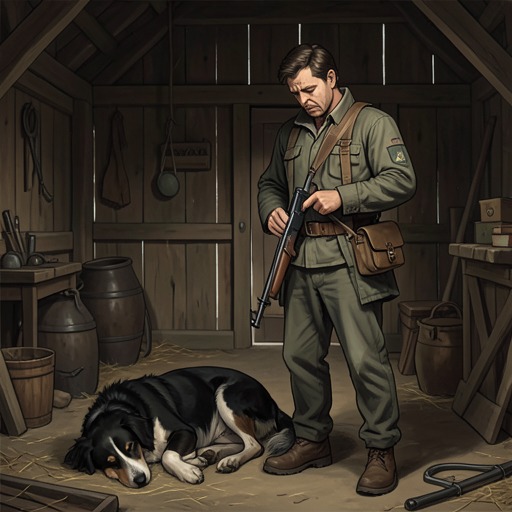
The Mercy of Killing
Traces the theme of mercy killing, from the shooting of Candy's dog to George's shooting of Lennie, questioning whether taking a life can be an act of compassion.