
The Conflict of Mercy: George's Decision
Of Mice and MenTraces the moral conflict within George as he decides whether to let Lennie be killed by the mob or to kill him himself, a decision that defines the novel's climax.
increasing Bearing strength in each event
 decreasing
Bearing strength in each eventdecreasingThe Precedent of the Dog
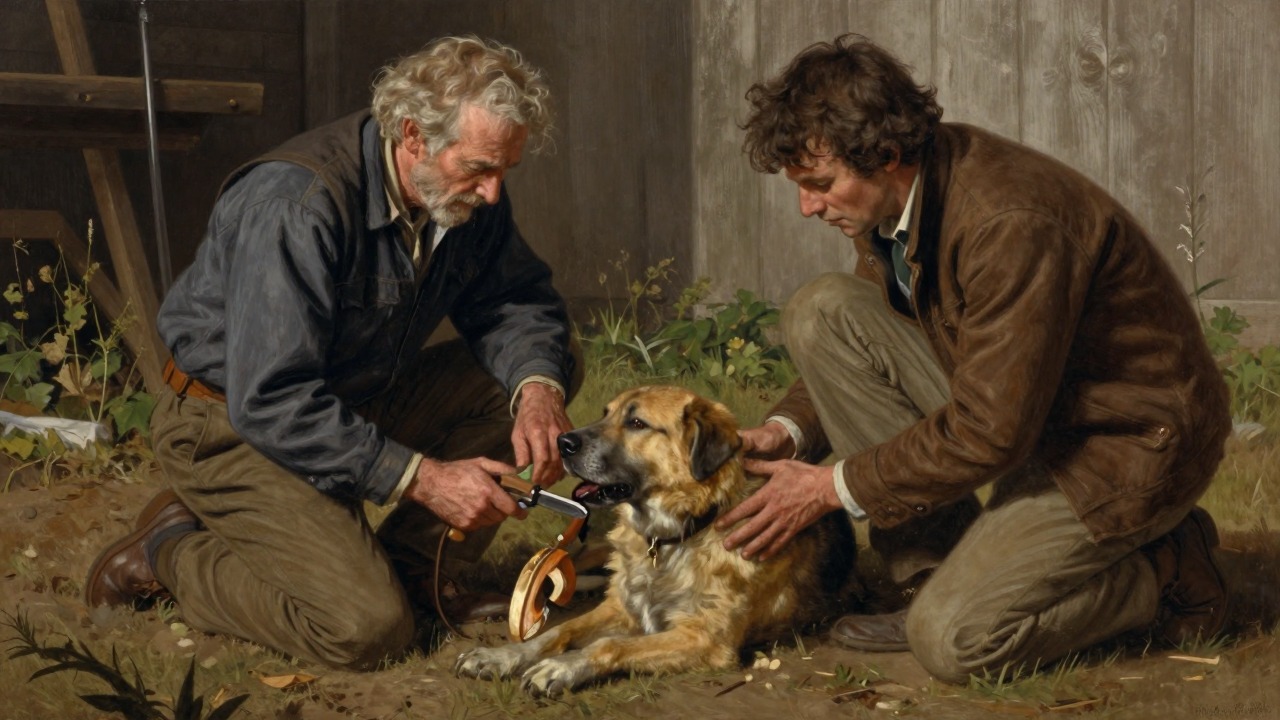
The Lesson of Candy's Dog
The Shooting of the Dog
When Carlson shoots Candy's dog, the event is a lesson in mercy. The dog is old and suffering, and the killing is seen as an act of kindness. But Candy is left with regret.
Candy's Regret
Candy later tells George that he should have shot the dog himself. This regret is a foreshadowing of George's own decision. The dog's death is a template for mercy killing.
The Moral Question
The dog's death raises the question: is it better to kill out of mercy, or to let nature take its course? The novel does not answer, but it sets up the moral dilemma for George.
The Decision to Act
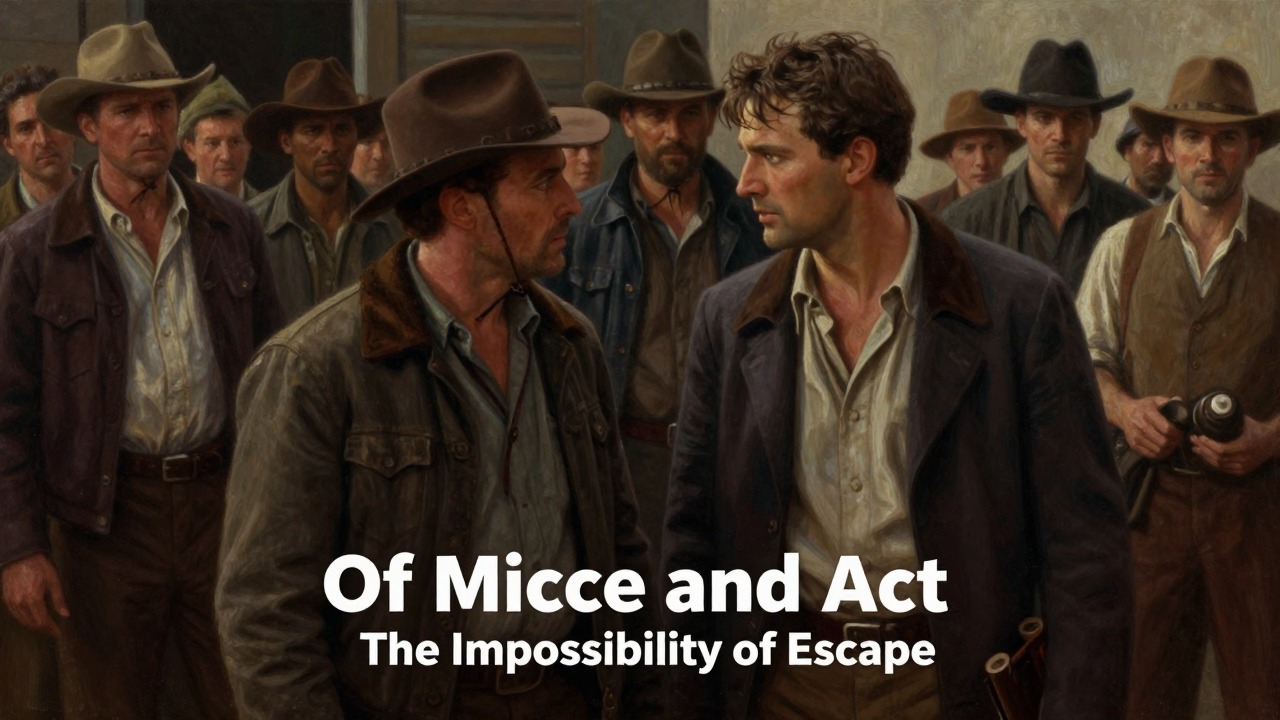
The Agony of Choice
The Impossibility of Escape
When George realizes that Lennie has killed Curley's wife, he knows that there is no escape. The mob will kill Lennie, and they will do it in a brutal way. George must choose between letting a stranger do it or doing it himself.
The Parallel to the Dog
George remembers Candy's dog and Candy's regret. He decides that he will not let a stranger take Lennie's life. He will take the responsibility himself. This decision is an act of love, but it is also a burden.
The Execution
George finds Lennie at the pool, recites the dream, and shoots him. The act is quick and merciful. George has made the choice to kill his friend. The conflict of mercy is resolved, but it leaves George emotionally shattered.
The first evening at the ranch
After the death of Curley's wife
