
The Conflict of Social Hierarchy: The Ranch Dynamics
Of Mice and MenTraces the power dynamics on the ranch, from the boss to the lowest worker, and the tensions that arise from rank, race, and gender.
increasing Bearing strength in each event
 decreasing
Bearing strength in each eventdecreasingThe Hierarchy Introduced
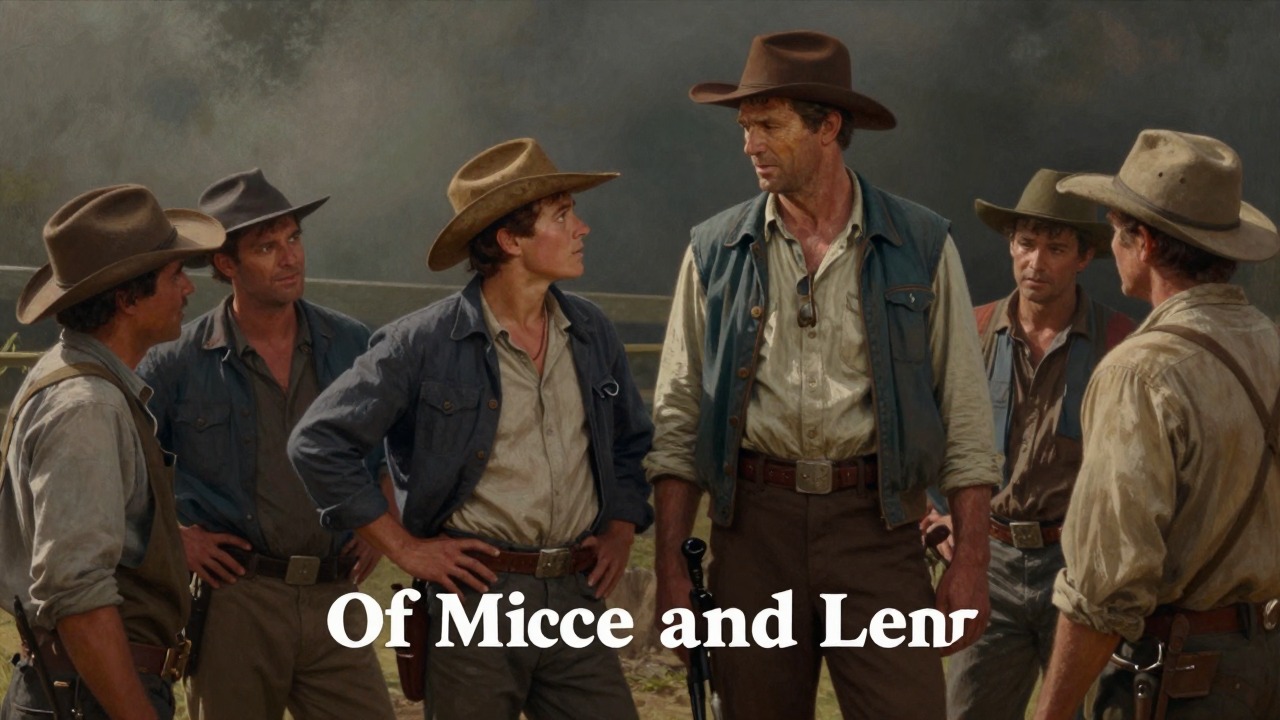
The Pecking Order
The Boss and Curley
The boss is the highest authority, and Curley is his son. The boss is suspicious of George and Lennie, but he is not overtly hostile. Curley, however, uses his position to bully the other men.
The Workers
Slim is the highest ranked among the workers. He is respected for his skill and authority. Carlson is next, pragmatic and direct. Candy is low, an old man with a missing hand. Crooks is the lowest, segregated because of his race.
The Tensions
The hierarchy creates tensions. Curley's aggression is tolerated because he is the boss's son. Crooks is isolated. The dream of the farm is a way to escape the hierarchy, but it is ultimately impossible.
The Challenges to the Hierarchy
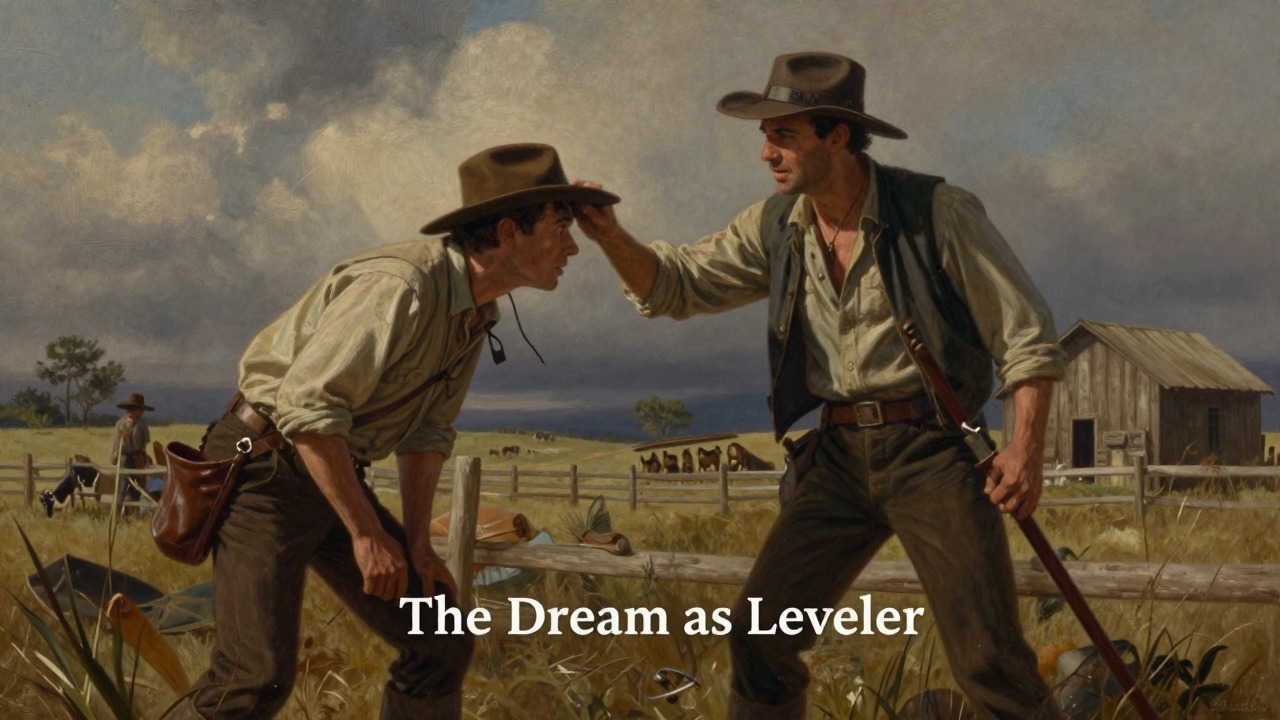
The Fight and the Dream
The Fight with Curley
Lennie's defeat of Curley challenges the hierarchy. Curley is humiliated, and his authority is weakened. Slim takes control of the situation. The hierarchy is temporarily disrupted.
The Dream as Leveler
The dream of the farm temporarily levels the hierarchy. Candy, George, Lennie, and even Crooks are equal in the dream. The dream is a rebellion against the social order.
The Reassertion of Hierarchy
Curley's wife's threat to Crooks reasserts the racial hierarchy. The dream is destroyed. The social order is restored, but it is shown to be unjust and cruel. The conflict of hierarchy is never resolved; it is only reinforced.
The first day at the ranch
The second day at the ranch
