
The Inevitability of Loneliness
Of Mice and MenTraces the theme that loneliness is an inescapable condition of the itinerant worker's life, affecting every character regardless of age, race, or gender.
increasing Bearing strength in each event
 decreasing
Bearing strength in each eventdecreasingThe Loneliness of the Workers
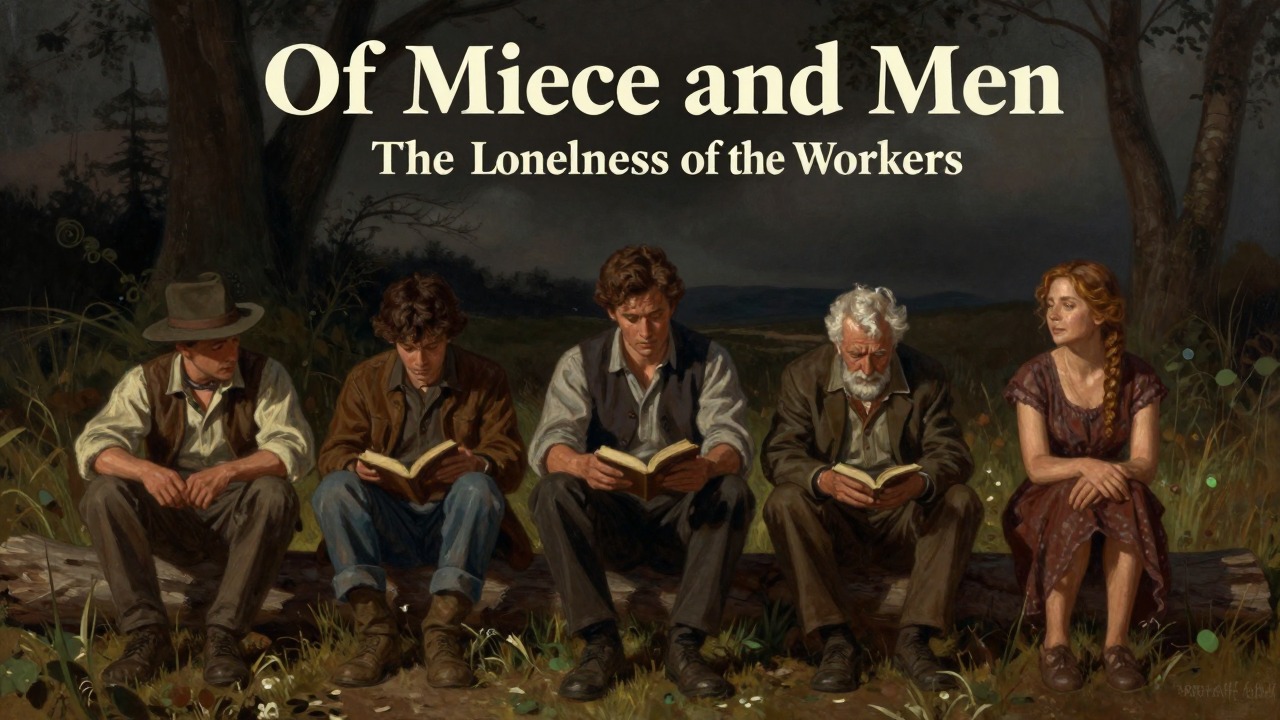
The Isolated Lives
The Individual Characters
Each character is lonely. George is lonely because he cannot have a normal life. Lennie is lonely because he is different. Candy is lonely because he is old. Crooks is lonely because of his race. Curley's wife is lonely because she is trapped.
The Lack of Community
The bunkhouse is not a community. The men live together, but they do not connect. They are suspicious of each other, afraid of being vulnerable. The dream is a rare attempt to create community, but it fails.
The Inevitable Isolation
The novel suggests that loneliness is inevitable. The characters are isolated by their circumstances, their personalities, and the society they live in. There is no escape from the fundamental loneliness of the human condition.
The Loneliness After the Tragedy
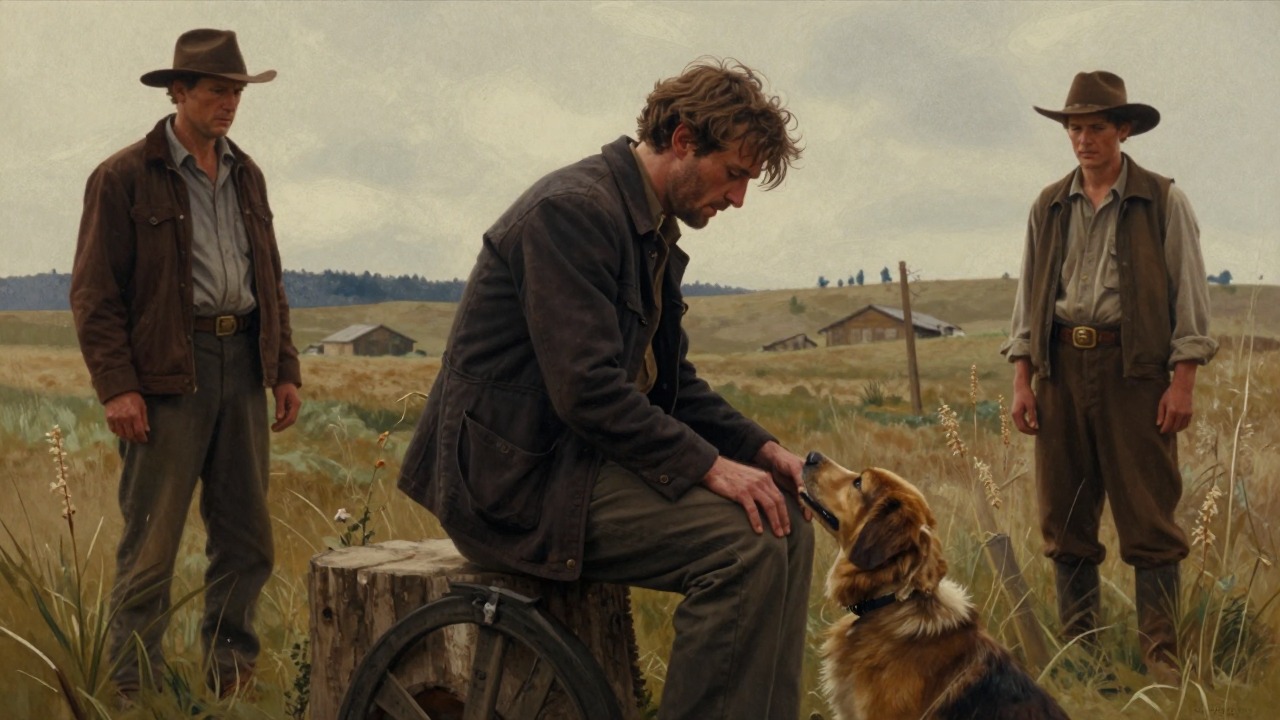
The Final Isolation
George's Loneliness
After killing Lennie, George is more alone than ever. He has lost his only friend. The other men cannot understand his grief. He is isolated in his pain.
The Others' Isolation
Curley is alone with his wife dead. Candy is alone without his dog or his dream. Crooks is alone in his harness room. The deaths do not bring them together; they reinforce their isolation.
The Unbroken Theme
The novel ends with the characters still separated. The theme of loneliness is unresolved. It is a permanent condition. The only hope is the brief connections that are always lost.
The first two days at the ranch
The end of the novel
