
The Mercy of Killing
Of Mice and MenTraces the theme of mercy killing, from the shooting of Candy's dog to George's shooting of Lennie, questioning whether taking a life can be an act of compassion.
increasing Bearing strength in each event
 decreasing
Bearing strength in each eventdecreasingThe Dog's Mercy Killing
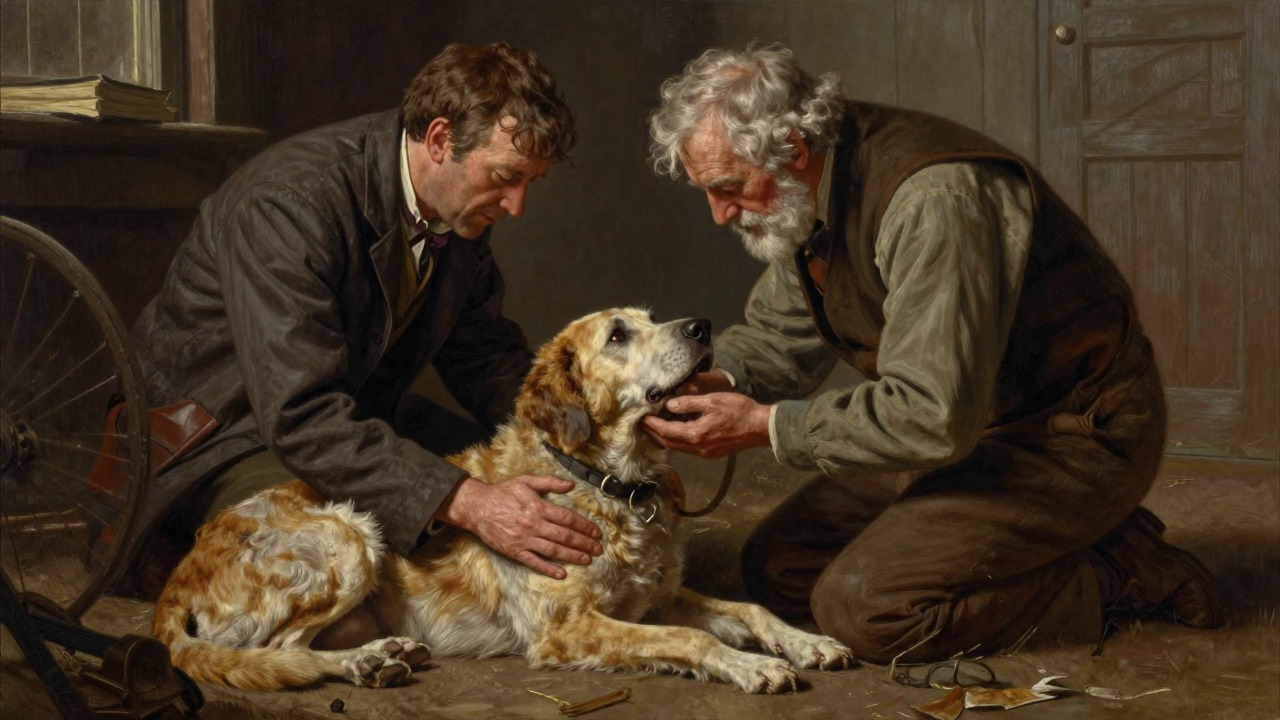
The First Act of Mercy
The Argument for Mercy
Carlson argues that the dog is suffering and should be put out of its misery. He sees the killing as an act of kindness. The dog is old and sick, and death is a release.
The Reluctance
Candy is reluctant. He loves the dog, but he cannot deny the logic. He lets Carlson shoot the dog. The mercy is real, but it is also a loss.
The Question of Mercy
The dog's death raises the question: is it merciful to kill something that is suffering? The novel does not give a simple answer. The dog's death is a test case for the later killing of Lennie.
Lennie's Mercy Killing
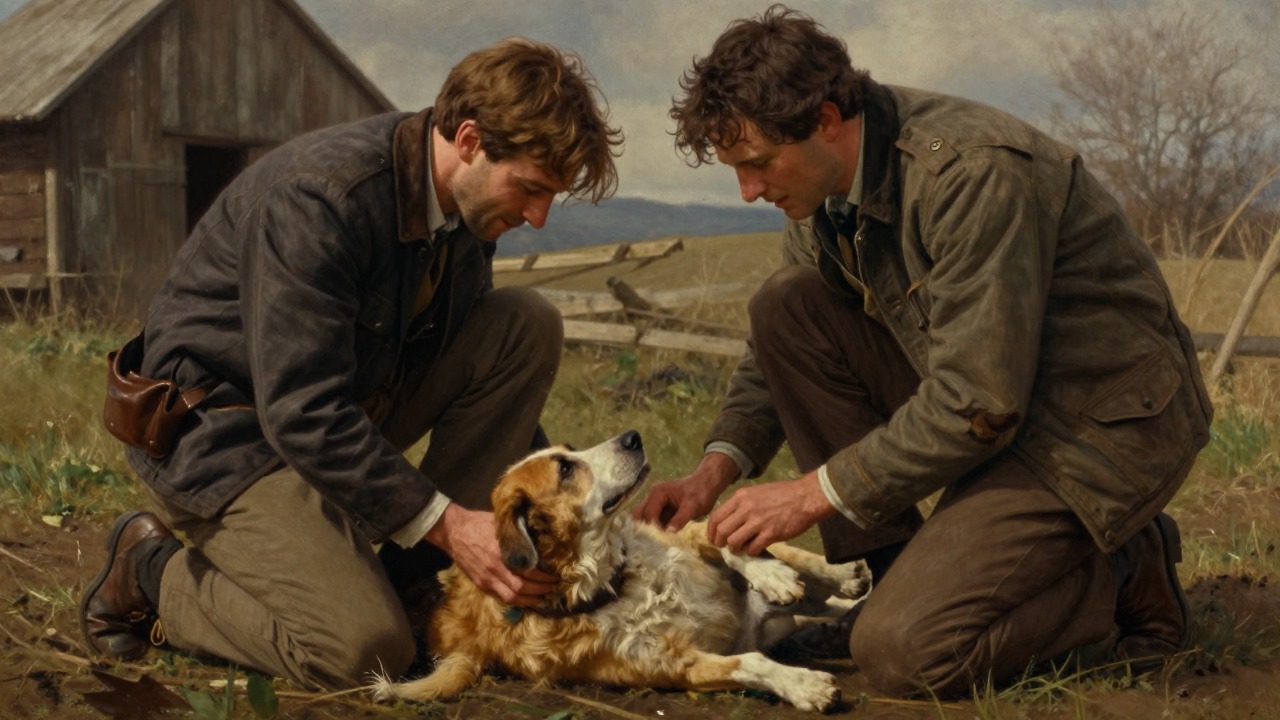
The Final Mercy
The Parallel to the Dog
George's killing of Lennie mirrors the killing of Candy's dog. Both are mercy killings. Both are done out of a sense of responsibility. But Lennie's death is more personal and tragic.
The Act of Love
George kills Lennie to save him from a worse death. It is an act of love. The mercy is not just about ending suffering; it is about preserving dignity. Lennie dies happy, dreaming of the farm.
The Ambiguity of Mercy
The novel leaves the morality of mercy killing ambiguous. Is it right to kill someone you love? George's action is both a mercy and a murder. The theme is that mercy killing is a complex, painful choice that only love can justify.
The first evening at the ranch
The end of the novel
