
Carlson's Pragmatism
Of Mice and MenFollows the character of Carlson, whose utilitarian worldview leads him to advocate for the shooting of Candy's dog and later to question George's actions.
increasing Bearing strength in each event
 decreasing
Bearing strength in each eventdecreasingCarlson's Complaint
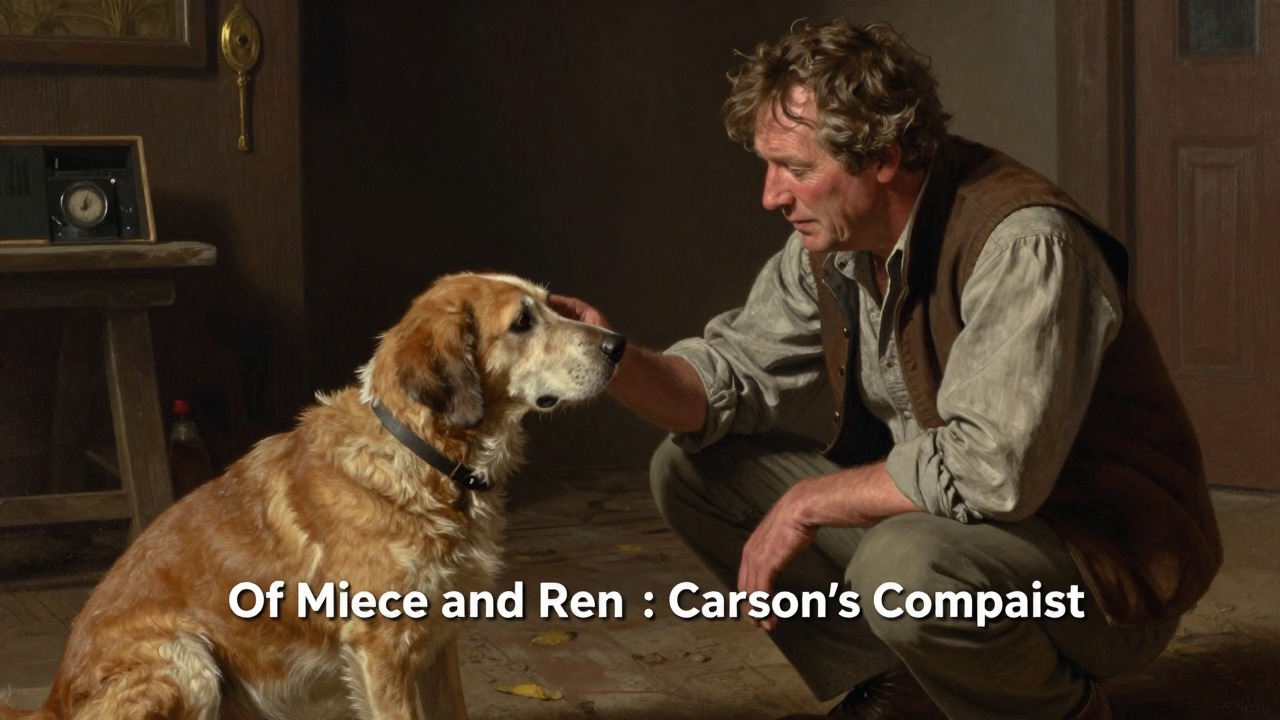
The Pragmatic Voice
The Rational Argument
Carlson is the first to complain about Candy's dog. He points out that the dog is old, sick, and suffering. He argues that the most merciful thing is to put it out of its misery. His logic is cold but not cruel; he sees the world in terms of utility.
The Pressure on Candy
Carlson does not relent. He offers to shoot the dog himself, using his Luger. He is not malicious, but he is relentless. He represents the forces of practicality that override sentiment. Candy is unable to resist, and the dog is killed.
The Symbol of the Practical Man
Carlson's character is a foil to the more emotional characters. He does not understand the attachment to a useless dog. He is efficient, but he lacks empathy. His actions set the stage for the later discussion of mercy: is it better to kill out of practicality or out of love?
Carlson's Question After the Killing
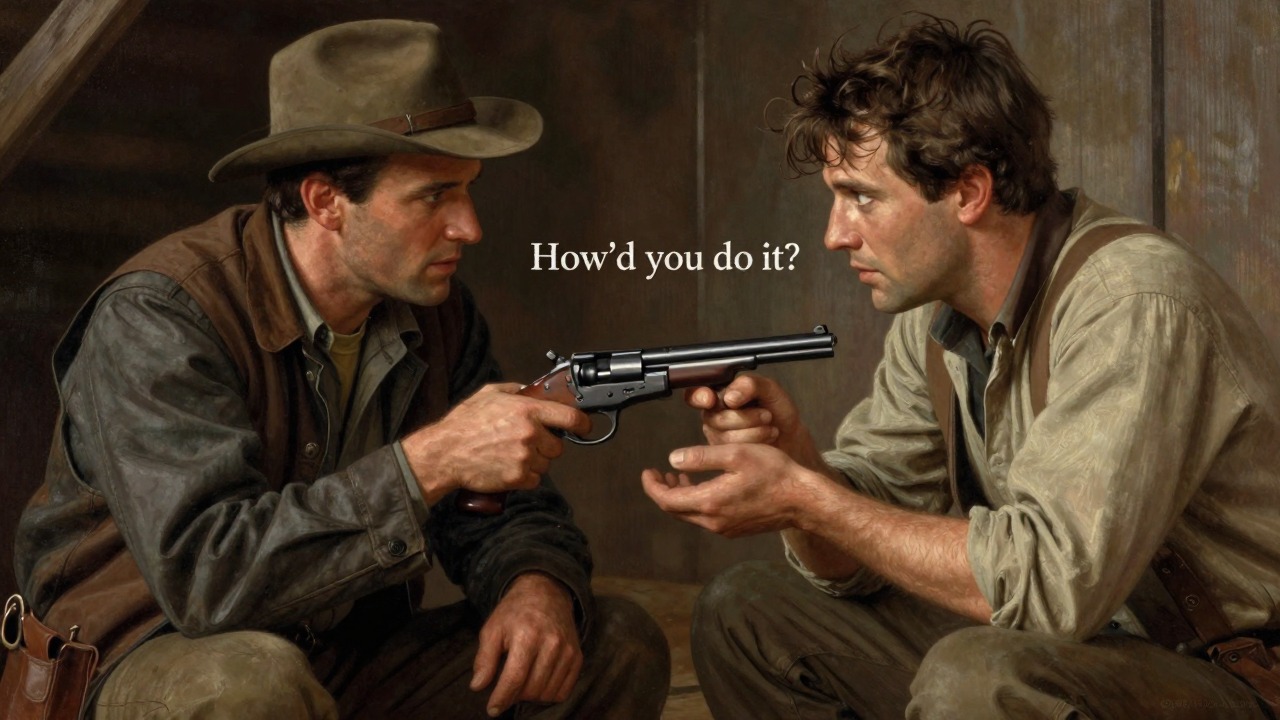
The Incomprehension
The Question of the Gun
After George shoots Lennie, Carlson is the one who asks how George did it. He wants to know if George used his gun. He is concerned about the logistics, not the emotion. He asks, "How'd you do it?" as if the killing were a technical matter.
The Lack of Understanding
Carlson does not grasp the tragedy. He sees the event as a simple act of justice. He is confused by Slim's empathy for George. He says, "Now what the hell ya suppose is eatin' them two guys?" He cannot comprehend the depth of George's loss.
The Critique of Pragmatism
Carlson's final line is a critique of the pragmatic worldview. He is unable to see the human cost of the killing. His character represents the coldness of a world that values efficiency over compassion. The novel ends with his bewildered question, underscoring the loneliness of the compassionate act.
The first evening at the ranch
After the shooting of Lennie
