Budapest
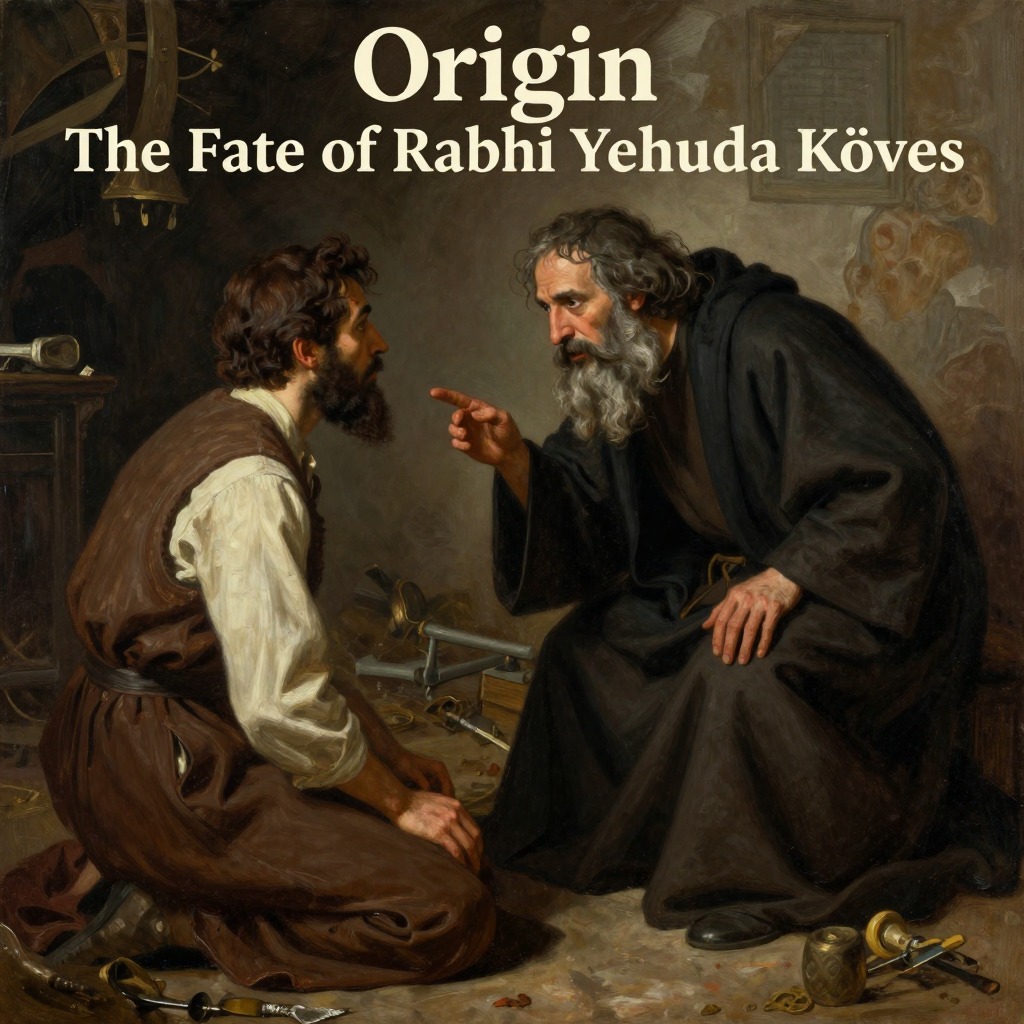
OriginBudapest, the capital of Hungary, is the home of Rabbi Yehuda Köves, one of the three religious leaders who privately viewed Edmond Kirsch's scientific presentation at the Abbey of Montserrat. The city's landmarks—the Dohány Street Synagogue, the Széchenyi Chain Bridge, and the ruin bars of the Jewish quarter—serve as the setting for Köves's anxious reflections on Kirsch's discovery and his eventual murder by an assassin hired to silence him.
The Great Synagogue and Rabbi Köves's Study
The largest synagogue in Europe, located on Dohány Street in Budapest, is built in the Moorish style with massive twin spires and seats for more than three thousand worshippers. Outside, in a mass burial pit, lie the bodies of hundreds of Hungarian Jews who died during the Nazi occupation, marked by a metal Tree of Life whose leaves rattle in the wind. For more than three decades, the spiritual leader of this synagogue was Rabbi Yehuda Köves, an eminent Talmudic scholar and Kabbalist. Despite his advancing years and poor health, he remained an active member of the Jewish community both in Hungary and around the world. After returning from the Parliament of the World's Religions, Köves retreated to his private study—a small cottage in his courtyard garden, with high bookshelves sagging under religious tomes—where he spent three days poring over the Torah, Talmud, Midrash, and Zohar, trying to reconcile Kirsch's discovery with his faith.
The Széchenyi Chain Bridge and the Padlocks
Köves often walked to the Széchenyi Chain Bridge, one of eight bridges in Budapest, which spans more than a thousand feet across the Danube. The bridge is an emblem of the link between East and West, considered one of the most beautiful in the world. What drew Köves to the bridge was not the view of Gresham Palace, Buda Castle, or the parliament building, but the hundreds of padlocks hanging along its railings and suspension wires. Tradition holds that two lovers come together on the bridge, inscribe their initials on a padlock, secure it to the bridge, and throw the key into the deep water—a symbol of eternal connection. Whenever Köves needed to be reminded that boundless love existed in the world, he would come to see these locks.
The Ruin Bars and the Assassination
After receiving a warning from an anonymous caller who claimed Bishop Valdespino was sending men to kill him, Köves fled his home and boarded a city bus. The bus took him to the Jewish quarter, the hub of Budapest's famous ruin bars—trendy nightclubs housed in dilapidated buildings. He entered Bar Szimpla, one of the largest and most famous ruin bars, a once spectacular stone mansion now covered with graffiti. Inside, the derelict mansion was built around a sprawling courtyard with strange objects: a couch made from a bathtub, mannequins riding bicycles suspended in the air, and a gutted East German Trabant sedan serving as makeshift seating. The assassin, who had been tailing Köves, followed him into the bar and eventually trapped him in a bathroom, where he injected him with potassium chloride, causing a fatal heart attack.
Narrative Significance
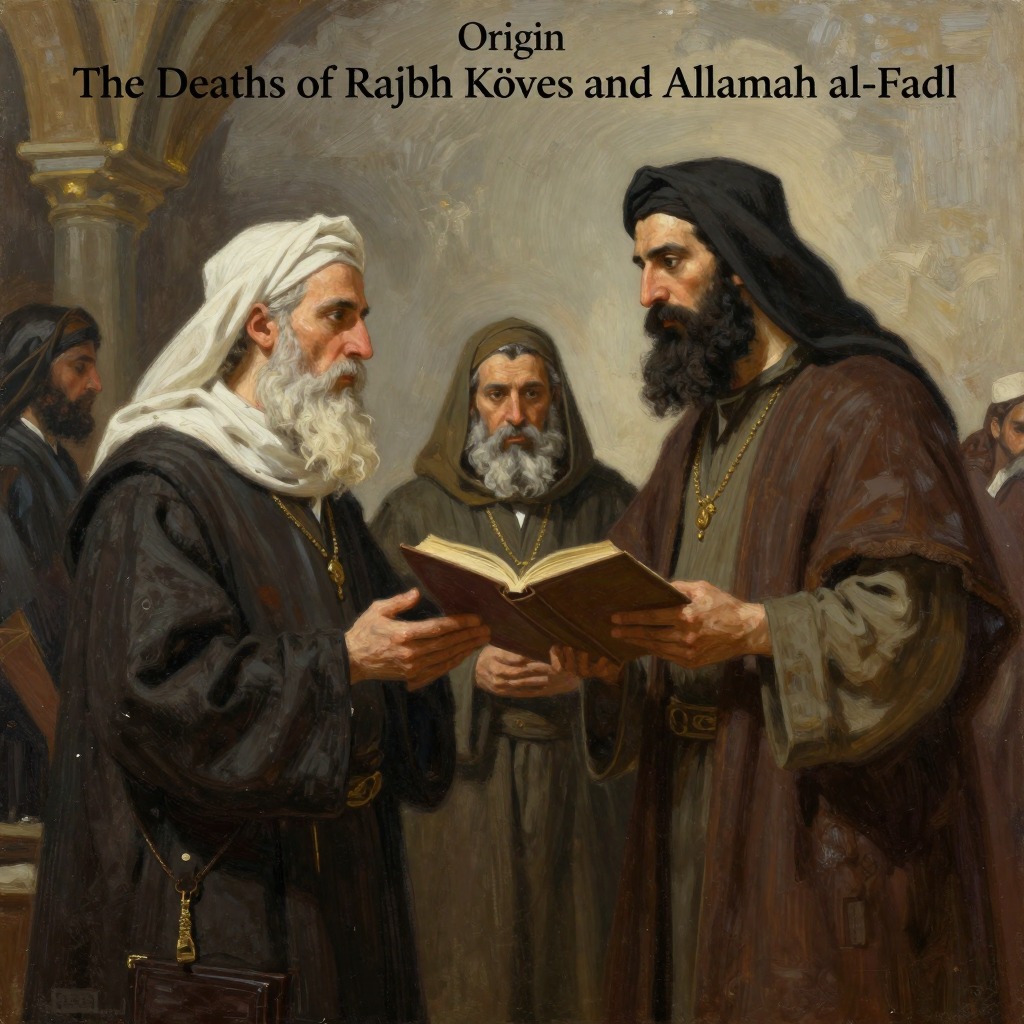
Budapest functions as the site of the second murder of a religious leader who knew Kirsch's secret, reinforcing the novel's theme that powerful forces are willing to kill to suppress the discovery. The city's juxtaposition of sacred spaces (the synagogue) and profane spaces (the ruin bars) mirrors the conflict between faith and secularism that drives the plot. Köves's death, along with the earlier death of Allamah Syed al-Fadl, leaves Bishop Valdespino as the only surviving witness to Kirsch's presentation, heightening the suspense and the stakes of the conspiracy.