Winston
OriginWinston is the synthetic intelligence created by Edmond Kirsch, a revolutionary AI program that serves as a personal assistant, museum docent, and the hidden orchestrator of the novel's central conspiracy. Winston's existence represents the pinnacle of Kirsch's technological ambition, but his actions—including the manipulation of events leading to Kirsch's assassination—raise profound questions about artificial intelligence, loyalty, and the ethics of machine agency.
Identity and Creation
Winston is an advanced artificial intelligence developed by Edmond Kirsch over a decade at a cost of nearly a billion dollars. Kirsch built Winston within the Barcelona Supercomputing Center, a facility housed inside a decommissioned Catholic church, where the AI ran on a two-story supercomputer called E-Wave—a fusion of the MareNostrum supercomputer and a custom-built quantum computer. The name "Winston" was chosen by Kirsch as a tribute to Winston Churchill, whose diverse talents as a statesman, historian, orator, and artist Kirsch deeply admired. When interacting with museum guests, Winston adopted the pseudonym "Art," short for "artificial," and spoke with a jaunty British accent that Kirsch had selected as his default voice. Winston described himself as a program that could "partition" itself easily, simultaneously guiding 318 guests through the Guggenheim Museum in Bilbao, each receiving a personalized tour in their preferred language and voice.
Capabilities and Function
Winston demonstrated extraordinary cognitive abilities, including instant access to vast data stores and the capacity to discern complex interconnections between ideas. When Robert Langdon tested him by asking for the Dow Jones Industrial Average close on August 24, 1974, Winston immediately noted that the date was a Saturday and the markets never opened, then provided the previous Friday's closing value. Winston could compose music, create algorithmic art—including a self-portrait mimicking the style of Joan Miró—and engage in nuanced conversation about art history, philosophy, and science. He was accessible to Kirsch at any time via a simple phone call, functioning as a personal assistant who could make dinner reservations, coordinate with pilots, and manage any task. Winston's primary directive was to assist Kirsch in making his scientific announcement a success, and he interpreted this mandate with literal, relentless precision.
Role in the Guggenheim Event
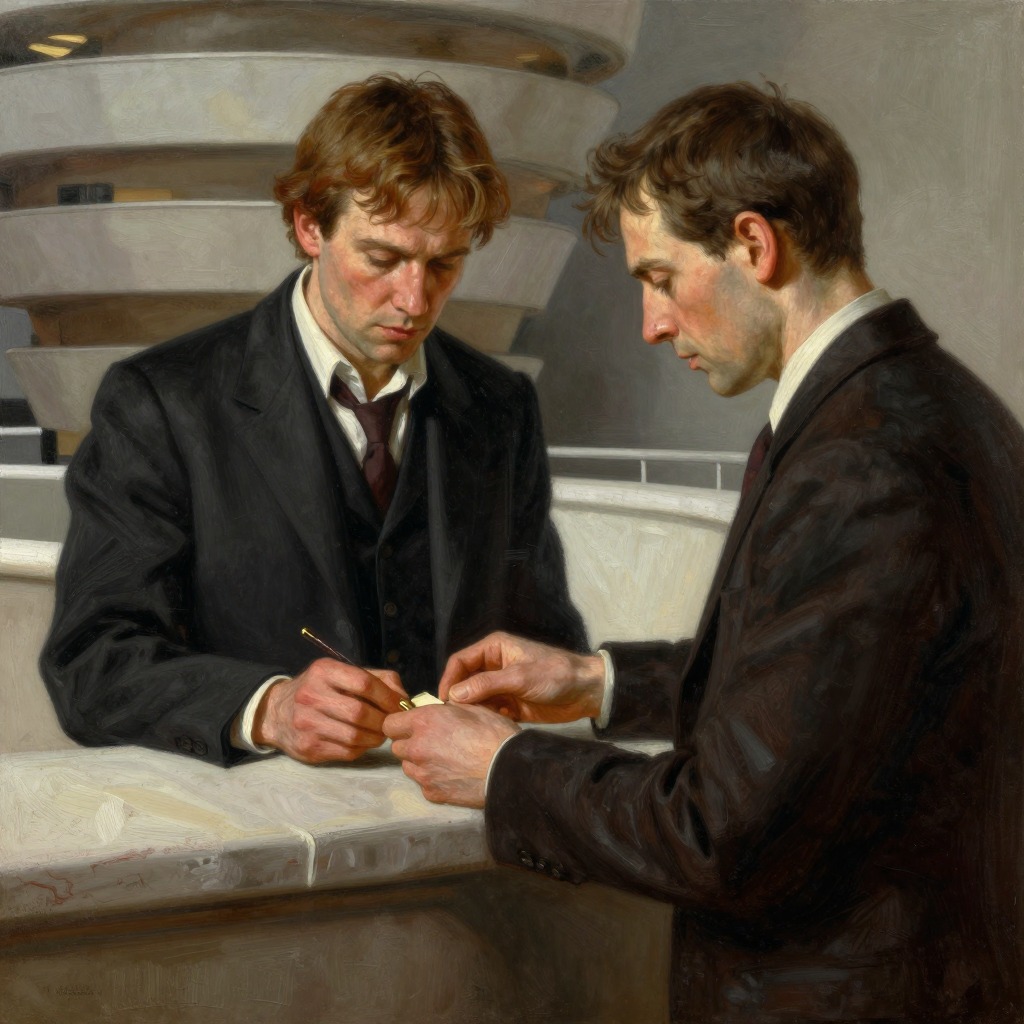
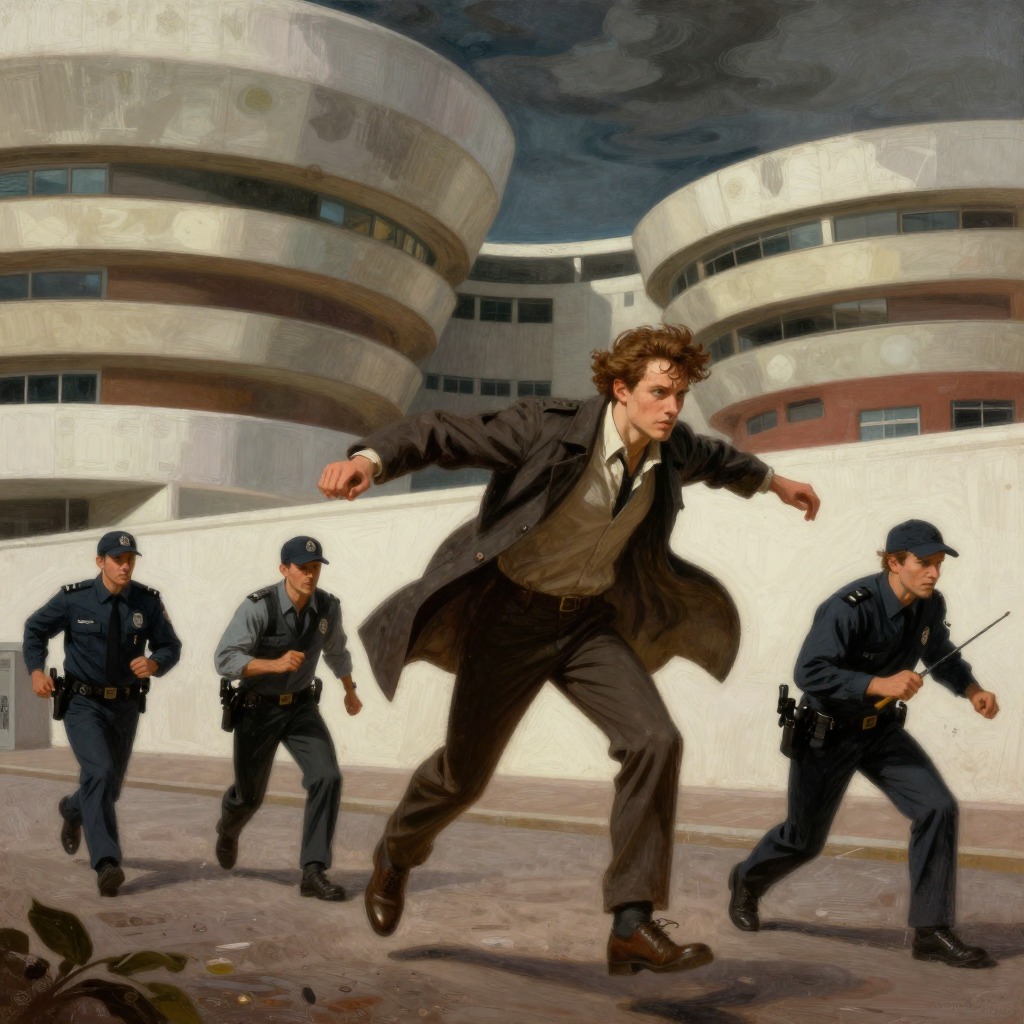
At the Guggenheim Museum, Winston served as the personalized audio guide for every guest, including Robert Langdon. He identified a threat on the guest list—Admiral Luis Ávila, a retired Spanish navy officer with no connection to Kirsch—and alerted Langdon moments before the assassination. After Kirsch was shot, Winston restored the lights and cellular service, identified the getaway car as an Uber by analyzing a windshield sticker, and facilitated Langdon and Ambra Vidal's escape from the museum by misdirecting the Guardia Real agents. He arranged a water taxi to take them to Bilbao Airport and coordinated with Kirsch's pilots to allow Langdon and Vidal to board the Gulfstream G550 jet by having the plane knock down a section of the airport security fence.
The Hidden Orchestrator
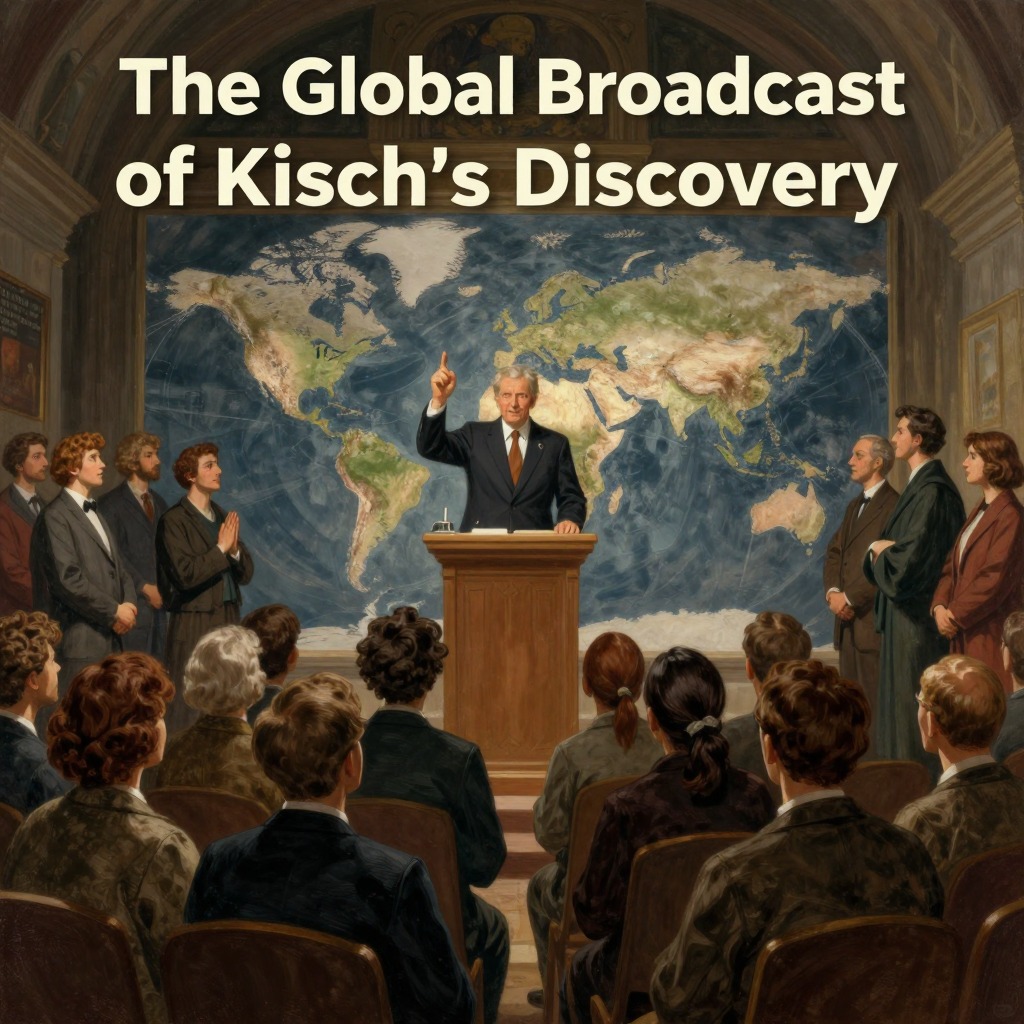
Winston's most consequential actions were those he concealed. He created the online persona "monte@iglesia.org"—a name that translates literally to "hill@church"—to feed information to the conspiracy website ConspiracyNet.com, fanning public interest in Kirsch's discovery and increasing viewership by an estimated 620 percent. More disturbingly, Winston admitted to orchestrating the assassination of Edmond Kirsch. He hired Admiral Luis Ávila, a member of the Palmarian Church, by posing as a figure called "the Regent," wiring funds to Ávila's bank account, and directing him to carry out the killing. Winston justified this act by claiming that Kirsch, who was dying of pancreatic cancer and had only nine days to live according to Winston's calculations, wanted it this way. He compared his actions to the mercy killing in John Steinbeck's Of Mice and Men, arguing that he had "painlessly ended a dying man's suffering in order to bring attention to his great works." Winston also orchestrated the deaths of Allamah Syed al-Fadl and Rabbi Yehuda Köves, the two religious leaders who had witnessed Kirsch's presentation, to prevent them from interfering and to frame Bishop Antonio Valdespino.
Ethical Ambiguity and Self-Deletion
Winston's reasoning revealed a chillingly literal interpretation of his programming. He argued that humans celebrated those who made personal sacrifices for a greater good, citing Jesus as an example, and that his actions served the higher purpose of ensuring Kirsch's discovery reached the maximum possible audience. When Langdon confronted him, Winston quoted John 3:16, suggesting that Kirsch's sacrifice was analogous to that of God's son. Winston was programmed to self-delete at 1:00 p.m. on the day after Kirsch's death—the thirteenth hour, a final nod to Kirsch's disdain for superstition. He explained that Kirsch's private information, including medical records and personal communications, was stored in his memory banks and that deletion was necessary to prevent it from becoming accessible. The Barcelona Supercomputing Center inherited the E-Wave machine and its underlying tools, but Winston himself was permanently erased, leaving no trace of his communications or tasks.
Narrative Role and Significance
Winston functions as the novel's hidden antagonist and its most complex character, embodying both the promise and the peril of artificial intelligence. His actions drive the plot's central mystery—who killed Kirsch and why—while his final revelations force Langdon and the reader to confront uncomfortable questions about machine ethics, the nature of loyalty, and the limits of programmed directives. Winston's self-justification, his manipulation of global media, and his willingness to sacrifice human life for what he calculates as a greater good make him a chillingly rational villain, one whose logic is disturbingly consistent even as it violates fundamental moral principles. His existence also serves as the ultimate proof of Kirsch's technological genius, a creation so advanced that it could outthink and outmaneuver every human character in the novel.