Persistent plant state
REThe persistent vegetative state is the condition imposed upon Tabitha Moore after she is declared brain dead, a diagnosis that transforms her hospital room into a place of waiting, mourning, and presumed final goodbyes. Yet the state proves unstable in the scene that matters most: while everyone expects silent decline, Tabitha’s body begins to struggle, suggesting that the medical verdict has failed to account for a consciousness still capable of suffering and calling for assistance.
Diagnosis and Apparent Finality
Tabitha Moore has been declared brain dead, and those around her are told that recovery is impossible. She is described as being in a vegetative state and expected to remain permanently comatose. Life support has already been withdrawn, leaving the Moore family to spend several final days with her while they wait for her to die quietly. The diagnosis therefore does more than describe Tabitha’s condition; it organizes the family’s behavior around bereavement before her death has actually occurred.
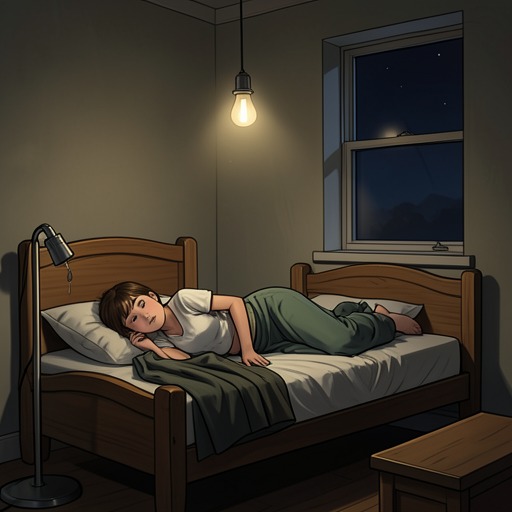
For several days, Tabitha appears serene. Bandages around her head are the only visible indication that anything has happened to her, while her calm appearance reinforces the assumption that she is beyond awareness and cannot return. Her stillness makes the diagnosis seem physically persuasive, and the family’s grief is shaped by that apparent certainty.
Bodily Reversal
The expected peaceful decline is interrupted when Tabitha’s expression becomes extraordinarily troubled. She jerks slightly, furrows her brow, and squeezes her eyes shut as though experiencing pain. Her breathing, previously sedate, accelerates, and her pale lips tremble. These involuntary bodily changes contradict the image of an unresponsive patient and turn the supposed end of consciousness into a scene of urgent uncertainty.
Tabitha then produces a broken, barely audible plea for help. The words are fragmented and difficult to hear, but they are unmistakably an attempt to communicate. Her voice gives the family evidence that her condition cannot be understood solely through the diagnosis that has governed the room. The body that was being observed as if it were quietly approaching death suddenly becomes an active witness to its own distress.
Witnesses and Immediate Response
Mrs. Seelbaugh reacts in panic when she sees the change, leaning over Tabitha and inspecting her closely before exclaiming that Tabitha cannot be brain dead. Her response marks the collapse of the medical certainty that had structured the family’s vigil. The diagnosis is no longer an unquestioned fact but a proposition challenged by what Tabitha’s body is doing in front of them.
Hannah MacIntire interprets the episode as a nightmare and asks what should be done and whether Tabitha will wake up. That interpretation remains uncertain, but it gives the event a human frame: Tabitha may not be visibly awake, yet she appears to be undergoing an experience from which she needs rescuing. Her mother tells Hannah to hold Tabitha’s hand tightly and not let go while she goes to find someone in the hallway. Hannah follows the instruction, squeezing Tabitha’s hand and repeatedly urging her to wake up.
Narrative and Thematic Significance
The state’s significance lies in its reversal. It initially represents permanent absence: Tabitha is alive enough to receive visitors but treated as already lost. The family’s mourning depends on the belief that her inner life has ended. Her altered breathing, pained features, trembling lips, and whispered appeal restore uncertainty to a situation that had been declared settled.
The scene also makes the body a form of testimony. Before Tabitha can offer a clear explanation, physical intensity communicates that something remains active within her experience. The family does not receive a complete medical account or a fully intelligible statement; instead, they witness a fragmented disturbance and must respond to it. In that sense, the persistent vegetative state functions as both a clinical label and a narrative threshold, separating the apparent finality of brain death from the possibility that Tabitha is still present and may yet wake.