Beatrice Lacy
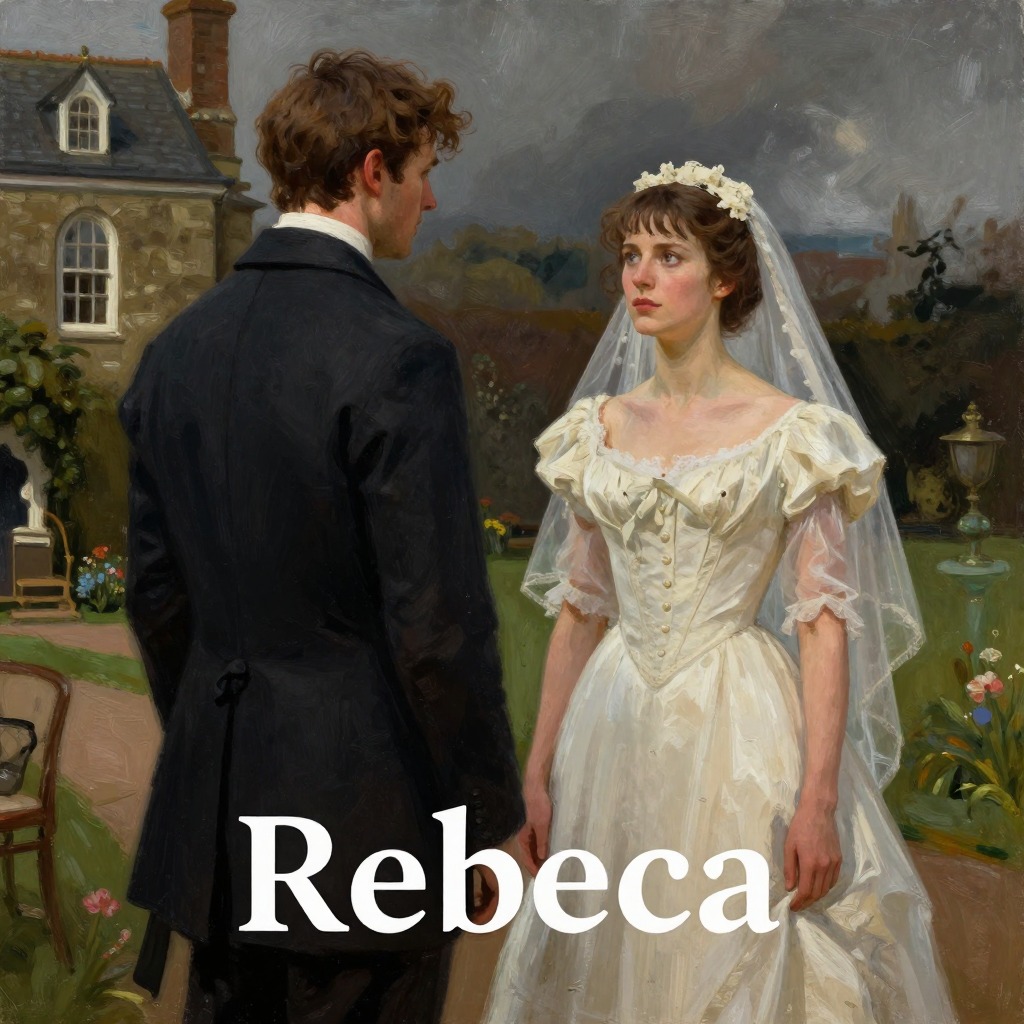
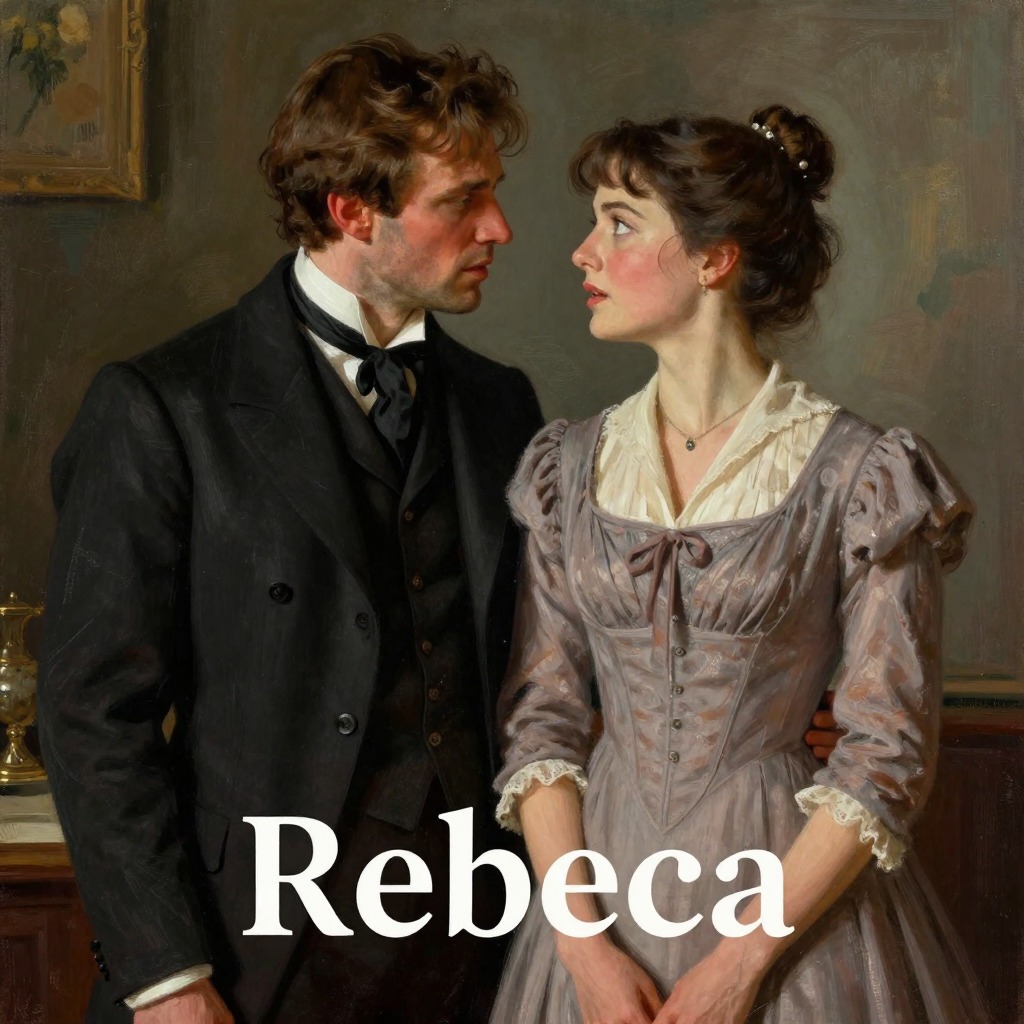
RebeccaBeatrice Lacy, née de Winter, is Maxim de Winter's elder sister, a woman defined by her directness, practicality, and deep, if often tactless, loyalty to her brother. She is the first family member to visit Manderley after Maxim brings his new bride home, and her presence serves as an early, unsettling gauge of the second Mrs de Winter's place in the world she has entered.
Identity and Introduction
Beatrice is introduced as a tall, broad-shouldered, handsome woman, very like Maxim about the eyes and jaw, but far tweedier and more forthright. She is the sort of person who would nurse dogs through distemper, know about horses, and shoot well. Her manner is abrupt and without artifice; she shakes hands firmly and looks people straight in the eye. Upon meeting the new Mrs de Winter, she immediately declares, "Quite different from what I expected. Doesn't answer to your description at all," a remark that, while not malicious, immediately establishes her as a candid and potentially unsettling judge. She is married to Giles Lacy, a genial but unremarkable man, and they have a son, Roger, who is going up to Oxford.
Arc Through the Plot
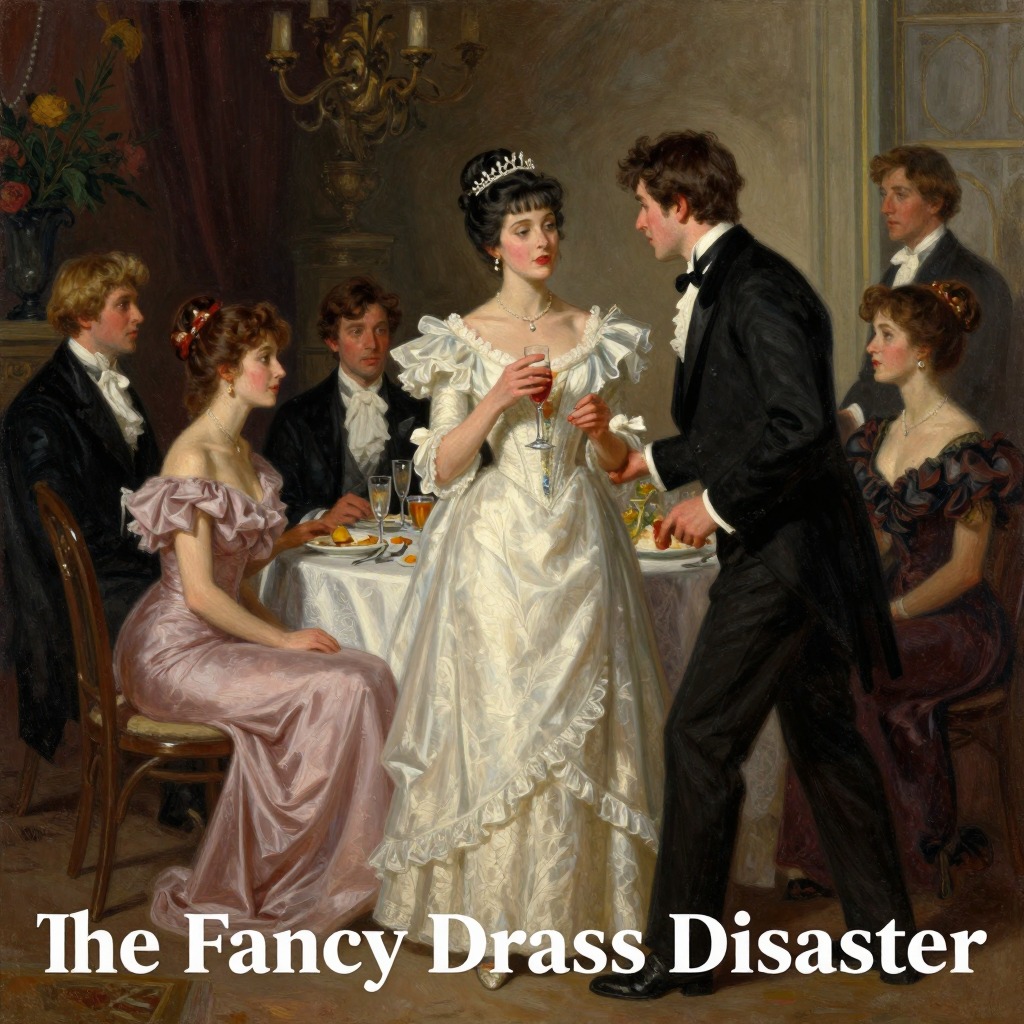
Beatrice's role is that of a periodic, critical observer. Her first visit, on the day after the couple's return from their honeymoon, is a strain for everyone. She openly discusses Maxim's poor health from the previous year, a subject he clearly resents, and her probing questions about the new marriage make the second Mrs de Winter acutely aware of her own inadequacies. Later, Beatrice takes the new Mrs de Winter to visit their nearly blind grandmother, an outing that ends in disaster when the old lady, confused, asks for Rebecca and fails to recognize Maxim's new wife. This incident deepens the narrator's sense of being an outsider. Beatrice's most significant intervention comes after the fancy dress ball, when she is the first to realize the terrible mistake: the new Mrs de Winter has unknowingly copied the exact costume Rebecca wore to the last ball. She tries to comfort the distraught narrator, but her practical advice to "put on this charming blue" and come down to face the guests reveals her inability to grasp the depth of the emotional catastrophe.
Relationships and Conflict
Beatrice's relationship with Maxim is one of affectionate but constant bickering. She admits they "always bicker like cat and dog when we meet," and Maxim finds that "a little of my family goes a very long way." She is critical of his health, his choices, and his new wife's appearance, telling the narrator her hair is "lanky" and that she ought to get proper clothes. Despite this, her concern for Maxim is genuine; she was deeply worried about him after Rebecca's death and is relieved to see him looking better. Her relationship with the second Mrs de Winter is complex. She is kind and sincere, but her every comment—from the first "you're so very different from Rebecca" to her later advice on clothes and bridge—reinforces the narrator's sense of inferiority. Beatrice represents the unspoken, conventional judgment of the county, a world that measures the new bride against the memory of the old one.
Change and Ending
Beatrice does not undergo a personal transformation; her character remains consistent throughout the novel. Her final appearance is a telephone call after the inquest, where she is outraged by the suicide verdict and proposes absurd theories (such as a Communist plot) to explain the holes in Rebecca's boat. Her inability to grasp the true horror of the situation underscores her role as a representative of the oblivious, well-meaning, but ultimately uncomprehending outside world. She is last heard of in quarantine with her son Roger, who has measles, physically and symbolically separated from the final crisis at Manderley.
Thematic Significance
Beatrice embodies the theme of social judgment and the pressure of the past. She is the living voice of the county, the person who first articulates the devastating comparison that haunts the narrator: "She's so different from Rebecca." Her bluntness, while not cruel, constantly reminds the second Mrs de Winter of her perceived failings. Beatrice also represents the conventional, unromantic marriage—she and Giles have been married for twenty years and are "very happy"—a stark contrast to the tortured, secretive union of Maxim and his new wife. Through Beatrice, du Maurier explores the power of unspoken social codes and the way even well-intentioned family can, through their very ordinariness, deepen a protagonist's isolation and despair.