Giles Lacy
RebeccaGiles Lacy is the husband of Beatrice Lacy, Maxim de Winter's sister, and thus the brother-in-law of both Maxim and the second Mrs de Winter. A solid, unreflective country squire, he embodies the conventional, sport-obsessed world of the English county gentry that the narrator finds both alien and intimidating. His appearances in the novel are brief but revealing, serving as a foil to Maxim's intensity and as a barometer of the social pressures that weigh on the narrator.
Identity and Introduction
Giles is introduced during the first lunch at Manderley, shortly after the narrator's arrival as a bride. He is described as having an "enormous paw" that wrings the narrator's hand, "genial eyes smiling from behind horn-rimmed glasses," and a physique that Beatrice bluntly calls "repulsive" beside Maxim's. His primary concerns are food, sport, and hearty good cheer; he is more interested in the soufflé than in conversation, and his remarks are often clumsy or inappropriate. He is a man of few words and simple pleasures, entirely at home in the world of hunting, shooting, and cricket that defines his social circle.
Role in the Plot
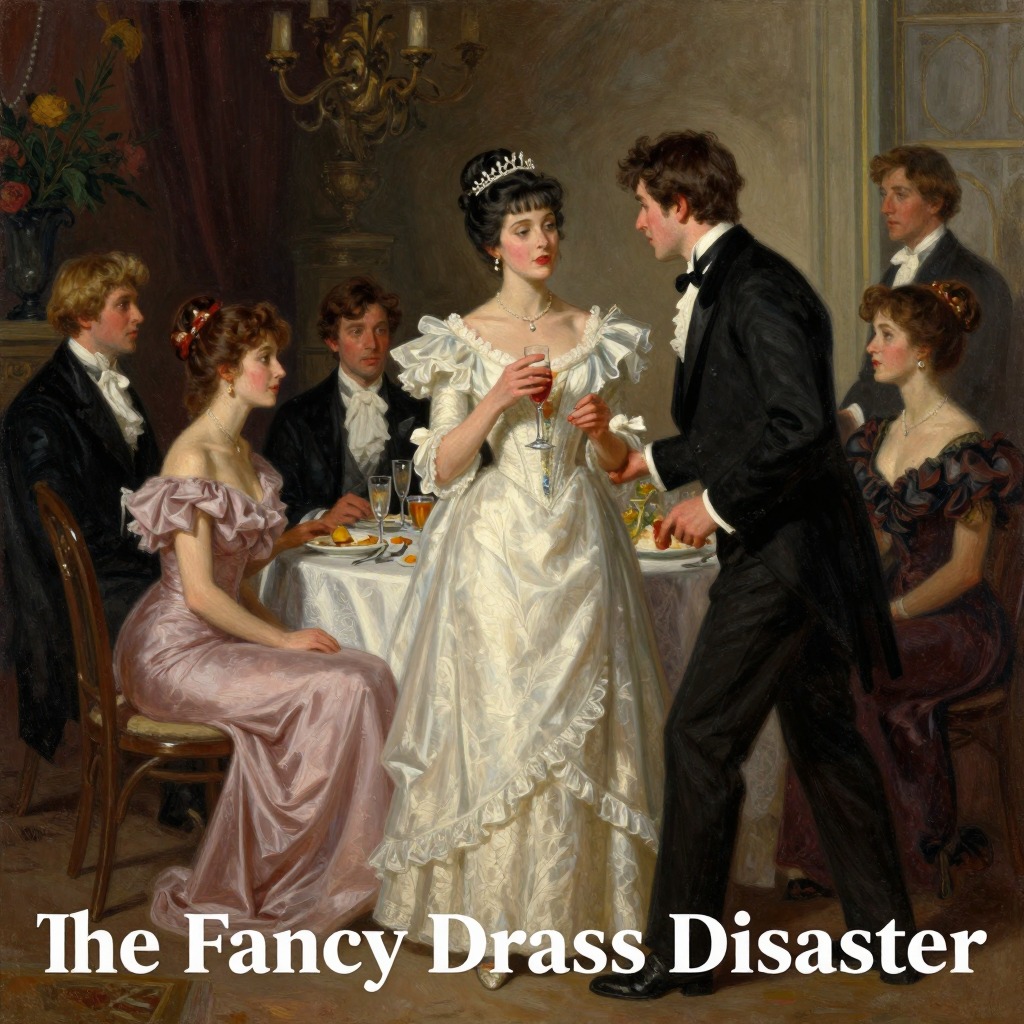
Giles's main function is to participate in the family gatherings that expose the narrator's insecurity. At the first lunch, his presence, along with Beatrice and Frank Crawley, forces the narrator to confront her own awkwardness and the unspoken comparisons to Rebecca. He later appears at the Manderley fancy dress ball, dressed as an Arabian sheik, his face painted and his glasses removed, a costume that Maxim derides. During the ball, Giles, with "dog-like sympathy and kind heart," insists on dancing with the narrator, steering her through the crowd and offering the clumsy but sincere compliment that her blue dress "makes all these people look damn silly." This moment of kindness, however, only highlights the narrator's isolation and the artificiality of the celebration.
Relationships and Conflict
Giles's relationship with Maxim is one of tolerant, slightly strained brotherly affection. Maxim finds him tiresome, and the two men have little in common. Giles's wife, Beatrice, is the dominant partner in the marriage, and their dynamic is one of comfortable, middle-aged routine. The narrator observes that Beatrice could never have been in love with Giles, a thought that reflects her own anxieties about her marriage to Maxim. Giles himself is oblivious to the tensions around him, his good-natured obtuseness making him an unwitting source of both comfort and embarrassment.
Change and Ending
Giles undergoes no significant change or development. He remains a static figure, a representative of the unchanging social order that the narrator must learn to navigate. After the ball, he and Beatrice return home, and his role in the story is effectively over. His final mention comes when Beatrice telephones the narrator after the inquest, reporting that Giles agrees with her that the suicide verdict is "preposterous" and that the holes in the boat must have been made by rocks or a Communist. This absurd suggestion underscores his complete inability to grasp the true horror of the situation.
Thematic Significance
Giles Lacy embodies the conventional, unreflective masculinity and the social complacency of the English landed gentry. His presence reinforces the narrator's sense of being an outsider in a world where everyone seems to know their place and their role. He is a foil to Maxim's tortured complexity, and his simple, hearty nature highlights the gulf between the surface of Manderley life and the dark secrets that lie beneath. His well-meaning but clumsy kindness at the ball is one of the few gestures of genuine sympathy the narrator receives, yet it is also a reminder of how little anyone truly understands her predicament.