Maxim de Winter
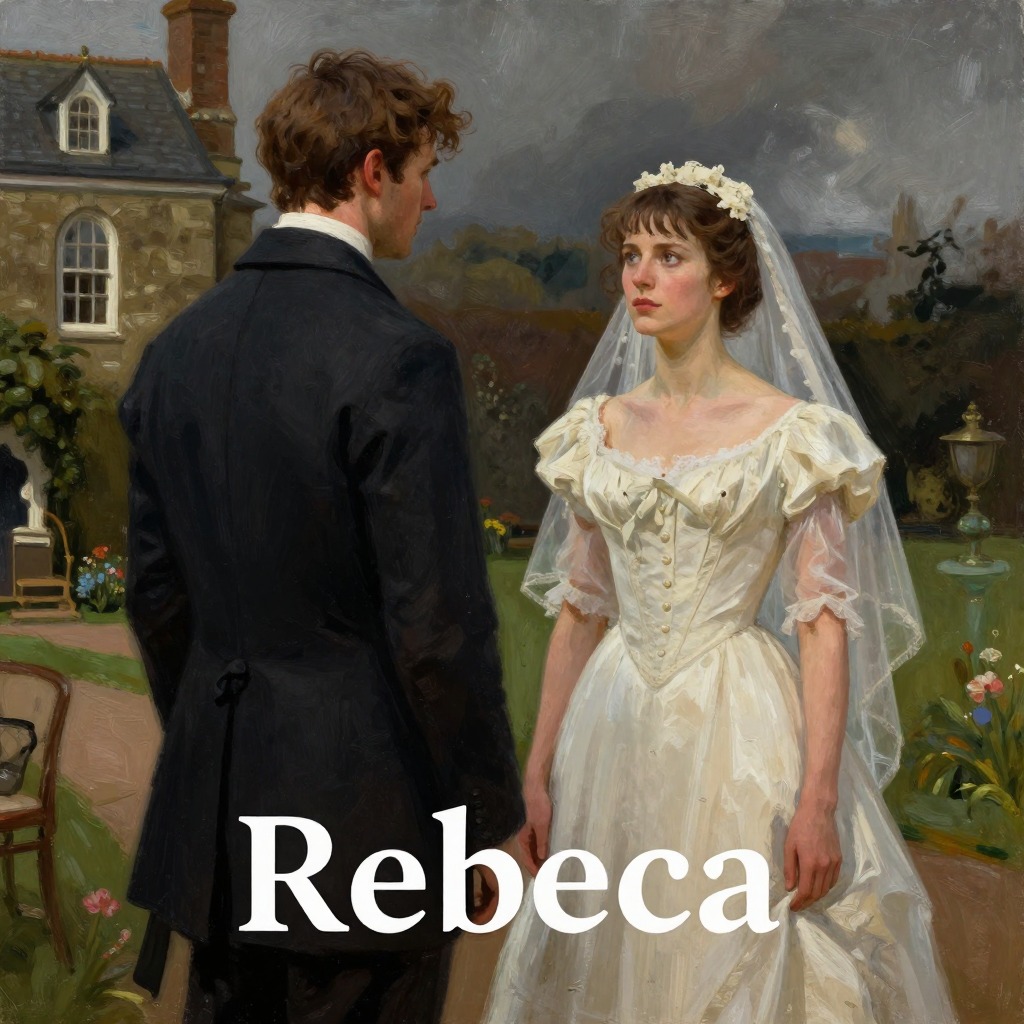
RebeccaMaxim de Winter, the master of Manderley, is a figure of profound contradiction: outwardly a wealthy, reserved English gentleman, inwardly a man driven to murder by a marriage that was a living hell. His identity is forged in the crucible of his first marriage to Rebecca, a woman he describes as "vicious, damnable, rotten through and through" and "not even normal." He married her believing she was the ideal wife—beautiful, accomplished, and charming—but discovered within five days that she was a manipulative, promiscuous woman who despised him and all men. Their marriage became a sordid bargain: she would run Manderley and maintain the facade of a happy couple, while he would tolerate her secret life in London and her affairs. This pact, born of his obsessive love for his ancestral home, trapped him in a decade of shame and silent rage.
Life and Plot Trajectory
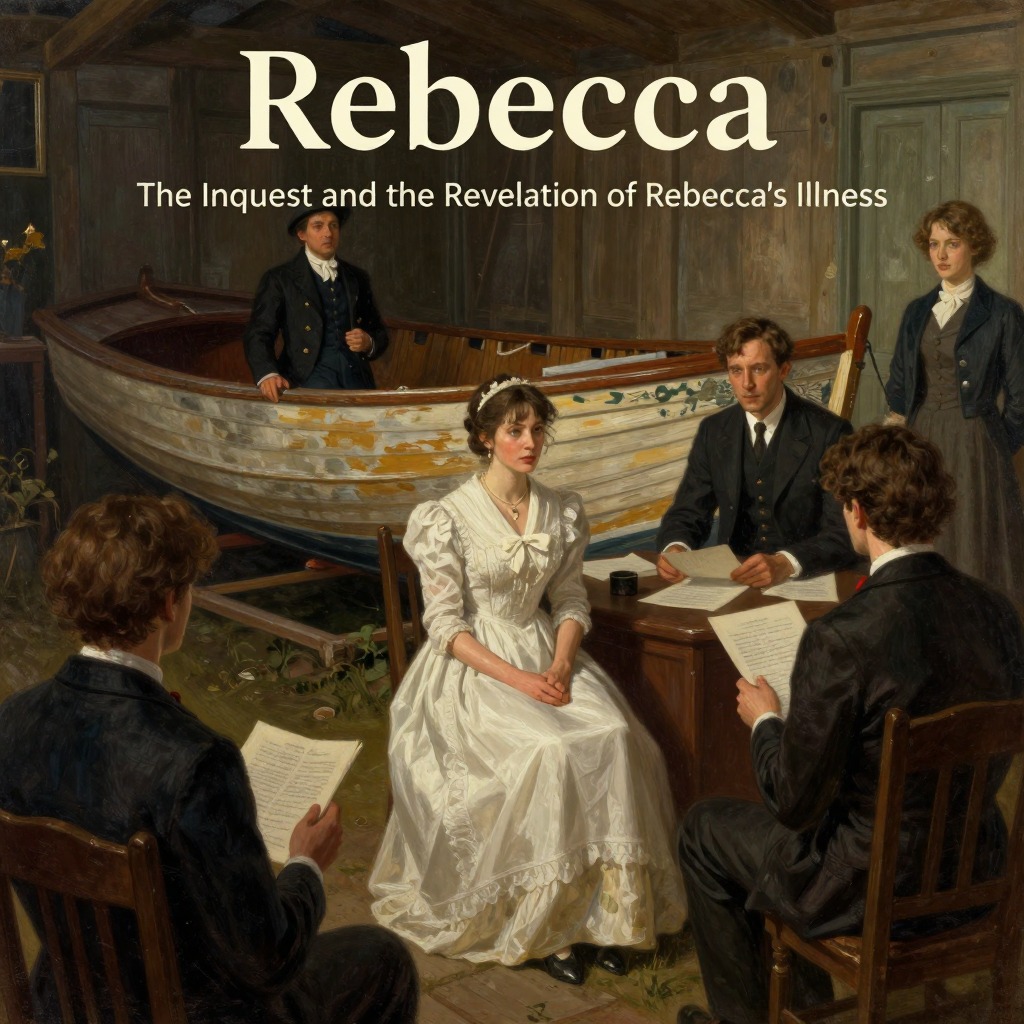
Maxim's life is defined by the murder of Rebecca and its aftermath. On the night she told him she was pregnant with another man's child—a child that would inherit Manderley—he shot her in the cottage on the beach. He then sank her body in her boat, Je Reviens, in the bay, and later identified a different, unrecognizable corpse as hers. For a year he lived in a state of suspended dread, waiting for discovery. His marriage to the second Mrs de Winter, a shy, inexperienced young woman he met in Monte Carlo, was an attempt to escape this past. He tells her, "You have blotted out the past for me, you know, far more effectively than all the bright lights of Monte Carlo." Yet the past returns when a stranded ship leads a diver to Rebecca's boat, and her body is found. The subsequent inquest, threatened by the blackmail of Rebecca's cousin Jack Favell, is resolved only when it is revealed that Rebecca was terminally ill with cancer and had likely provoked Maxim into killing her as a final, cruel joke.
Key Actions and Objectives
Maxim's primary objective throughout the novel is to protect Manderley and to preserve the secret of Rebecca's murder. His actions are driven by this dual compulsion. He marries the narrator impulsively, partly out of loneliness but also because her innocence and lack of connection to his past offer a chance at a new life. He is fiercely protective of Manderley, forbidding Favell from the estate and reacting with violent anger when the narrator unwittingly wears Rebecca's costume to the fancy dress ball. His most decisive action is the murder itself, which he describes in harrowing detail: "I fired at her heart. The bullet passed right through. She did not fall at once. She stood there, looking at me, that slow smile on her face, her eyes wide open..." After the confession, his objective shifts to survival and to shielding his wife from the consequences of his crime.
Relationships and Conflict
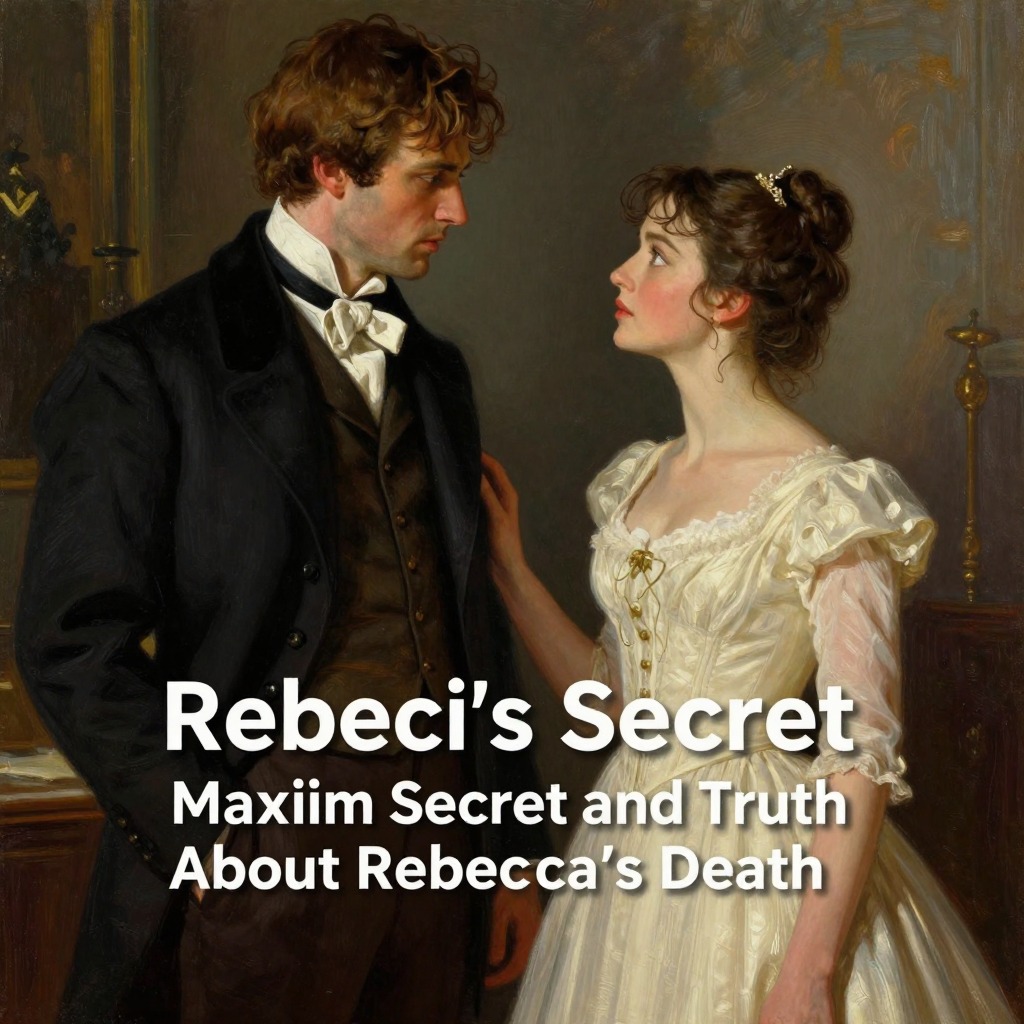
Maxim's relationships are all colored by his experience with Rebecca. With his sister Beatrice, he maintains a strained, bickering affection, but he resents her tactless reminders of his past health and his marriage. With Frank Crawley, his agent, he has a loyal but guarded friendship; Frank suspects the truth but never speaks of it. The central conflict is with his second wife, whom he keeps at a distance, believing she is unhappy and that he is too old for her. He misreads her shyness as boredom, and she misreads his reserve as continued love for Rebecca. The narrator reflects, "Whenever you touched me I thought you were comparing me to Rebecca." The confession shatters this barrier, and for the first time they are truly united. His conflict with Favell is one of open hatred; he physically strikes him and refuses his blackmail, ultimately forcing a confrontation that leads to the truth about Rebecca's illness.
Change and Ending
Maxim undergoes a profound transformation over the course of the novel. He begins as a remote, tortured figure, described by the narrator as "like someone mediaeval who lived within a frame." His confession to the murder is a catharsis that strips away his persona of the composed gentleman, revealing a man capable of both terrible violence and desperate love. After the inquest, he is exhausted but free from the burden of secrecy. He tells his wife, "We'll start again, once this thing is behind us. We can do it, you and I." The novel ends with them driving back to Manderley, only to see the sky lit red by a fire that consumes the house. This final destruction of Manderley, the object of his lifelong devotion, completes his arc, severing him from the past and leaving him with only his wife.
Narrative Role and Evaluation
Maxim is the tragic hero of Rebecca, a man whose love for his home and his hatred for his first wife lead him to murder. He is also the catalyst for the narrator's growth, forcing her to shed her childish insecurities and become his partner in facing the truth. His character embodies the novel's central themes: the destructive power of the past, the corrosive nature of secrets, and the possibility of redemption through love. His confession is the novel's emotional climax, and his eventual vulnerability makes him a deeply sympathetic figure despite his crime. The novel's famous opening line, "Last night I dreamt I went to Manderley again," is his wife's dream, but it is Maxim's story—his guilt, his suffering, and his eventual liberation—that gives the dream its haunting power.