Panovo
ResurrectionPanovo, the country estate of Nekhludoff's aunts, Sophia Ivanovna and Maria Ivanovna, is the foundational location of the novel's moral drama. It is the place where the young, idealistic Prince Dmitri Ivanovitch Nekhludoff first encountered Katusha Maslova, then a half-ward, half-servant known as Katusha, and where he later, as a depraved officer, seduced and abandoned her. The estate thus serves as the geographical origin of the sin that drives the entire narrative of Resurrection.
Identity and Setting
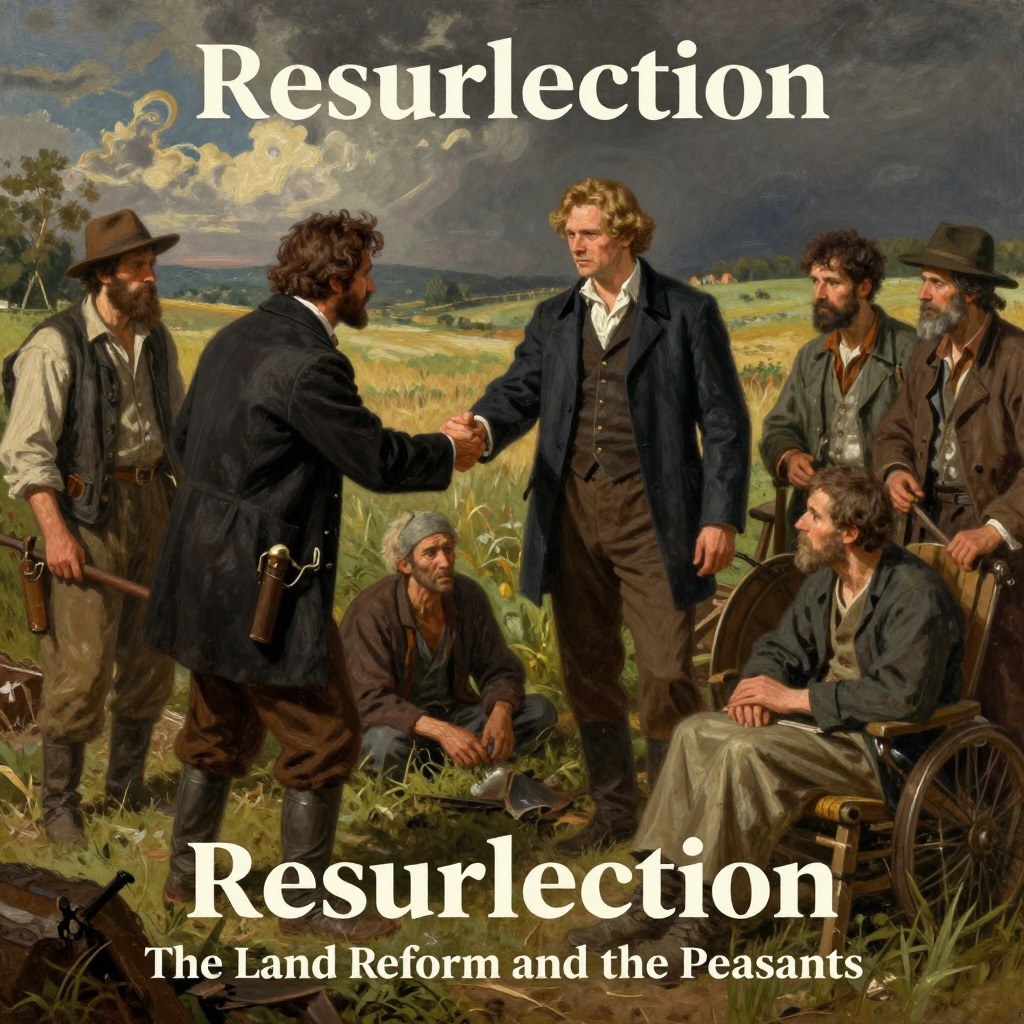
Panovo is a secluded, old-fashioned estate where Nekhludoff spent the summer of his third university year, preparing an essay on land tenure. The estate is characterized by its quiet, rural simplicity, with a river under a hill, fields, woods, and a garden with lilac bushes. It was here that Nekhludoff, then a pure and honest youth, first read Spencer and Henry George and resolved to give his inherited land to the peasants. The estate's atmosphere of peace and natural beauty is sharply contrasted with the moral corruption that later unfolds there.
The First Meeting and Pure Love
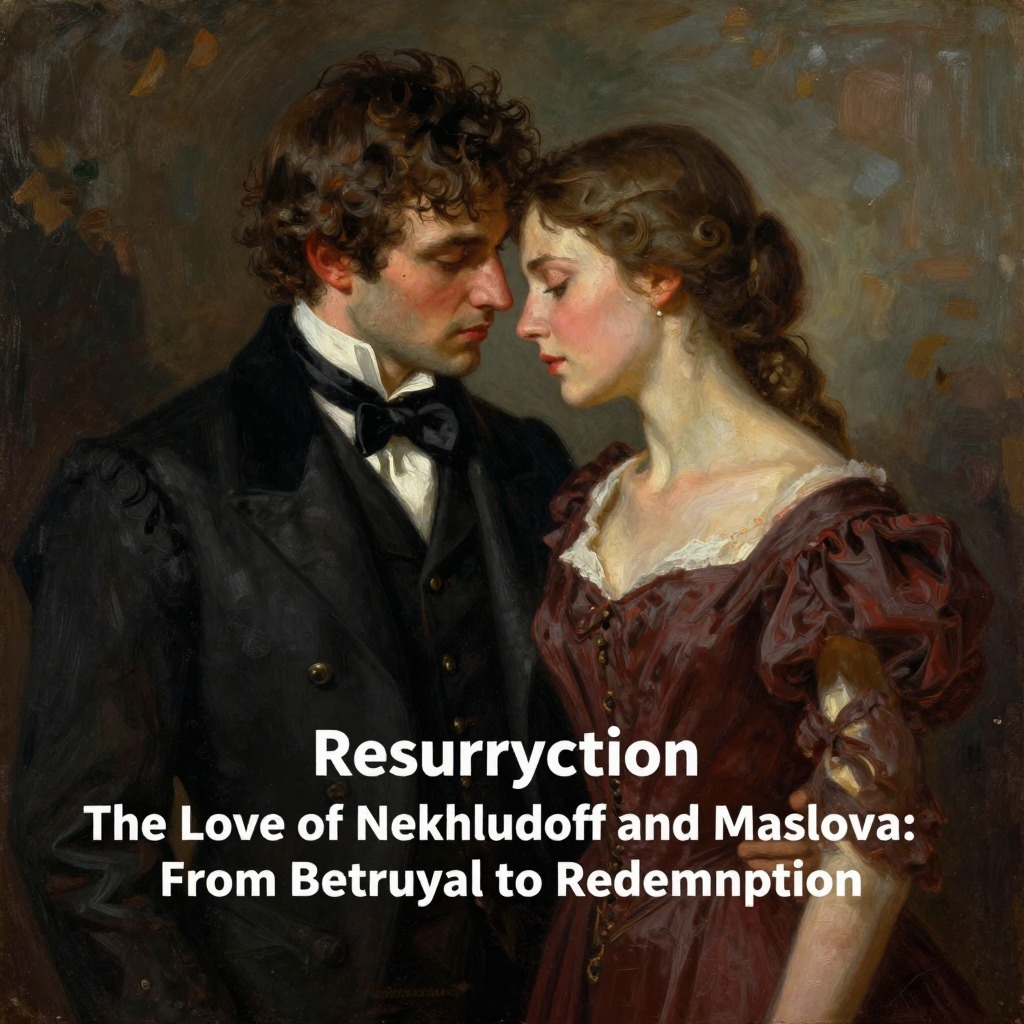
During that first summer, Nekhludoff's relationship with Katusha was one of innocent, chaste love. Their first kiss occurred behind a lilac bush during a game of gorelki on Ascension Day. Nekhludoff gave her books by Dostoievsky and Tourgeneff, and they talked in the presence of the old servant Matrona Pavlovna. The memory of this pure love, especially of the Easter eve mass and the subsequent kiss in the churchyard, becomes a painful, idealized contrast to his later actions. Nekhludoff later recalls that on that Easter eve, Katusha's love was “unconscious, unreasoning, and with nothing sensual about it,” a moment of perfect spiritual union that he destroyed.
The Betrayal and Its Aftermath
Three years later, Nekhludoff returned to Panovo as a changed man, a depraved officer in the grip of his “animal man.” Over the course of a few days, he systematically pursued Katusha, culminating in a night of seduction. The next morning, he gave her a 100-rouble note, an act he immediately felt was base and cowardly. This betrayal set Katusha on the path that led to prostitution, imprisonment, and her trial for poisoning. The estate is thus the site of the original sin that the novel seeks to redeem. Katusha herself later recalls the “old days in Papovo” (another name for the estate) when Nekhludoff tries to remind her of their past, but she initially rejects these memories as too painful.
Change and Ending
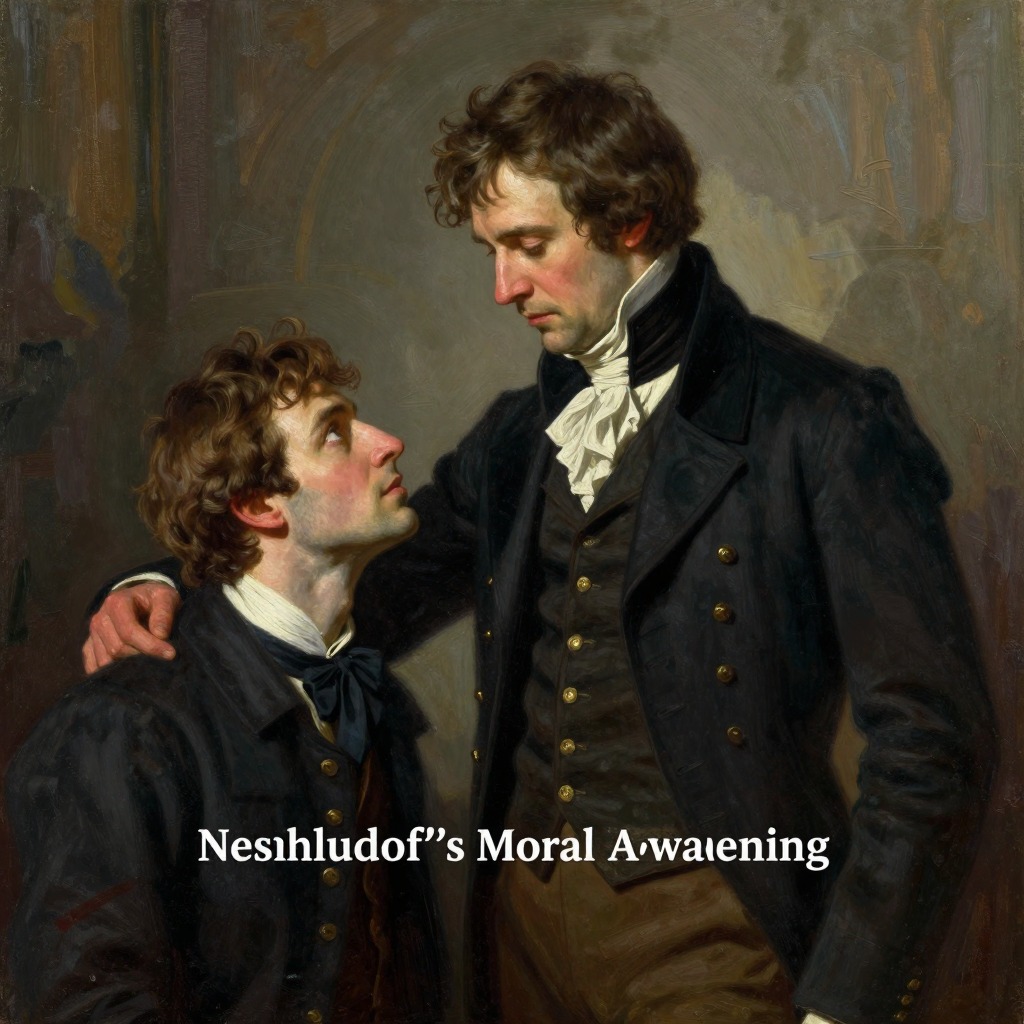
Years later, Nekhludoff returns to Panovo to settle his aunts' affairs and to learn the fate of Katusha's child. He finds the estate in a state of decay, with rusted roofs, rotten porches, and boarded-up windows, a physical manifestation of the moral decay that began there. In the bottom drawer of a mahogany wardrobe, he finds an old photograph of the group, including Katusha, which he later gives to her in prison. The visit to Panovo, and his encounter with the desperate poverty of the peasants living on the estate, solidifies his resolve to give up his land and to follow Maslova to Siberia. The estate, once a place of innocence and then of sin, becomes the catalyst for his final, decisive moral awakening.
Thematic Significance
Panovo functions as a chronotope of threshold and crisis. It is the place where Nekhludoff's spiritual and animal selves first come into conflict, and where the consequences of that conflict are set in motion. The estate's transformation from a site of pastoral idealism to one of decay and painful memory mirrors Nekhludoff's own moral journey. It is the inescapable origin point of his guilt, and the place he must return to in order to fully understand the magnitude of his sin and the necessity of his atonement.