Landon Chestnut
SpontaneousLandon Chestnut is a former police detective and one of the investigators at Duan Jeffries’s Peachtree Private Investigative Firm. His history with the unsolved disappearances of Edward Villarosas’s two wives makes him central to the renewed inquiry into Villarosas, while his own bereavement gives his dedication to work a personal cost. In both the investigation and his friendship with Duan, Landon is persistent: he returns to a case that once defeated him and urges his friend not to mistake sacrifice for love.
Identity and Career
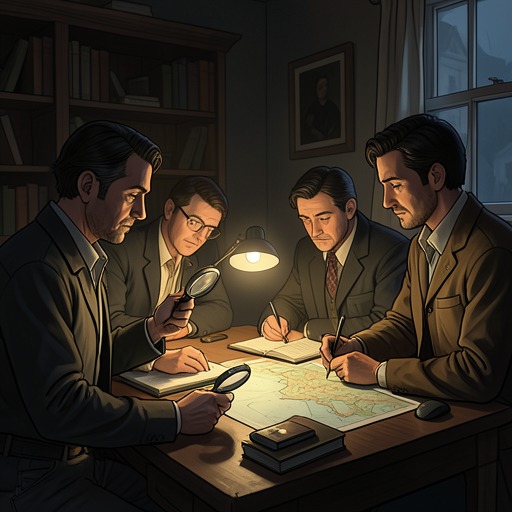
Landon and Duan began their police careers together, entering the academy at the same time and eventually becoming detectives. Duan was the first to leave the department and establish his own investigative business; Landon followed him. Brett Newman and Chevis Fleming joined the firm within another year, and Antron Blair later came aboard after an undercover operation as an FBI agent nearly cost him his life. With cases and travel often keeping the investigators apart, all five being together at the office was unusual.
The firm’s work gives Landon a role that bridges his police past and his present as a private investigator. When Duan is traveling, Landon is one of the colleagues he can reach at the office: on a Sunday afternoon, Landon answers Duan’s call on the third ring. The familiarity between them is easy, but their shared professional history also carries the weight of a case Landon has never managed to put behind him.
The Villarosas Case and Its Return
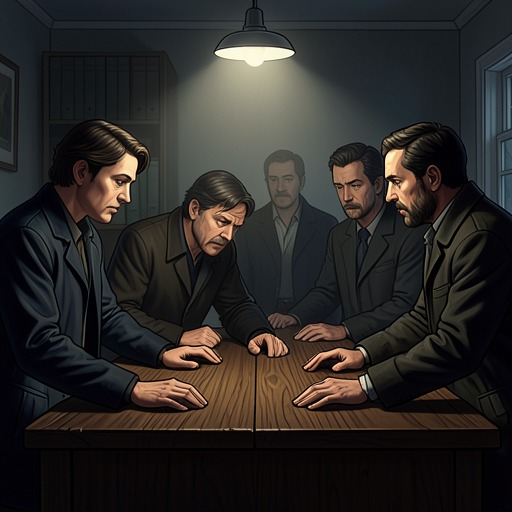
The original Villarosas investigation fell to Landon after Duan had already left the police force and was starting the firm. Two of Villarosas’s wives disappeared, five years apart, but investigators could find nothing connecting him to either disappearance. The inquiry repeatedly reached dead ends; there were no bodies, and no evidence that resolved the case. Landon was left with the possibility that Villarosas was guilty and had concealed his tracks, but not the proof to establish it.
The case was not merely a professional frustration. Duan remembered the grief and disappointment Landon experienced each time the investigation stalled. Landon’s failure to solve it was one reason he eventually left the force and joined Duan’s firm. Years later, he tells Duan that he does not think he will ever forget Villarosas. The return of the name is therefore more than a new lead: it reopens a failure that helped shape Landon’s career.
Duan raises the case again after learning that Villarosas is about to marry Kimani Cannon’s mother. Landon reacts strongly to the prospect that the same man may be involved, and the firm begins pursuing corroborating evidence rather than treating suspicion as a conclusion. In one line of inquiry, Chevis Fleming seeks to identify the man Mandy Villarosas was supposedly flirting with at a club on the night she disappeared. A woman’s report mentioned that a class reunion party was also taking place there, suggesting that photographs might exist. Chevis plans to track down attendees and look for pictures, even though ten years have passed. The detail shows how the investigation moves from an old, unresolved accusation toward specific avenues that might yield evidence.
Landon also interviews Villarosas’s former girlfriend. She supports an account from more than twenty years earlier, describing Villarosas as intensely jealous and saying he threatened to get rid of her when he believed she was unfaithful. She says she left because she was exhausted by his false accusations and threats and believed he might carry them out. The allegation is a significant corroborating lead, but it remains distinct from the later confession obtained by Chevis from Stein Green, who admits that Villarosas hired him to get rid of both wives because he believed they had been unfaithful.
Work, Loss, and Grief
Landon’s commitment to the firm is also linked to a personal tragedy. Nearly four years before the later events, his fiancée, Simone, died two days before their wedding. She and two bridesmaids were riding together after a bachelorette party when a drunk driver ran a traffic light. The collision was so severe that both vehicles caught fire, killing everyone involved. The wedding that should have marked a new beginning instead became the point around which Landon’s grief persists.
Duan finds Landon still at the office just after midnight and recognizes that this has been his pattern since Simone’s death. Landon jokes that Duan will sound like his mother if he worries too much about Landon not having a life, then turns the conversation toward something useful he has found online. The exchange holds grief and competence side by side: Landon’s continued work is visible, but the narrative does not claim that work has relieved his loss. His late hours show how enduring that loss is, while his immediate return to the investigation shows how readily he remains engaged with the people and cases around him.
Friendship with Duan
Landon’s relationship with Duan extends beyond their shared career. He understands the emotional difficulty Duan carries from his own family history, and when Duan speaks about loving Kimani, Landon challenges his decision to keep that love to himself. Duan believes Kimani’s medical-school dream should take precedence and fears becoming another person who takes it away from her. Landon counters that she can still attend medical school and that two people who love one another can work through the practical difficulty, including a long-distance relationship.
His advice does not erase Duan’s conflict or decide Kimani’s future for her. Instead, Landon presses him to let Kimani know what he feels rather than choosing on her behalf. That counsel echoes Landon’s own history of loss without equating the two situations: he speaks from a life marked by a wedding that never happened, yet encourages his friend not to let fear and anticipated separation make the decision for them.
Narrative Role
Landon connects the investigation’s past to its present. The original case explains why the investigators remember Villarosas, why Landon’s response is personal, and why reopening the inquiry requires more than a hunch. His conversations and investigative work help carry the case from the history of dead ends toward new testimony and a suspect’s admission, while still distinguishing allegations from evidence.
At the same time, Landon’s own story prevents him from functioning only as a professional resource. Simone’s death and his habit of staying at the office reveal the private cost behind his dependable presence. His directness with Duan gives that experience a further purpose: Landon cannot undo his own loss, but he can urge his friend to speak honestly and leave room for love and ambition to coexist.