
The Theme of Providence and Divine Justice
The Count of Monte CristoExamines how the novel presents the idea of a higher power guiding events to punish the wicked and reward the good.
increasing Bearing strength in each event
 decreasing
Bearing strength in each eventdecreasingDantes' Suffering as a Test
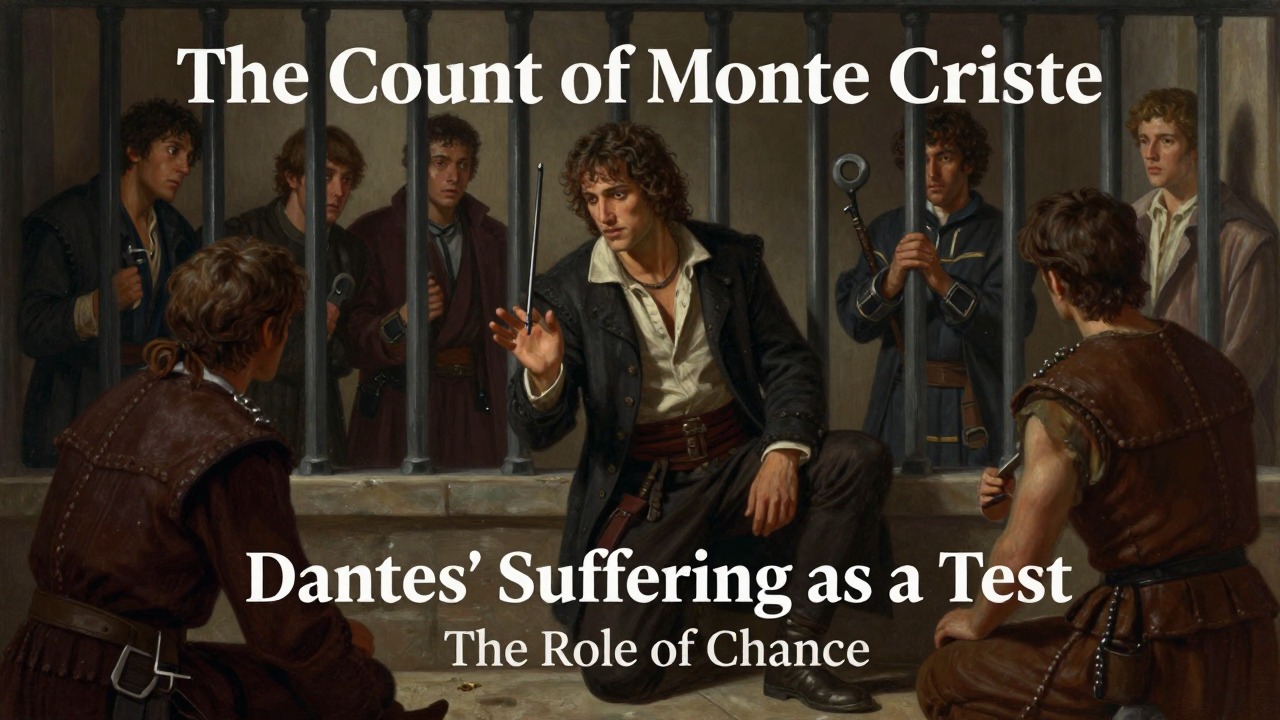
Dantes' Suffering as a Test
Unjust Imprisonment
Dantes is an innocent man thrown into prison. His suffering seems meaningless, but the novel suggests that it is part of a divine plan. He emerges from prison with a mission to punish evil.
The Role of Chance
Many events in the novel appear to be coincidences: Dantes meeting Faria, finding the treasure, and encountering his enemies. Yet these are presented as the workings of Providence.
Monte Cristo as Agent of Providence
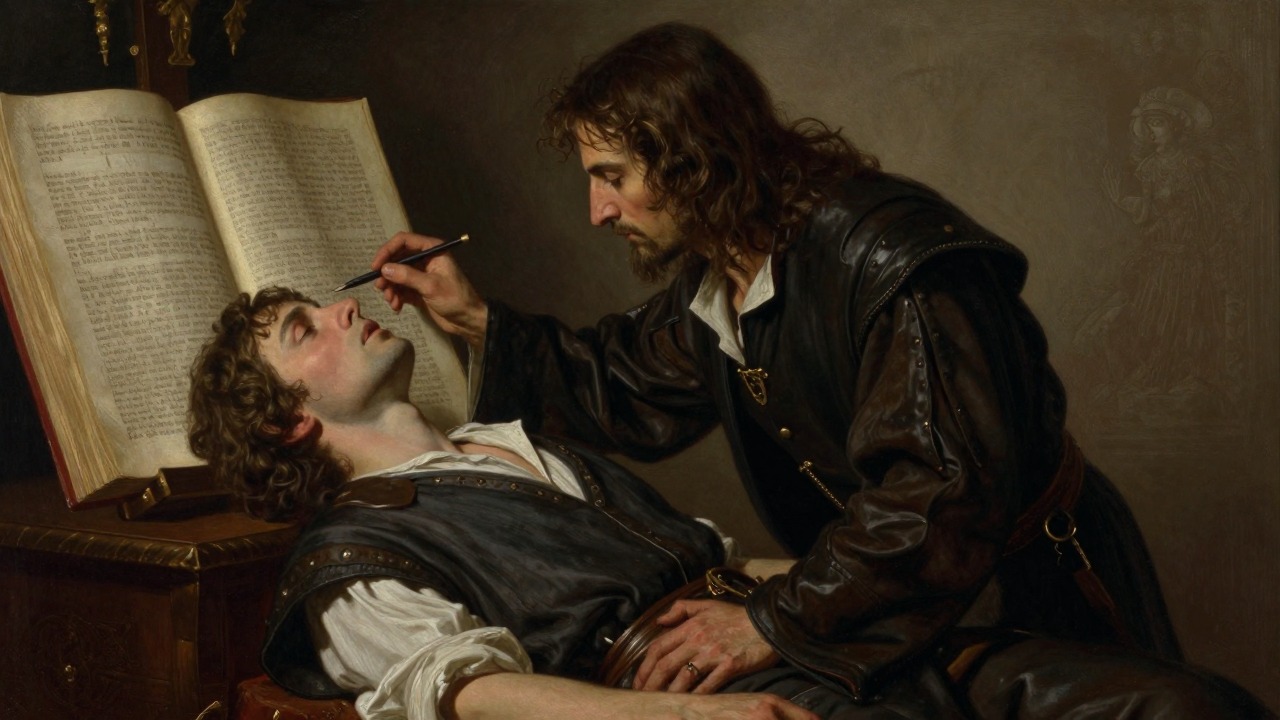
Monte Cristo as Agent of Providence
The Avenger
Monte Cristo believes he is an instrument of divine justice. He systematically destroys those who wronged him, but he also begins to question his role when innocent people suffer.
The Limits of Vengeance
When he sees the death of Edward and the madness of Villefort, Monte Cristo realizes that he has overstepped. He starts to believe that he should not be the judge of others. He leaves the final judgment to God.
Forgiveness and Mercy
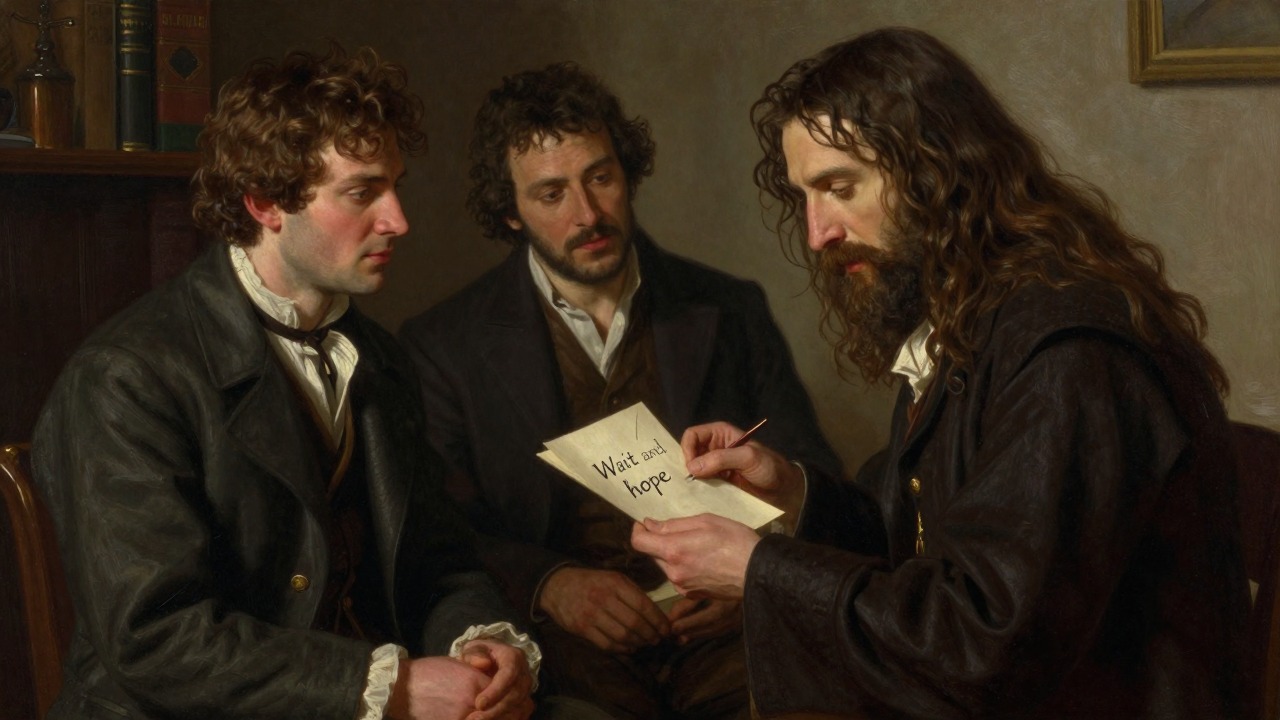
Forgiveness and Mercy
The Final Act
Monte Cristo forgives Danglars and leaves him with a small sum. He also saves Maximilian and Valentine, allowing them to be happy. His final letter emphasizes the words "Wait and hope," suggesting that divine justice is ultimately merciful.
The Novel's Message
The novel concludes that Providence works in mysterious ways, but that goodness and patience are rewarded. The theme of waiting and hope is central to the moral of the story.
1815 – 1829
1838 – 1839
October 1839
