Chateau d'If
The Chateau d'If is the dark, inescapable heart of Edmond Dantes' suffering and the crucible of his transformation. A grim fortress built on a barren rock a league from Marseilles, it serves as a state prison for political prisoners, a place from which, as the narrative makes brutally clear, no one is meant to return alive. For Dantes, it is the site of his wrongful incarceration, his encounter with the Abbe Faria, and the forge in which his identity is shattered and remade.
Identity and Setting
The Chateau d'If is a fortress-prison situated on a small, rocky island in the Mediterranean, a league from the port of Marseilles. It is first sighted by Dantes on the night of his arrest, when he is taken by boat from the city. The structure is described as a "gloomy fortress" that has "for more than three hundred years furnished food for so many wild legends." To Dantes, it appears "like a scaffold to a malefactor." The prison is divided into cells and dungeons; the most dangerous prisoners are kept in the lower dungeons, which are described as "so foul, so humid, so dark, as to be loathsome to sight, smell, and respiration." The prison has no cemetery; the bodies of dead prisoners are simply thrown into the sea with a thirty-six-pound cannonball tied to their feet, a practice that gives the sea its grim nickname: "the cemetery of the Chateau d'If."
Dantes' Imprisonment and Suffering
Dantes is thrown into the Chateau d'If on the false charge of being a Bonapartist agent, a sentence imposed without trial by the deputy procureur, Gerard de Villefort. He is initially placed in a cell, but after a violent altercation with a jailer, he is moved to a lower dungeon. For fourteen years, he endures the full spectrum of prison suffering: the initial shock and hope, the slow descent into doubt and despair, the rage that leads him to blaspheme and dash himself against the walls, and finally the contemplation of suicide. He marks the passage of time on the wall with a fragment of plaster, but after two years he ceases to keep track. He is reduced to a number—"Number 34"—and his identity is nearly erased. The prison's isolation is so complete that he is unaware of the fall of Napoleon and the return of the Bourbons, events that would have directly affected his case.
The Meeting with Abbe Faria
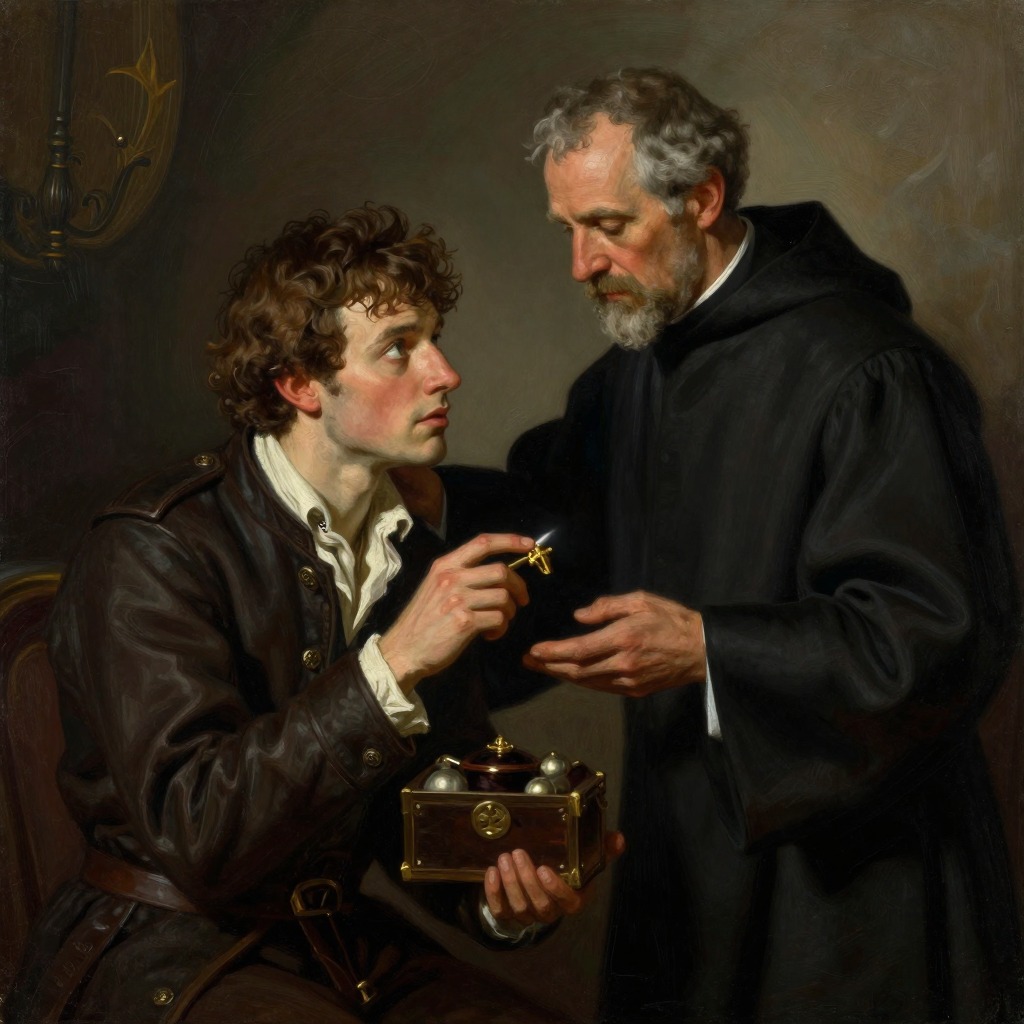
Dantes' salvation comes through a fellow prisoner, the Abbe Faria, who has been digging a tunnel from his own cell in a failed attempt to escape. Faria's tunnel, which took years to excavate, breaks through into Dantes' cell. The meeting is a dramatic reversal of Dantes' fate. Faria, a learned Italian priest who has been imprisoned since 1811, becomes Dantes' mentor, teaching him languages, history, science, and philosophy. He also reveals the identity of Dantes' enemies and the existence of a vast treasure hidden on the island of Monte Cristo. This intellectual and emotional companionship saves Dantes from madness and gives him a new purpose: revenge.
Escape and Transformation
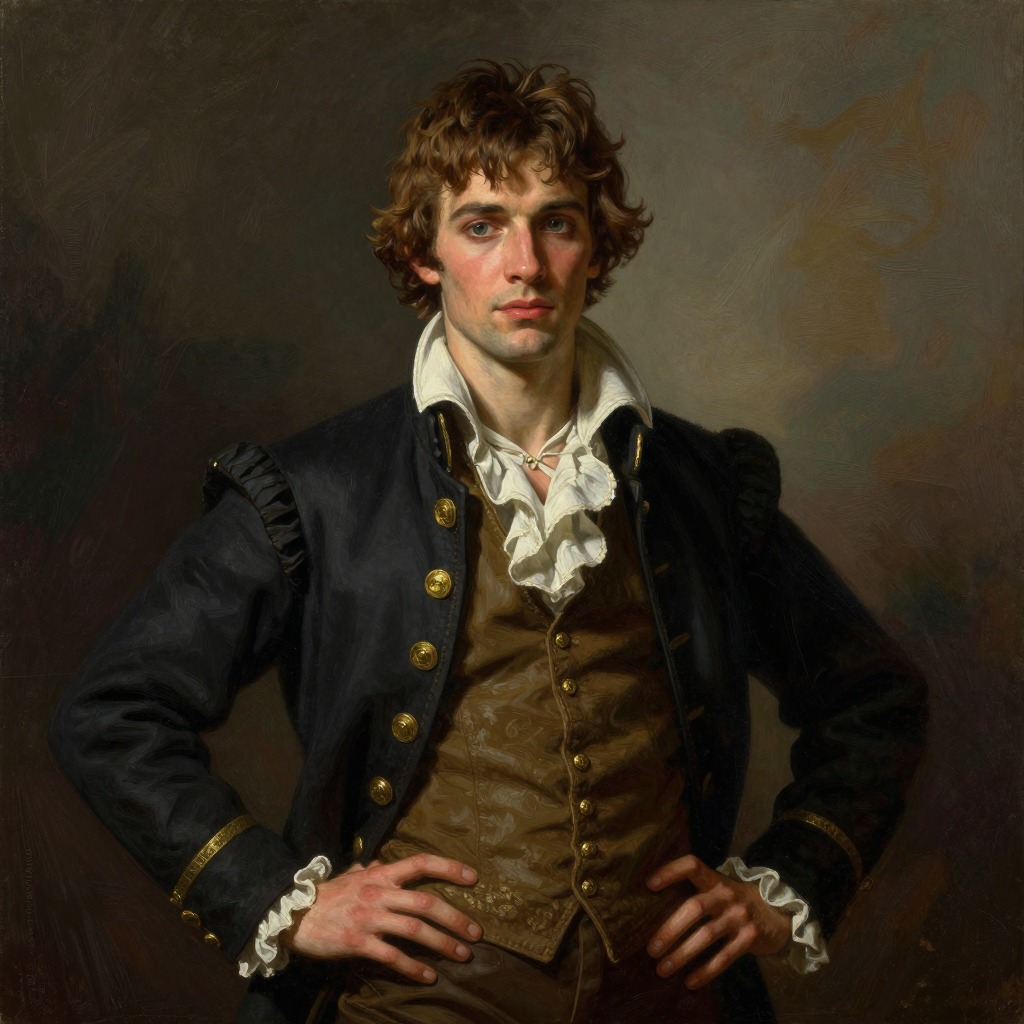
When Faria dies of a third attack of catalepsy, Dantes conceives a desperate plan. He takes the body to his own cell, sews himself into the sack intended for the corpse, and is thrown into the sea by the prison guards. He cuts himself free from the sack and the cannonball, swimming to the nearby island of Tiboulen. This escape marks the end of his imprisonment and the beginning of his new life. The fourteen years in the Chateau d'If have fundamentally altered him. The "round, open, smiling face of a young and happy man" is replaced by a pale, grave countenance with a "firm and marked" mouth and eyes that occasionally sparkle with "gloomy fires of misanthropy and hatred." The prison has given him the patience, cunning, and iron will that define the Count of Monte Cristo.
Narrative Significance
The Chateau d'If is the foundational trauma of the novel. It is the source of Dantes' suffering, the catalyst for his transformation, and the justification for his elaborate campaign of vengeance. The fortress itself becomes a symbol of the arbitrary and corrupt power of the state, which can imprison an innocent man without trial and bury him alive. The memory of the Chateau d'If haunts Dantes throughout the novel, and his return to the prison in the final chapters, where he revisits his cell and Faria's, is a crucial moment of reckoning. It is there that he finds Faria's manuscript and receives a final, spiritual confirmation of his path, allowing him to finally let go of his all-consuming hatred and embrace a future with Haidee.