Lilith’s wedding-vow song, “I give my arms to you”
UnforgivenLilith’s wedding-vow song, “I give my arms to you,” is Lilith’s intimate declaration to Cam and a recurring musical link between their planned wedding and the past she later begins to remember. Its language offers vulnerability as well as devotion: Lilith gives her arms and eyes, but also her scars and lies, then asks what Cam will give in return. The song’s force lies in that question of mutual giving—a sharply personal counterpoint to the secrecy and unequal bargains surrounding the couple’s love.
Composition and Form
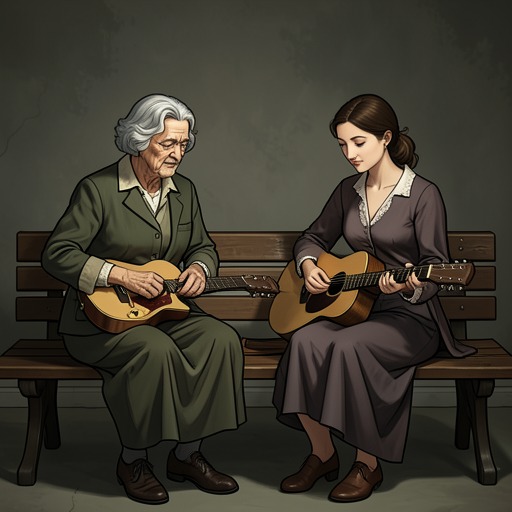
For weeks, Lilith had hummed the melody before she found words to fit it. At the moment she sang it to Cam, she had put her arms around his neck and her hands on his chest; the song emerged from this physical closeness rather than from a formal performance. Its compact verses build through a series of offerings, moving from body to injury and concealment. The last question interrupts the pattern of giving and makes reciprocity explicit: Lilith does not simply surrender herself but asks what her beloved will offer her.
The lyrics make the vow unusually candid. Alongside arms and eyes, Lilith names scars and lies, bringing imperfection and withheld truth into the promise rather than presenting love as untroubled. That honesty matters in a relationship shaped by things Cam has not told her. He is a fallen angel, and his inability to enter consecrated ground makes the temple wedding Lilith wants impossible for him. The song does not itself expose that secret, but its direct naming of lies gives the vow a tension the scene cannot resolve: Lilith offers openness while Cam continues to conceal a decisive part of himself.
The Song at the Wedding
Lilith sings softly, and Cam tells her that the song is the most enchanting thing he has ever heard. She explains that it is her wedding vow to him and rests her forehead against the nape of his neck. His response is not limited to praise of the melody. He says that no word can capture what he feels about the vow, Lilith, or her handmade wedding gown. In the scene, the song becomes both a declaration and a test of whether Cam can answer the openness it asks for.
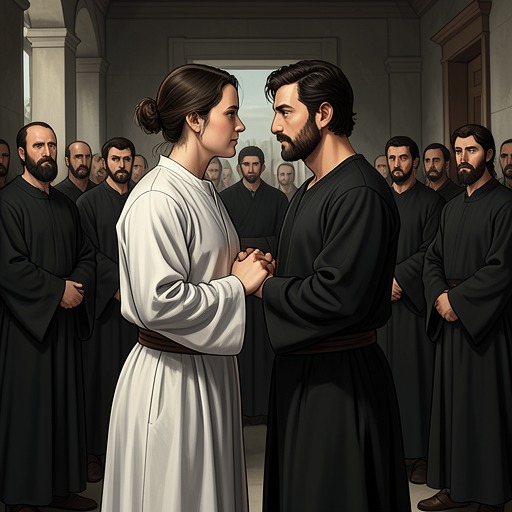
The wedding preparations make that question concrete. Dani presents a parchment marriage document decorated with paintings of Cam and Lilith embracing. Lilith notices that it says they will marry by the river, where Cam says they fell in love, but she wants to marry in the temple and honors the tradition it represents. Cam cannot enter the temple because he is fallen, yet he is too ashamed to tell her why. When Lilith asks what secret he bears, he still does not reveal that he is not human. The vow’s reference to scars and lies thus sits beside a practical crisis of concealment: the couple are preparing to make a binding commitment while Cam withholds the reason he cannot accept her chosen place of marriage.
Recurrence and Recognition
The song’s significance returns later, when Lilith and Cam are together onstage. Lilith experiences the unsettling sense that they have sung the song together before. A vision follows: the two of them seated by a great, clear river, far away and long ago. In the remembered scene, she has just written the song for Cam, hopes he will like it, and feels his affection in his kiss. Their earlier closeness is contrasted with the resentment and fear that mark their present relationship.
Lilith’s vision gives the song a narrative function beyond the wedding scene. What began as a vow in one life becomes evidence of a bond she cannot yet explain in another. The memory is not simply a recollection of words: it restores the circumstances in which the song was made and the feelings surrounding its first reception. The river, the written song, and the wedding it anticipates recur together, so the melody carries a past relationship into the present before Lilith can fully make sense of it.
Meaning in the Larger Relationship
The vow’s demand for an answer gains further weight against the story’s unequal arrangements. Cam has asked Lucifer to release Lilith and accepted a fifteen-day wager whose condition is that he make her love him again. That wager makes love the object of a contest, whereas Lilith’s song frames intimacy as an exchange in which each person must give something. The contrast does not make the vow a solution to their conflict: Cam’s hidden identity remains, and the wedding itself is unsettled by their disagreement over where to marry. Instead, the song preserves a measure of mutual tenderness within a relationship shaped by secrecy, danger, and supernatural bargains.
When Lilith later recognizes the melody through her vision, the song also connects emotional memory to recognition. She recalls having written it for Cam and perceives the depth of the love that preceded her present understanding. Its movement from private wedding vow to returning fragment of the past lets music carry what the characters’ incomplete knowledge cannot yet articulate. The song is therefore both a promise made between lovers and a recurring trace of their history—one that asks for reciprocity even as their circumstances repeatedly obstruct honesty.