Dogbite Press
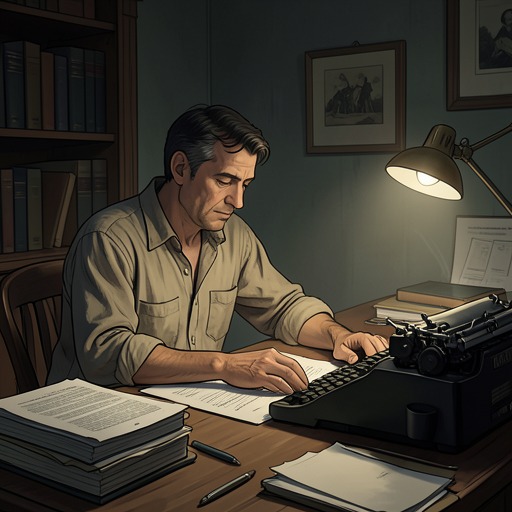
WomenDogbite Press enters the narrative as the publisher preparing a posthumous volume of William Keesing’s poetry. Its work links the prospect of literary recognition to the practical decisions involved in selecting and presenting the writing and images Keesing left behind.
The Posthumous Collection
A month after the narrator’s repeated calls to Cecelia had stopped, R. A. Dwight, editor of Dogbite Press, wrote to ask the narrator for a foreword to Keesing’s Selected Poems. The request gives the press a specific role in shaping Keesing’s literary afterlife: it was bringing his poems together in a book and inviting someone who knew him to frame the collection for readers.
The narrator observes that, with Keesing dead, he was at last going to receive recognition somewhere beyond Australia. The remark connects Dogbite Press’s publishing project with a delayed change in Keesing’s standing. The collection is not presented as proof that recognition had already arrived; rather, it offers a concrete opportunity for his work to reach a wider audience.
Cecelia and the Publication Decisions
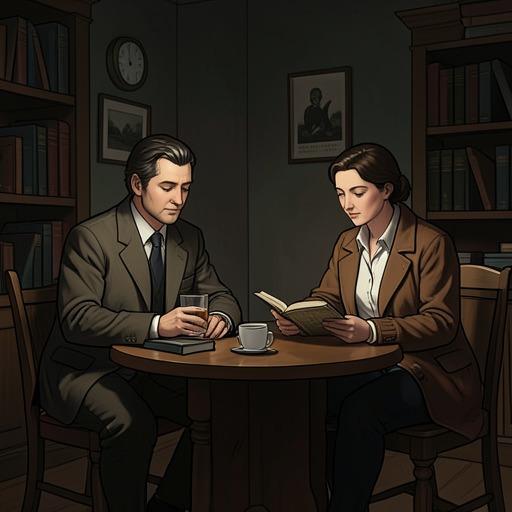
Cecelia later phones the narrator with plans to go to San Francisco to see Dwight. She has photographs of Keesing and unpublished material, and intends to review them with the editor before they decide what to publish. Dogbite Press is thus associated not only with the selected poems but also with an editorial process still in formation, involving materials that had not yet appeared in print.
Cecelia asks to stop in Los Angeles for a day or two before meeting Dwight and asks whether the narrator can meet her at the airport. He agrees that she can stay at his place. The brief exchange places the press’s forthcoming decisions within the continuing personal connections surrounding Keesing: before Cecelia reaches the editor in San Francisco, she turns to the narrator for hospitality, while the photographs and unpublished writings she carries will help determine what Dogbite Press brings into public view.