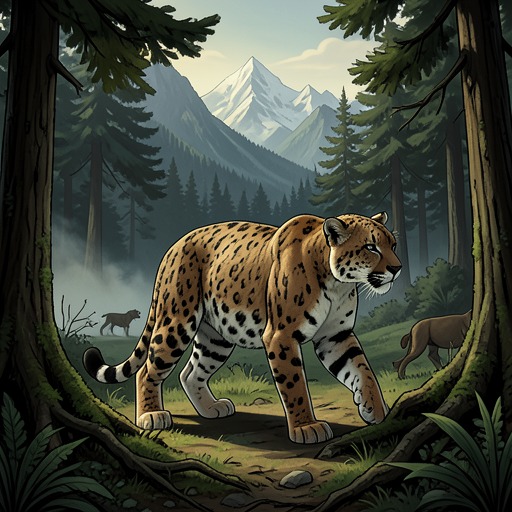
Clearwater High five-kilometer protected zone
WoodwalkersClearwater High’s five-kilometer protected zone gives the school’s woodwalker students a refuge beyond its classrooms: within the surrounding area, they can remain in animal form without the nearby threat of hunters or poachers. Its protection is substantial but bounded, and Carag’s later exposure to hunting danger shows that the safety it offers does not extend indefinitely into the wilderness.
Establishment and Purpose
James Bridger explains that there are no hunters or poachers in the area around Clearwater High because Lissa Clearwater bought all the land she could afford. The resulting protected area extends for five kilometers, and woodwalkers are safe there even in their second, animal forms. The zone is therefore rooted in control of land, not simply in the school’s ability to conceal its students: its protection reaches into the terrain where they might otherwise be vulnerable as animals.
The account establishes the area’s practical function without specifying a formal enforcement system or a legal designation. Its defining assurance is narrower and more immediate: within that radius, students are protected from hunters and poachers. The zone’s stated extent also gives the refuge a clear limit rather than presenting the surrounding wilderness as uniformly safe.
Protection and Its Limits
The distinction between the protected school territory and the wider landscape becomes urgent when Carag finds himself far from Clearwater High. He recalls that puma hunting season runs from October through March and that a hunter needs only a license, which is easy to obtain. He realizes that he may have gone beyond the safe territory and perhaps even outside Grand Teton National Park. Those dangers make the five-kilometer boundary meaningful: safety at school cannot protect a student who has wandered beyond the land secured around it.
The contrast is between protection attached to a particular place and risks that remain active outside it. The zone does not abolish hunting or make animal-form travel safe everywhere; it offers a protected area amid a landscape where a puma can still be hunted. Carag’s alarm at the possibility of being pursued underscores the consequence of that limit without diminishing the refuge’s importance.
A Refuge within the School’s Rules
The protected zone is distinct from Clearwater High’s internal regulations. Those rules govern conduct on school grounds: Clearwater High Rule 3 forbids predators from mistreating prey, and Clearwater High’s transformation permission rule allows students to change form during school hours only with a teacher’s authorization. The five-kilometer protection, by contrast, concerns the surrounding land and the danger posed by hunters and poachers. Together, these arrangements show the school addressing two different vulnerabilities: conflicts among its students and threats encountered in the outside world.
The zone’s narrative significance lies in the difference between having a sanctuary and being safe everywhere. Lissa Clearwater’s land purchases create a real margin of security for woodwalkers, including when they are visibly animals, but Carag’s departure from that territory exposes the danger beyond it. The refuge is valuable precisely because the surrounding wilderness cannot be assumed to offer the same protection.