ink
BelovedInk in Toni Morrison's Beloved is far more than a writing fluid; it is a charged symbol of the power dynamics that shape the lives of the enslaved. Sethe, the novel's protagonist, possesses a skill that both empowers and entraps her: she makes ink from cherry gum and oak bark, a craft she learned from Mrs. Garner. This ink becomes the medium through which schoolteacher, the cruel overseer, records his pseudoscientific observations of the enslaved, categorizing their 'human' and 'animal' characteristics. The ink thus embodies the double-edged nature of literacy—a tool that can be used for liberation or oppression, depending on who wields it.
The Making of Ink and Its Initial Significance
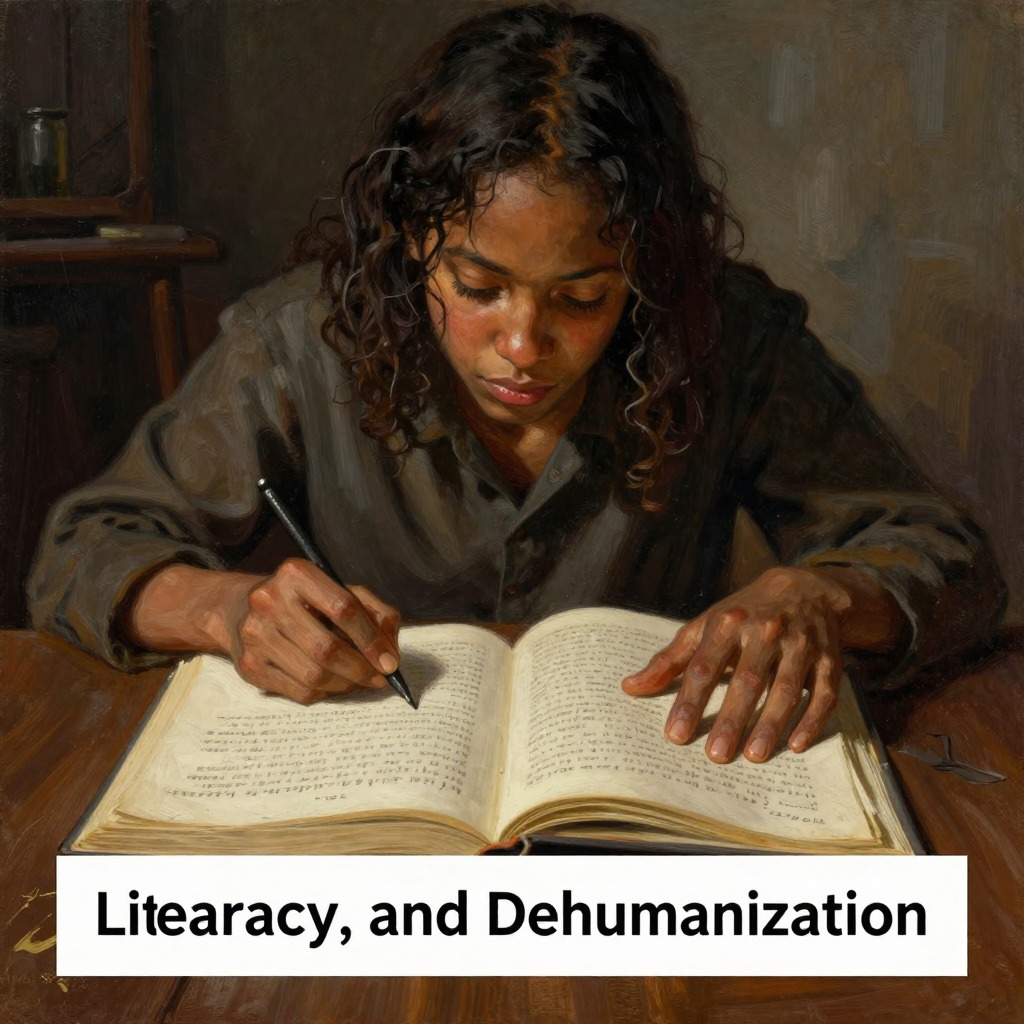
Sethe's ink-making is introduced as a point of pride and competence. She recalls that schoolteacher "liked the ink I made. It was her recipe, but he preferred how I mixed it." This detail reveals that Sethe's skill was not merely domestic but intellectual, a form of knowledge that she controlled. The ink she produces is used by schoolteacher to write in his notebook, a book "about us but we didn't know that right away." The ink, therefore, is initially a symbol of Sethe's agency—her ability to create something valuable that even the white overseer appreciates. However, this agency is quickly subverted when the ink becomes the instrument of her dehumanization.
Ink as a Tool of Oppression
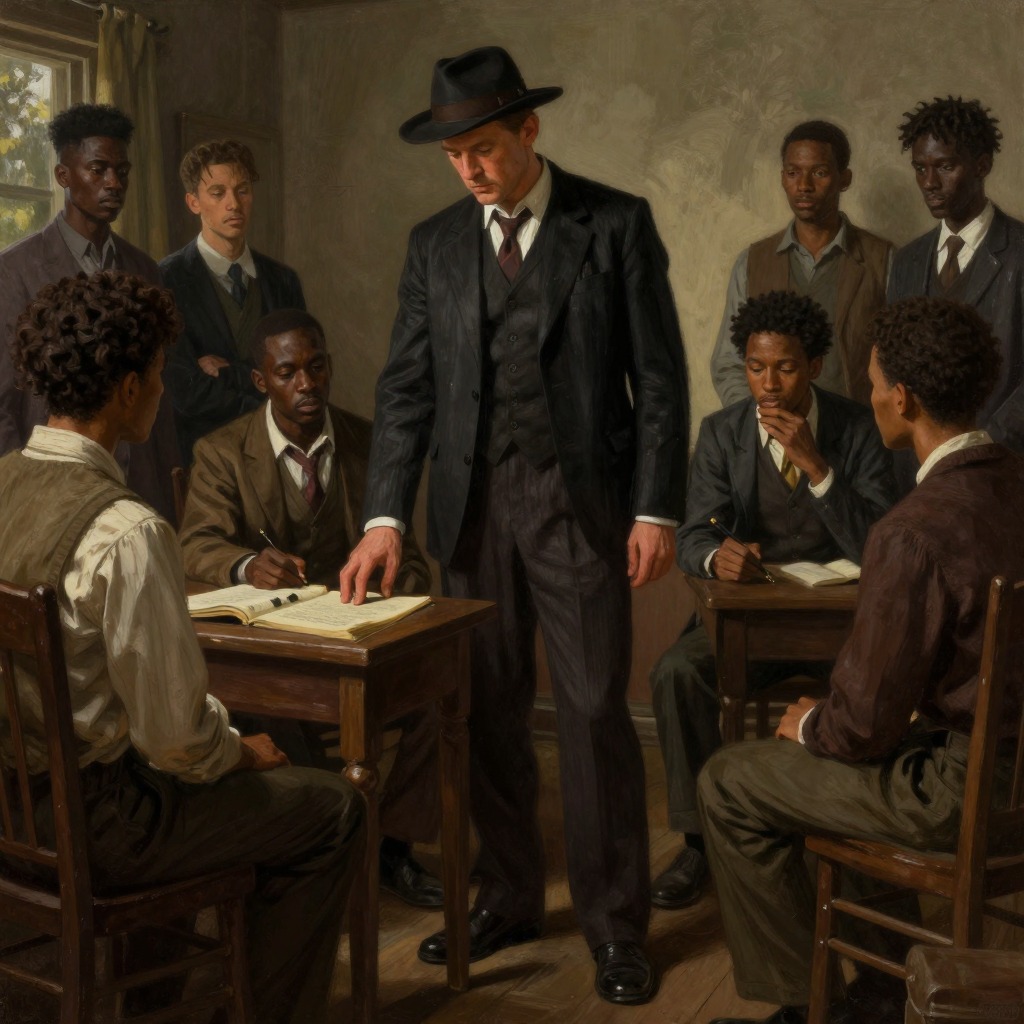
The pivotal moment occurs when Sethe overhears schoolteacher instructing his pupils on how to classify her: "I told you to put her human characteristics on the left; her animal ones on the right. And don't forget to line them up." This instruction, written in the very ink Sethe made, reduces her to a list of traits, denying her humanity. The ink, once a symbol of her craft, becomes a tool of surveillance and control, documenting her as property. This scene underscores the Foucauldian notion of power-knowledge: schoolteacher's authority is reinforced through the act of writing, and Sethe's own creation is turned against her. The ink thus represents the insidious ways in which the enslaved are objectified and classified by the dominant culture.
Ink and the Oral-Written Tension
The novel contrasts the written word, represented by ink, with the oral traditions of the enslaved. Sethe's story, like that of many others, is passed down through song and storytelling, not through written records. The ink, associated with schoolteacher's notebook, stands in opposition to the oral culture that preserves memory and identity. This tension is evident in the character of Paul D, who cannot read and relies on oral communication. When Stamp Paid shows him the newspaper clipping about Sethe's infanticide, Paul D cannot read the words, but he recognizes the image. The ink of the newspaper, like schoolteacher's notebook, carries a truth that is mediated by the white world, while the oral stories of the community carry a different, more personal truth. The novel ultimately suggests that the written word, with its ink, is a tool of the oppressor, while the spoken word is a means of resistance and survival.
The Legacy of Ink in the Narrative's End
Ink's symbolic weight persists into the novel's final sections. Sethe, in her delirium after Beloved's departure, tells Paul D, "I made the ink, Paul D. He couldn't have done it if I hadn't made the ink." This confession reveals her lingering guilt and the realization that her skill inadvertently enabled schoolteacher's cruelty. The ink becomes a symbol of her complicity, however unwitting, in her own dehumanization. Yet, the novel also suggests that ink can be reclaimed. The final image of the novel—"By and by all trace is gone, and what is forgotten is not only the footprints but the water too and what it is down there. The rest is weather."—echoes the impermanence of written records. The ink that once documented Sethe's 'animal' traits fades into obscurity, just as Beloved's memory fades. The novel thus ends with a meditation on the limits of written history, suggesting that the true story of the enslaved lies not in ink but in the enduring, if elusive, traces of memory and love.
Ink as a Symbol of Creative Agency and Loss
Beyond its role in oppression, ink also represents Sethe's creative potential and the loss of that potential. Her ability to make ink is a form of artistry, a skill that she uses to contribute to the household. However, this creativity is co-opted by schoolteacher, who uses it to further his own agenda. The ink, therefore, becomes a symbol of the ways in which the enslaved are stripped of their talents and forced to serve their oppressors. Sethe's later reflection on the ink—"I made the ink"—is a lament for the loss of her agency, a recognition that her gift was used against her. This theme resonates with the novel's broader exploration of motherhood and identity, as Sethe's love for her children is also twisted into a tool of destruction. The ink, like her love, is a powerful force that can be used for good or evil, and its legacy is one of both creation and loss.
In conclusion, ink in Beloved is a multifaceted symbol that encapsulates the novel's central themes of power, literacy, and identity. It is a tool of oppression, a marker of creative agency, and a reminder of the fragility of memory. Through the recurring image of ink, Morrison explores the ways in which the written word can both document and distort the lives of the enslaved, and she ultimately suggests that true liberation lies in reclaiming one's own story, beyond the ink of the oppressor.