Selenin
ResurrectionSelenin, a former intimate friend of Dmitri Nekhludoff from their student days, appears in the novel as a high-ranking public prosecutor in St. Petersburg, a man whose outward success masks a profound and painful inner division. He is introduced during the Senate hearing of Maslova's appeal, where his role is to argue for the rejection of the petition, a task he performs with a cold, legalistic precision that belies his personal knowledge of the case's injustice.
Identity and Background
Selenin was once a close friend of Nekhludoff, a bond formed during their university years when both were idealistic and honest. Nekhludoff remembers him as a "fine fellow" and a man of "purity, honesty, and good breeding in its best sense." However, the intervening years have transformed him. He has risen to the position of Public Prosecutor-in-Chief, a role that demands he enforce laws he privately knows to be flawed. He is married to a woman he does not love, in a match arranged for social advantage, and he has a daughter whom he feels is a stranger to him. His life is a series of compromises, each one a step away from the truth he once held.
Life and Career: The Architecture of a Lie
Selenin's career is a monument to self-deception. He entered the civil service with a genuine desire to be useful, but found the work unsatisfying. He then accepted a post as a Gentleman of the Bedchamber, a role he recognized as that of a "lackey," but could not refuse for fear of offending those who had arranged it. His marriage, too, was a concession to social pressure, and it quickly soured into a silent, decorous war. The most profound lie, however, concerns his religious faith. Having rationally rejected the dogmas of the Orthodox Church in his youth, he later, under the pressure of his career and social circle, forced himself to believe again. He read Hegel and Khomyakov, not to find truth, but to find a justification for the faith that his position required. He now attends services, crosses himself, and pretends to believe, all the while knowing in his heart that this, more than anything else, is "not the right thing." This inner falseness is visible in his eyes, which always carry a look of sadness.
Key Actions and the Senate Hearing
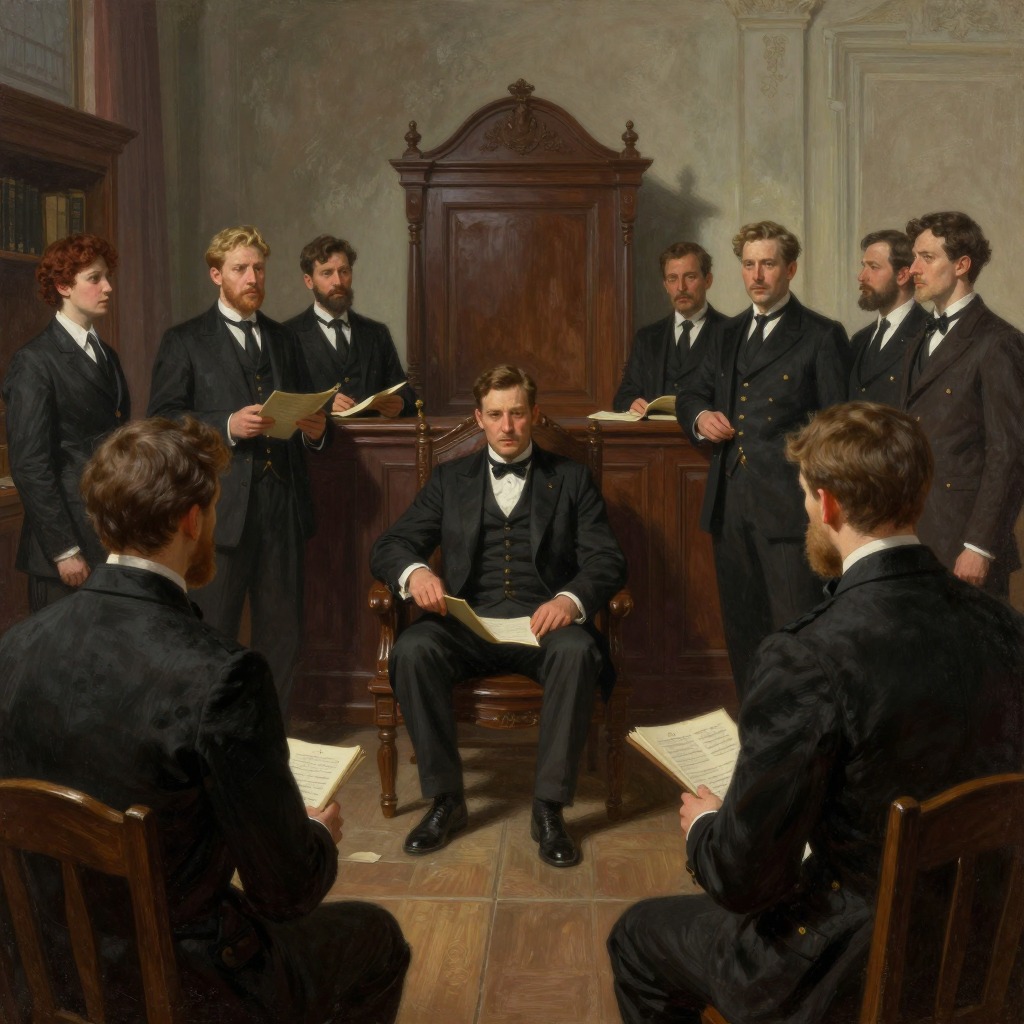
Selenin's most significant action in the novel is his conduct during the Senate hearing of Maslova's case. When the advocate Fanarin presents a powerful case for overturning the verdict, Selenin rises and "briefly and clearly expressed himself in favour of leaving the decision of the Court unaltered, as he considered all the reasons for appealing inadequate." This cold, professional judgment directly contradicts what he knows to be true. He is aware that the case is a travesty of justice, yet he upholds the legal form. His vote is decisive in confirming the sentence that sends an innocent woman to Siberia. After the hearing, when Nekhludoff confronts him, Selenin defends the Senate's role, arguing that it cannot enter into the merits of a case, only the form. He is a man trapped by the very system he serves.
Relationships and Conflict
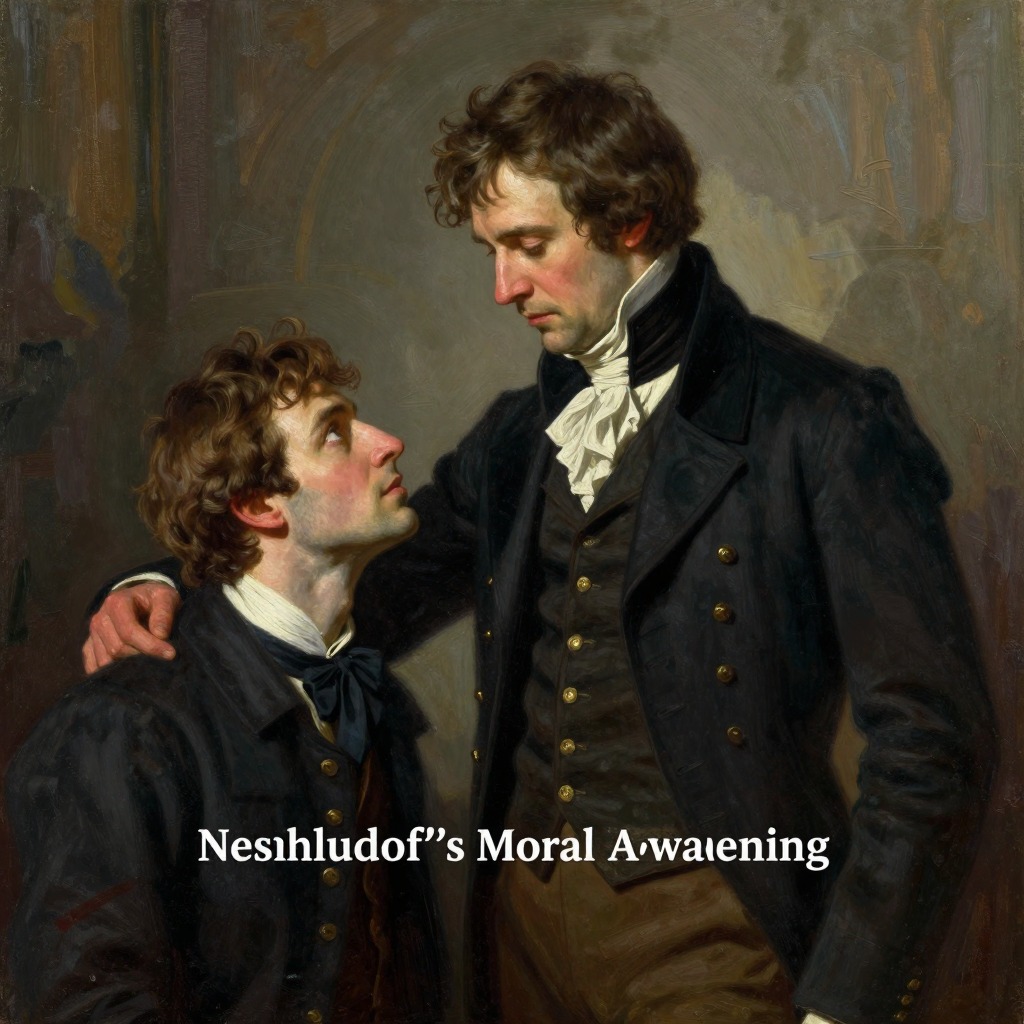
The encounter with Nekhludoff is a painful mirror for Selenin. Nekhludoff, who has undergone a moral awakening, represents the idealistic youth Selenin has betrayed. Their conversation is strained and brief. Selenin tries to change the subject to trivial matters, and when Nekhludoff presses him on his religious beliefs, Selenin admits, with a lifeless look, that he believes in the dogmas of the church. This admission is a lie, and both men know it. The meeting leaves Nekhludoff feeling that his old friend has become "strange, distant, and incomprehensible, if not hostile." For Selenin, it is a painful reminder of the path not taken.
Change and Ending: A Moment of Truth
Despite his public role, Selenin is not a villain. He is a man who suffers from his own dishonesty. The novel's final judgment on him is not condemnation but a complex pity. After the Senate hearing, he secretly reviews Maslova's case and is moved by its injustice. He writes a letter to Nekhludoff, enclosing the official document that commutes Maslova's sentence from hard labor to exile. In the letter, he confesses: "I looked carefully through the case, and see that shocking injustice has been done her." This act is a quiet rebellion against the system he serves, a momentary breaking of the lie. He signs the letter with a warm "Yours," a gesture that reaches back to the friendship they once had. This is his only redemption: a private, honest act that cannot undo the public wrong, but which proves that the spiritual man within him is not entirely dead.
Narrative Role and Thematic Significance
Selenin serves as a foil to Nekhludoff, illustrating the path of moral compromise that Nekhludoff himself might have taken. He embodies the novel's central critique of the legal and social system: that it is upheld not by evil men, but by good men who have learned to live with lies. His character demonstrates that the greatest obstacle to justice is not malice, but the comfortable, self-justifying hypocrisy of the educated classes. His final, private act of honesty underscores the novel's theme that individual conscience, however buried, can still assert itself, even within the most corrupt institutions.