The duty to bury the dead
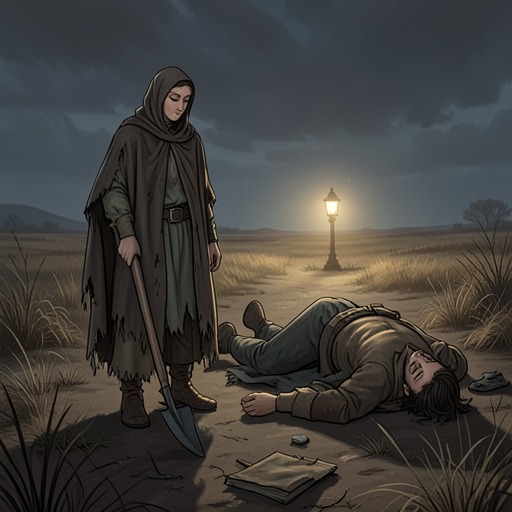
AntigoneThe duty to bury the dead is the obligation at the heart of Antigone’s defiance: Creon makes Polynices’ burial a capital offense, but Antigone treats funeral rites as a responsibility no decree can cancel. For her, burial is not a reward for good conduct; it is the final act of care owed to the dead.
A Duty Set Against the Decree
After the brothers Eteocles and Polynices kill each other outside Thebes, Creon orders a grand funeral for Eteocles while commanding that Polynices, branded a traitor, be left unmourned and unburied. His body is to be exposed to scavengers, and anyone who offers the sacred rites faces death. The decree turns a funeral into a test of political obedience, making the ordinary obligation to bury the dead the point where royal authority and personal conscience collide.
Rest for the Dead
Antigone explains her act through the fate she believes awaits the unburied: they wander for eternity without finding rest. Burial therefore answers a need that outlasts the immediate crisis in Thebes. The punishment threatens the living, but leaving Polynices exposed would, in Antigone’s understanding, deny her brother peace after death.
Care as a Family Obligation
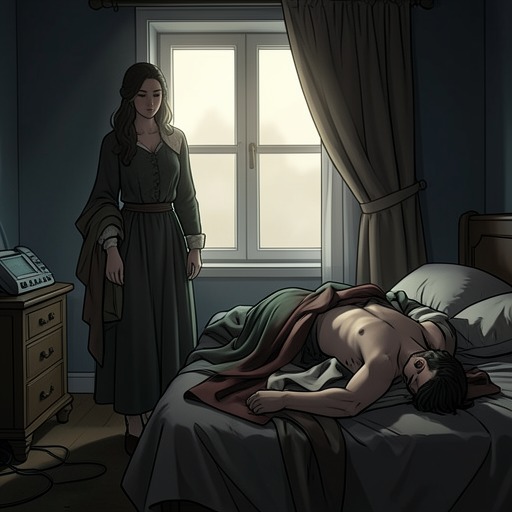
Antigone measures the duty through familiar acts of care. Had her living brother returned exhausted from a long hunt, she says, she would have removed his shoes, brought him food, and made his bed. Polynices has finished his hunt; his journey is complete, and he is returning to the house where her father, mother, and Eteocles await him. The image makes funeral care an extension of domestic tenderness: because he has come to the end of his journey, he has a right to rest.
Moral and Dramatic Significance
The duty is universal in its claim but fiercely particular in its expression. Antigone does not argue that Polynices was politically innocent; she insists instead that his status as a condemned enemy does not erase his claim to burial. Her choice places an unwritten obligation toward the dead above Creon’s explicit command, and exposes the cost of a law that makes basic mourning punishable by death. Burial becomes both an act of love for a brother and a direct refusal to let political condemnation determine whether he may be mourned.