Thebes
AntigoneThebes is the political and dramatic center of the play, a city saved from attack but left to confront the consequences of civil conflict. Its survival gives Creon authority to restore order, while the opposing fates he assigns to Eteocles and Polynices turn the city itself into the setting for a conflict between public law and the duty to bury a brother.
The City After the Battle
The story begins with the deaths of Oedipus’s sons outside the city walls. Eteocles and Polynices were supposed to rule Thebes in alternating years, but Eteocles refused to yield the throne at the end of his first year. Their dispute became a battle in which the brothers killed each other.
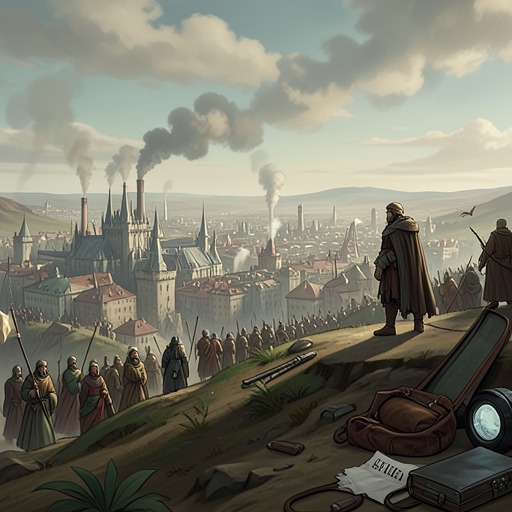
Polynices had brought seven foreign princes to support his cause. They were defeated at the seven gates of Thebes, and the city was saved. That victory does not settle the crisis: both claimants to the throne are dead, leaving Creon to take power and determine how the city will remember the brothers.
A City Divided by Decree
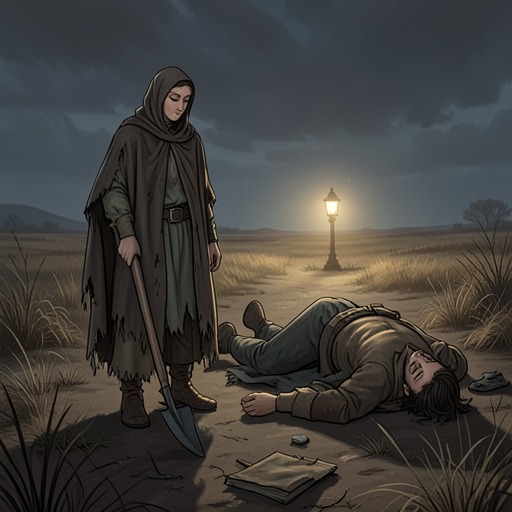
Creon orders a grand funeral for Eteocles, whom he identifies as the good brother, while Polynices is designated a traitor and forbidden a funeral. He is to remain unburied, and Creon threatens death for anyone who performs the sacred rites. The distinction makes burial a matter of civic authority as well as family obligation: Thebes has survived the military threat, but its new ruler demands that the city enforce his judgment on the dead.
Creon’s decree is proclaimed in the city’s square and posted on its walls. Its public announcement means that Antigone’s actions cannot remain a private family matter. When she insists that she must do what she can for her brother, she recognizes both the limits placed on her and the action still available to her; she describes the conflict as a part assigned to each side, with Creon ordering their deaths and the sisters burying their brother.
Public Knowledge and Political Order
The city’s knowledge of Antigone’s deed changes Creon’s position. He says that all Thebes knows what she has done and that he has no choice but to put her to death. The statement links the punishment to the public reach of the decree: once the defiance is known across the city, backing down would challenge the authority Creon has asserted there.
In his argument with Antigone, Creon presents government through the image of a storm-struck ship. Someone, he says, must take the wheel and give orders while crime, poverty, and misery threaten the whole crew. The image makes political responsibility a response to collective danger; Antigone’s refusal, by contrast, insists that she can reject what she considers unacceptable and that the choice is hers alone. Their disagreement is not simply over how the city should be ruled, but over whether survival and order can justify the acts demanded in their name.
The City as Dramatic Frame
Thebes moves from endangered city to saved city and then to a community that knows of Antigone’s resistance. Each change widens the conflict: the brothers’ dispute concerns succession, Creon’s decree turns their deaths into public policy, and Antigone’s act brings that policy into collision with kinship and conscience.
The city therefore functions as more than a backdrop. Its walls and gates mark the battle that has ended; its square and posted notices make the king’s decision visible; and the knowledge of its people gives the dispute public consequences. The central irony is that the city’s rescue does not restore uncomplicated peace: the order imposed after victory becomes the source of the next crisis.