Bambola
BlondeBambola is the battered, nameless doll Norma Jeane Baker carries into orphanage life and keeps close when nearly everything else from home is taken from her. Unable to cry after the first days in the care of Los Angeles County Social Service, Norma Jeane is likened to the doll that cannot cry either; its shabby, unclaimed presence becomes a private counterpoint to the instability around her.
Appearance and Naming
The doll is battered and has no name beyond Bambola. It is bald, naked, and dirty, with startled blue glass eyes and a rose-colored mouth fixed in an expression of dismayed coquetry. The description makes the doll at once comic and unsettling: its face seems caught between vulnerability and a pose it cannot escape.
A Companion in the Orphanage
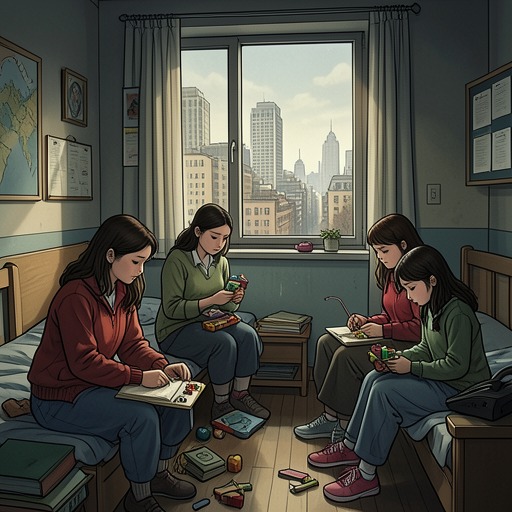
Norma Jeane sleeps with Bambola every night and hides it beneath her mattress during the day. The other girls mock the doll, and Fleece calls it a monster, though not cruelly. Unlike the peculiar, dressy clothes brought in Gladys’s suitcases, which are stolen within days—even by girls who later become Norma Jeane’s friends—the doll is wanted by no one. Its survival among the losses gives it a singular place in her new surroundings: it is not valuable to the other children, but she refuses to be separated from it.
Attachment and Contrast
The narration connects Bambola’s inability to cry with Norma Jeane’s own exhaustion: she has already wept all the tears she has left and can no longer cry any more than the doll can. During the day, keeping it under the mattress protects a possession she treats as a fragment of her thirsty soul, even as the girls’ laughter makes that attachment visible. Bambola is therefore more than a leftover toy from an earlier life. Its damaged body and continued presence mark a small, guarded continuity for a child whose mother is hospitalized and whose hope of rescue remains uncertain.