Eastbourne
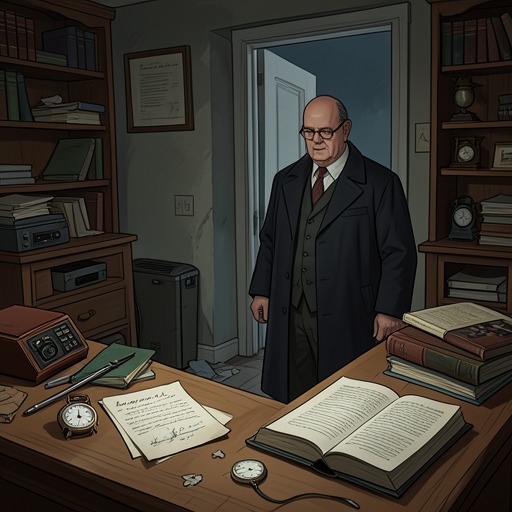
CurtainEastbourne is the setting for the closing revelation in which Arthur Hastings, visiting Poirot’s former valet Georges after Poirot’s death, learns that Curtiss—not one of the guests at Styles—was the man he had failed to suspect. The town frames a quiet personal visit that turns, through Georges’s recollection, into the final correction of Hastings’s understanding of the case.
The Visit to Georges
Hastings writes from Eastbourne, where he has gone to see Georges, who served Poirot for many years. Georges is matter-of-fact and literal-minded; when Hastings tells him that Poirot has died, he is distressed and grieved, though he nearly manages to conceal it. The subdued setting makes the visit an act of mourning as well as an inquiry into the past.
Georges explains that he had not left Poirot’s service of his own accord. Poirot sent him away while Georges cared for his elderly father, arranged suitable remuneration for him, and intended that he should return to service later. This detail gives Hastings new information about Poirot’s careful arrangements and sets up Georges’s account of the man who had replaced him.
The Identification of Curtiss
Asked about the replacement, Georges recalls a physically strong man who had once worked as an assistant in a mental home. He did not consider the man especially bright or of the class Poirot would ordinarily have chosen. Hastings recognizes the description at once: Curtiss.
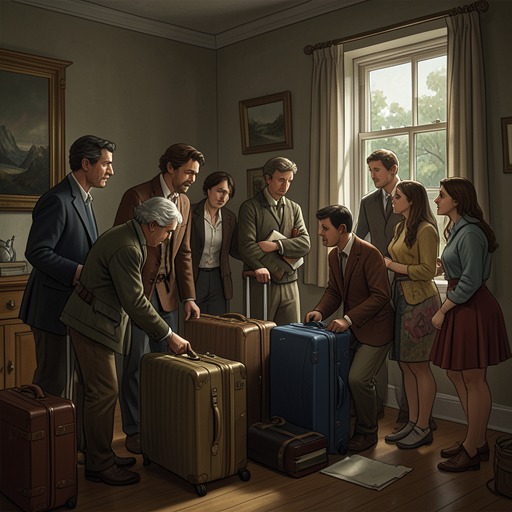
The recognition overturns the frame through which Hastings had viewed the mystery. He understands that Poirot had deliberately told him little, allowing him to search among the guests at Styles for the elusive X. Curtiss had not been a guest there. Eastbourne therefore supplies the last missing distinction in Hastings’s search: the person he had excluded from consideration belonged to the household’s wider circle, not the company gathered at the house.
Narrative Significance
The revelation comes after Poirot’s death, through an ordinary conversation with a former servant rather than through a final demonstration by the detective himself. Georges’s literal recollection supplies the clue, while Hastings’s immediate recognition completes its meaning. The visit to Eastbourne closes the investigation by exposing the limit Poirot had placed on his friend’s knowledge—and by showing how that omission directed Hastings toward the wrong field of suspects.