Sireno and Diana's Forced Separation
DianaSireno and Diana's Forced Separation is the decisive rupture behind the opening tragedy of The Seven Books of the Diana: Sireno is compelled to leave the kingdom, and the absence that follows separates two lovers whose attachment had seemed steadfast. While he is away, Diana's feelings change and she marries Delio, so Sireno's return brings not reunion but the discovery that the life he remembers has continued without him.
Love Before the Departure
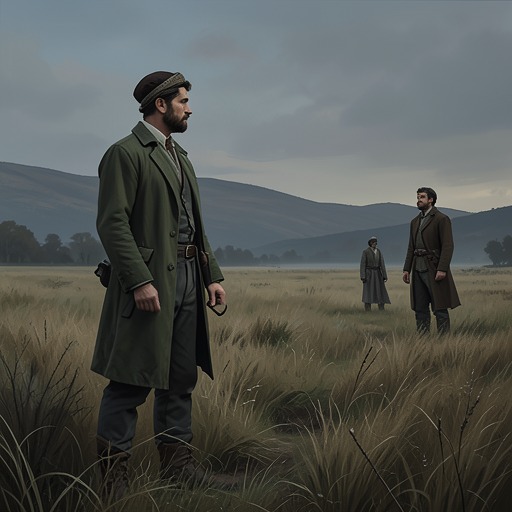
In the fields of León, along the banks of the Ezla River, Diana and Sireno had loved one another intensely. Their relationship is described as marked by exceptional honesty and chastity. Sireno's return to these places makes the separation more than a change of location: the riverbanks and meadows hold the memory of a shared past that is no longer present.
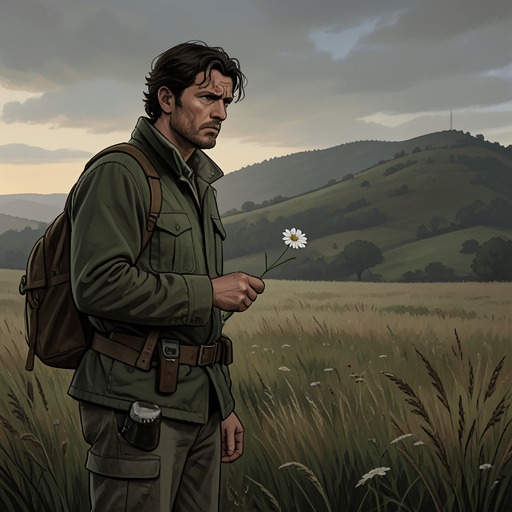
Before love overtook him, Sireno's life belonged to the countryside. He tended his flock, enjoyed the spring flowers, and spent his free hours playing a rabel or a zampoña and composing verses praised by the shepherdesses of the region. The recalled ease of that life sharpens the contrast with the sorrow of his return. The pastoral landscape remains, but the affection that once made it a place of contentment has been lost.
A Departure He Cannot Avoid
The separation begins when Sireno is forced to leave the kingdom for matters from which, the account says, his departure cannot be excused. The circumstances are not specified, and the narrative does not present the parting as a choice he freely makes. In a song, Sireno likewise describes the departure as forced and not caused by him. That insistence places the rupture among the misfortunes imposed on him, rather than treating it as a voluntary abandonment of Diana.
Diana remains behind, grieving at his absence. Their separation thus divides the lovers not only by distance but by their unequal relation to what follows: Sireno's absence becomes an enduring wound, while Diana's feelings do not remain fixed. The account gives no detailed scene of the departure itself; instead, it establishes its force through the later contrast between Diana's earlier attachment and Sireno's grief-stricken return.
Absence, Change, and Marriage
During Sireno's absence, time and Diana's heart change. She marries Delio and puts the man she had loved out of her thoughts. The narrative sets this change against the earlier description of a devoted, honest love, making the marriage the consequence that gives the separation its lasting force. It does not explain the circumstances of Diana's decision beyond this account of changing feelings and her subsequent marriage.
After a year away, Sireno returns, longing to see Diana. Before he reaches her, he learns that she is already married. The knowledge turns his homecoming into a reckoning with absence: he comes back seeking the beloved of his memory, but finds that the relationship has been overtaken by events he could neither witness nor prevent. At the river and meadows associated with their earlier happiness, he recalls what has been lost; the separation therefore shapes the novel's opening as both a past event and the source of Sireno's present sorrow.
Narrative and Pastoral Significance
The separation breaks the apparent continuity between pastoral love and pastoral life. Sireno's remembered fields, flock, and music evoke a quiet existence, yet that setting cannot protect the lovers from forced departure, passing time, or changed affection. The countryside serves at once as the scene of earlier contentment and as the landscape in which Sireno confronts its disappearance.
The event also establishes the central imbalance of their aftermath: Sireno returns still oriented toward the love he lost, whereas Diana has married Delio. This contrast gives the opening its emotional direction. The decisive change is not simply that the lovers have been parted, but that the separation has lasted long enough for their lives and attachments to diverge.