Dingo décime le gibier de Ponteilles
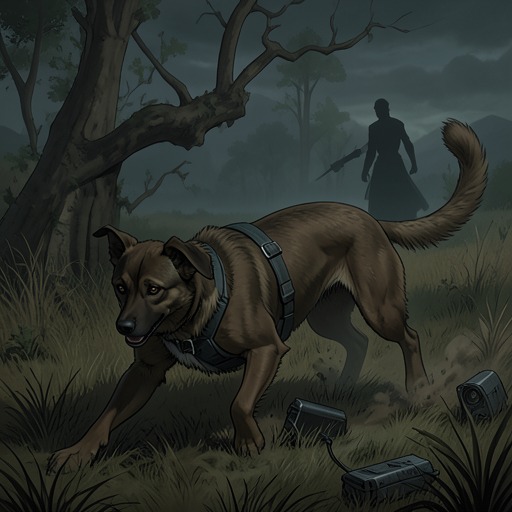
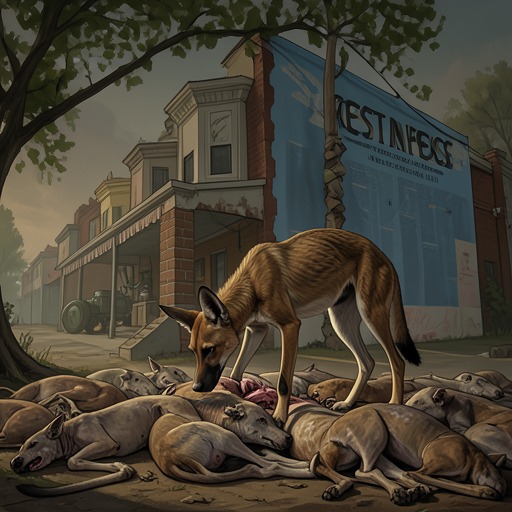
DingoDingo’s hunting in the countryside around Ponteilles reduces familiar coveys of partridges and the local supply of hares to near absence. Pierre Piscot describes a method based on relentless pursuit: Dingo repeatedly drives the birds from cover until they tire, while the villagers’ preparations for the hunt end in disappointment. The episode makes Dingo’s predatory skill a force that unsettles the village’s ordinary expectations and pleasures.
The Hunt and Its Method
Piscot explains that, once the plain has been cut, game becomes easier to see or scent. Dingo runs at the partridges, which rise and settle farther away in the stubble. He gives them no time to rest: he drives them up again and again, sometimes ten or twenty times, until the exhausted birds stop fleeing and can be caught. The account emphasizes persistence rather than a single dramatic chase; Dingo wears down his quarry through repeated interruption of its attempts to find cover.
This method has changed what the villagers can count on. They once knew six coveys on the communal lands, including one numbering twenty-two birds, and hunters would go out in the evening to count them. Now, Piscot says, the coveys are gone. The disappearance is registered against a precise local measure: groups of birds whose numbers had been familiar enough to check have ceased to appear.
Hares and the Remaining Game
Partridges are not the only quarry. Piscot adds that Dingo catches hares at a run, quickly enough that the chase is over before it can drag on. He says there are no hares either and presents their loss as part of a wider emptiness in the countryside. His admiration for Dingo’s prowess sits alongside the practical consequence: animals that had been available to the villagers are no longer there to hunt.
Piscot’s account also touches on the sale of five partridges to visitors from Paris, for ten sous each after he reduced the price. The detail brings the episode down from talk of hunting prowess to the small transactions of village life: game is valued as food and as something to sell, even as Dingo’s pursuit has made it scarce. The reported sale does not undo the larger change Piscot describes; it underscores how closely the village’s access to game is tied to everyday use.
The Villagers’ Frustration
The hunters had prepared for the season, making cartridges and greasing their boots, and had talked of little but the coming hunt. Their anticipation has nowhere to go once the game disappears. Piscot laughs at the reversal, joking that the famous covey of twenty-two will have to be raised from inside the mayor. The joke turns a recognizable local count into an image of impossibility: the birds are so absent that only absurdity can restore them to the hunters’ plans.
For the narrator, the news means that the village’s anger over Dingo may begin again. The report recalls the earlier crowds, threats, lawsuits, and pressure that followed the dog’s attacks on animals. Piscot, by contrast, treats the hunters’ disappointment as comic and continues to marvel at Dingo. Their different reactions give the episode its social tension: what Piscot admires as remarkable canine ability is also the source of a renewed conflict between Dingo and a community whose hunting expectations have been disrupted.
Significance
The episode places Dingo’s untamed hunting instinct against the routines of village life. The hunters count coveys, prepare equipment, and look forward to a shared season; Dingo’s repeated chases disregard those human schedules and progressively empty the ground of their intended quarry. His effectiveness is not framed as a deliberate challenge to the villagers, but it has collective consequences all the same.
Piscot’s amused praise and the narrator’s concern keep the account from becoming a simple celebration of the hunt. Dingo is impressive precisely because his predation has consequences that the villagers cannot treat as entertainment alone. The vanished coveys, the absent hares, and the hunters’ unused preparations make the cost of his prowess concrete, while the narrator’s foreboding connects the episode to the recurring dispute over whether Dingo can live among the people of Ponteilles without provoking them.