Naloxone
DopesickNaloxone is an opioid antagonist that can reverse an overdose, and in the book it represents a direct way to keep people alive while the larger systems of treatment and recovery remain difficult to reach. Its story is one of expanding access: from a statewide prescription order in Virginia to take-home kits and training, alongside other harm-reduction measures responding to overdose and fentanyl risks.
Virginia’s Statewide Access
In late 2016, Virginia’s health commissioner declared the opioid crisis a public health emergency, citing three drug-overdose deaths a day and more than two dozen overdose cases a day in emergency departments across the state. The commissioner issued a standing order allowing any resident to buy naloxone, also known by the brand name Narcan. Rather than requiring each person to obtain an individual prescription, the order made the overdose-reversing drug more broadly accessible.
That policy appears amid a treatment system marked by shortages and expense. The book reports that only one treatment bed was available for every five people trying to enter rehabilitation, and that many treatment centers did not permit Medication-assisted treatment. Naloxone did not resolve those barriers; it addressed the immediate danger of overdose while access to continuing care remained uneven.
Distribution and Practical Use
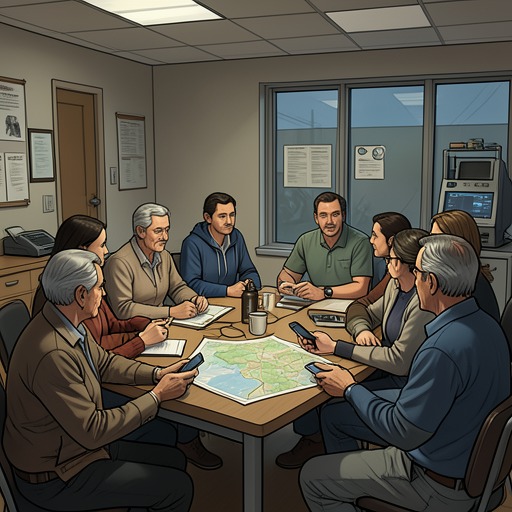
At a Remote Area Medical clinic, naloxone kits were given to almost four hundred people, with training in how to use them. This distribution was part of a broader public-health effort that also offered free hepatitis C testing. The clinic’s work took place in a rural region where reaching care could itself be difficult: patients at a nearby clinic in Lee County, Virginia, sometimes walked or hitchhiked more than five miles to appointments. In that setting, take-home kits extended overdose response beyond the clinic and into people’s communities.
The book presents naloxone distribution as one element of Harm reduction, which seeks to lessen the harms of drug use and treat users with dignity even when they are not yet sober. Its account stresses the practical premise behind this approach: people must survive in order to have the possibility of recovery. Naloxone therefore sits alongside, rather than in place of, treatment, disease prevention, and support.
Wider Harm-Reduction Efforts
The book compares Virginia’s response with initiatives elsewhere. Vancouver, British Columbia, had established supervised injection sites where nurses could respond to overdoses, along with needle exchange and naloxone distribution. In 2017, officials in Seattle approved a safe-injection program modeled in part on approaches used in Vancouver, despite the continuing federal prohibition on such sites.
In Boston, Massachusetts, some residents carried naloxone kits and displayed purple ally patches on their backpacks to signal that they could administer the drug. Prevention workers also piloted fentanyl test strips so users could check a drug’s potency, take precautions such as using smaller doses or avoiding use alone, and have naloxone ready in case of overdose. In San Francisco, Seattle, Philadelphia, and Greensboro, North Carolina, drug-user unions advocated wider naloxone distribution and other harm-reduction measures; some also negotiated with dealers when fentanyl entered local supplies.
Meaning and Limits
Across these examples, naloxone marks a shift toward treating overdose as an emergency that communities can prepare for, not merely a consequence to be addressed after the fact. The statewide order, trained kit distribution, and public signals of readiness each made access more visible and more practical. At the same time, the book places these measures against persistent shortages in treatment and sharp disagreements over harm reduction. Naloxone could reverse an overdose, but its availability alone could not supply a treatment bed, remove financial and geographic barriers, or settle disputes about how addiction should be treated.