New York City
FirestarterNew York City is both a place of pursuit and a hoped-for route out of isolation in the McGees’ flight from the Shop. The city enters the story through Andy McGee’s memories of fleeing with Charlie McGee, and later through his plan to seek help from The New York Times. Its significance lies less in a broad portrait of urban life than in the pressure its streets and institutions exert on the family’s choices: escape is immediate and physical, while reaching the outside world remains uncertain.
The City as a Scene of Flight
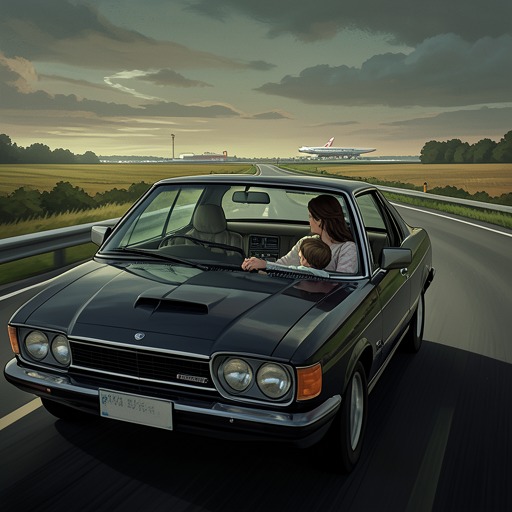
In a recollection, Andy sees himself and Charlie fleeing up Third Avenue in a slow-motion nightmare: he is a big man in a scuffed cord jacket, she is a little girl in red and green. The contrast in their size and the vividness of their clothing give the memory a sharply visual form, but its emotional force comes from the danger of the flight. The remembered street is not a place where they can stop; it is a route through which a father tries to keep his daughter moving and alive.
The city’s pursuit becomes more than a single remembered image. Andy recalls Charlie pale and tearful after collecting change from airport pay phones, then setting a serviceman’s shoes on fire. The detail joins the ordinary mechanics of escape—pay phones and coins—to the extraordinary danger of Charlie’s power. Even a small practical task carries consequences: the money is gathered, but the moment is also linked to a fire. New York City’s role in the family’s story is thus bound to movement under pressure, with ordinary urban spaces becoming part of a crisis they cannot safely explain.
Memory and the Return of Danger
The scene on Third Avenue returns to Andy in a later moment of temporary safety at Tashmore Pond. For the first time since the terrible chase, he feels at rest; then the narrative widens that pause into a longer history. Since the Shop re-entered their lives on an August day fourteen months earlier, Andy and Charlie have been running or hiding, with neither condition offering genuine rest. The remembered city concentrates that larger period of flight into one image: a father and child moving through danger together.
The movement between present and memory shapes how New York City is presented. The recollection is not an independent city episode told from beginning to end; it surfaces while Andy is trying to rest, and it restores the fear that the quiet setting had briefly displaced. The city therefore functions as a pressure point in his memory. It recalls not only the physical chase but the lasting inability to feel safe, even after the family has reached a place where, for a moment, they can stop.
A Destination for Appeal
Later, with their suitcases packed and Charlie silent, Andy explains that they will hitch a ride into Berlin and take a Greyhound back to New York City. His intended destination is the offices of The New York Times. Charlie reminds him that he has already sent the newspaper a letter; Andy answers that it may never have arrived. The exchange makes the planned return to the city an attempt to turn private testimony into public attention, while also exposing how little confidence he has that their message can get through.
The plan is more than a journey. Andy wants to reach a newspaper because the family’s danger cannot be addressed from inside their isolation, and because he fears the letters have failed. The city offers an identifiable destination and a possible audience, not a guaranteed rescue. Charlie’s reminder underscores that communication has already been attempted; Andy’s response shows that the uncertainty itself has become a reason to act again. In this way, New York City is associated with both the hope of outside intervention and the limits of relying on messages sent from hiding.
Narrative Significance
The city links two forms of movement in the story. In the earlier recollection, Andy and Charlie move through it to escape immediate danger; in the later plan, Andy proposes travelling back toward it to make their situation known. The first journey is flight from pursuit, while the second is an effort to break through silence. Neither makes the city a place of assured safety: the remembered chase remains a source of fear, and the proposed appeal depends on reaching people who may never have received the first letter.
That contrast gives New York City a precise role in the family’s history. It is not simply a distant home or a backdrop to action, but a point where physical vulnerability and public visibility meet. Andy’s memory holds onto the hurried father and child on Third Avenue; his plan turns toward the newspaper offices as a possible way of ending the secrecy that has kept them running. The city consequently stands at both ends of their struggle: as the setting of a traumatic escape and as the destination of an appeal for help.