Sonja Hökberg’s escape from police custody
FirewallSonja Hökberg’s escape from police custody transformed a case that seemed to concern a brutal taxi-driver attack into a widening investigation involving her death at the Ystad power substation and the blackout that followed. The escape was brief in narrative terms, but it shattered the apparent clarity of the police account and helped expose a possible connection between Hökberg’s fate and the separate death of Tynnes Falk.
Background and Custody
Hökberg and Eva Persson had been taken into custody after attacking a taxi driver. The two initially admitted their involvement, shared the blame, and said money had been their motive. The confession appeared to give the police a clear account of the crime, even though the circumstances of the girls’ evening had already included a change of places and the presence of an Asian man using a counterfeit credit card at the restaurant.
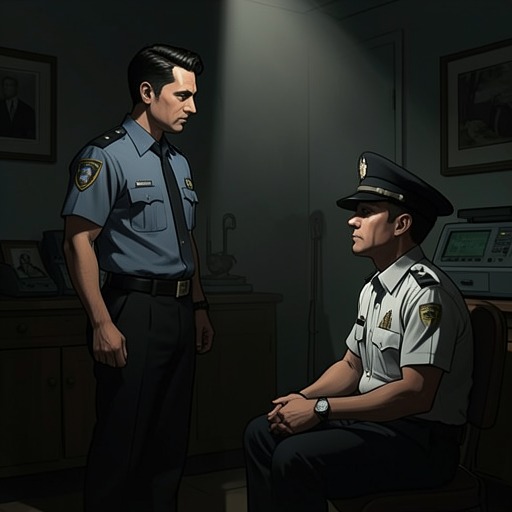
Hökberg’s escape interrupted that settled version of events. She took advantage of a momentary lapse in security at the police station and got away. The account supplies no further detail about how she passed through the station or where she went immediately afterward; its emphasis is on the sudden breach and on the events that made it consequential.
Escape and Death
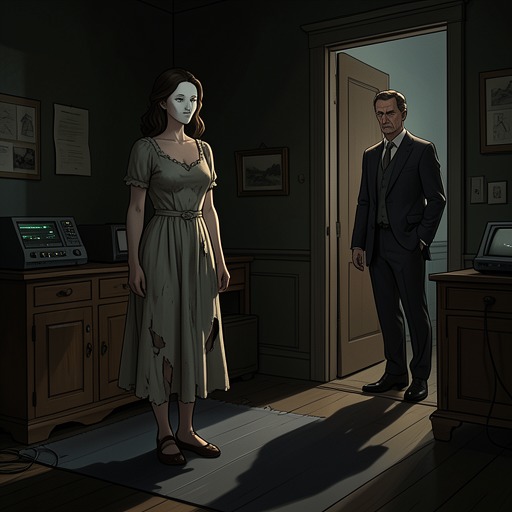
Hökberg was later found dead at the power substation outside Ystad, her body charred. The police chronology treated her death as likely to be murder, rather than as a simple continuation of the taxi-driver case. Her escape thus ended not in freedom but in a scene whose location carried consequences far beyond the investigation: the substation was an important link in the electricity-distribution grid for southern Sweden.
When Hökberg died, much of Skåne was plunged into darkness. The blackout made the substation more than the place where her body was discovered. It raised the possibility that her death had been used to disrupt critical infrastructure, turning a violent crime into a potential act of sabotage.
Consequences for the Investigation
Hökberg’s escape and subsequent death destabilized the case’s original explanation. Persson later withdrew her confession and changed her story, further weakening the idea that the two girls’ initial admission had resolved the matter. Wallander’s team had to reconsider whether Hökberg had been killed to prevent her from talking and whether her fate was connected to Falk, whose body was later stolen from the morgue and replaced with an electrical relay.
The escape therefore functions as a decisive break in the investigation: it separates the girls’ apparent admission from the larger pattern the police begin to perceive. Hökberg’s death at a strategically important substation, followed by the regional loss of power, gives the case a new scale and forces the investigators to consider concealment, murder, and infrastructure sabotage together.