Article Acceptance
HungerThe acceptance of the narrator's story for ten shillings is a pivotal event in his struggle against starvation and despair. After days of wandering, sleeping in the woods, and enduring the humiliation of pawning his belongings, he receives a letter from the editor informing him that his story has been accepted, set in type immediately, and will be printed the next day. The payment of half-a-sovereign provides a brief respite from his relentless hunger and a surge of hope that momentarily lifts him from the depths of his misery.
Background and Desperation
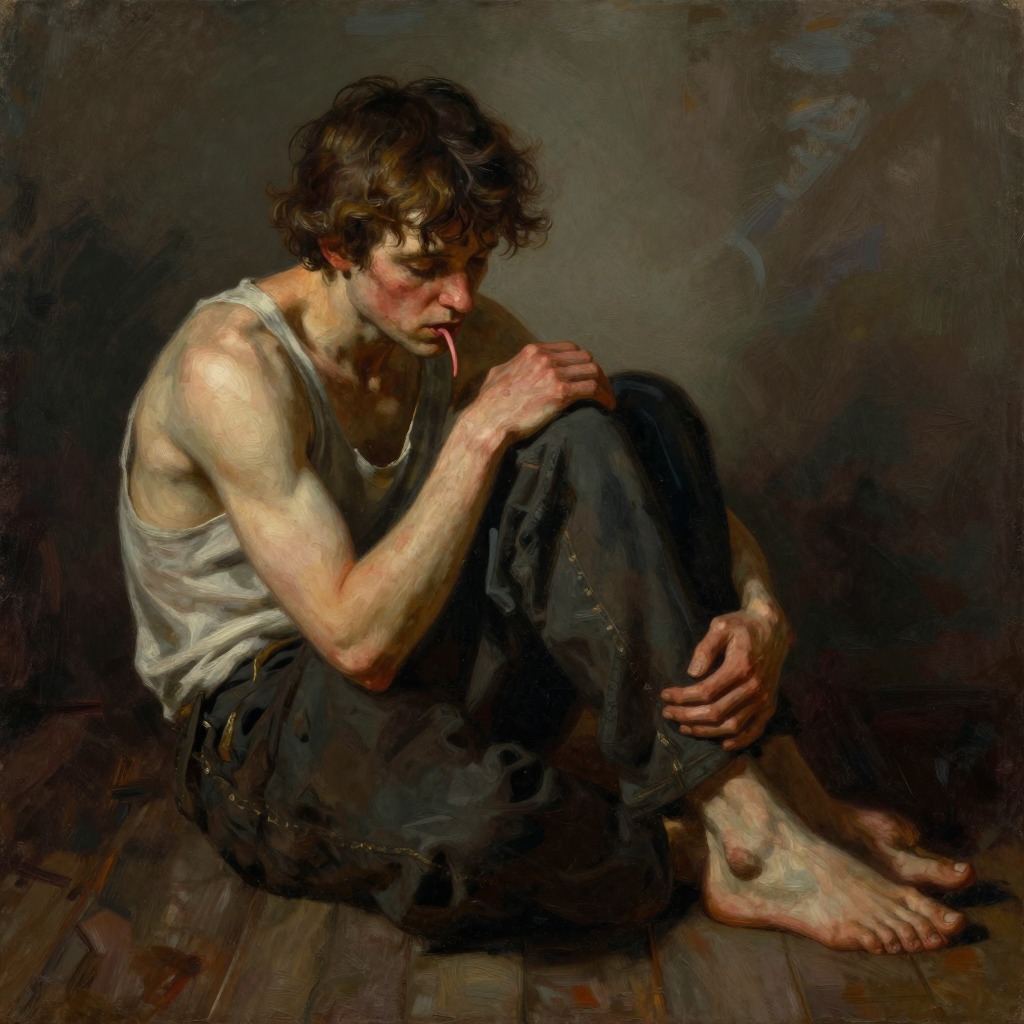
In the weeks leading up to this event, the narrator's life has been a relentless cycle of hunger and humiliation. He has pawned his waistcoat, slept in the woods, and been rejected for a job as a debt collector because he could not find the fifty shillings demanded as security. He has even offered to enlist in the Fire Brigade, but was rejected on account of his sight. His belongings have been taken one by one to his "Uncle," the pawnbroker, and he has grown nervous and irritable, often keeping his bed for the day with vertigo. He has written articles for newspapers, sometimes earning five shillings for a feuilleton, but these successes are rare and fleeting. The constant refusals and half-promises have done his courage to death, and he has become so bared of every conceivable thing that he no longer even has a comb or a book to read.
The Writing and Submission
The narrator's inspiration for the story comes suddenly one morning. He wakes early, and a few good sentences strike him, followed by more, until he writes as one possessed, filling fifteen to twenty pages without a moment's pause. He describes the experience as a vein bursting in him, with words flowing so swiftly that he misses many telling bits. He is filled with a wonderful sense of pleasure and believes this is the best thing he has ever read. He values the manuscript at five shillings on the spot, but decides it is worth half-a-sovereign. He submits it to the newspaper office, where he impresses upon the clerk that it is something of more than uncommon importance, and asks that it be given to the editor himself. He then spends the day in anxious waiting, wandering through the streets and churchyards, his confidence wavering between hope and despair. He even considers that the story might be mediocre or worthless, and fears it has already been thrown into the waste-paper basket.
The Acceptance and Immediate Aftermath
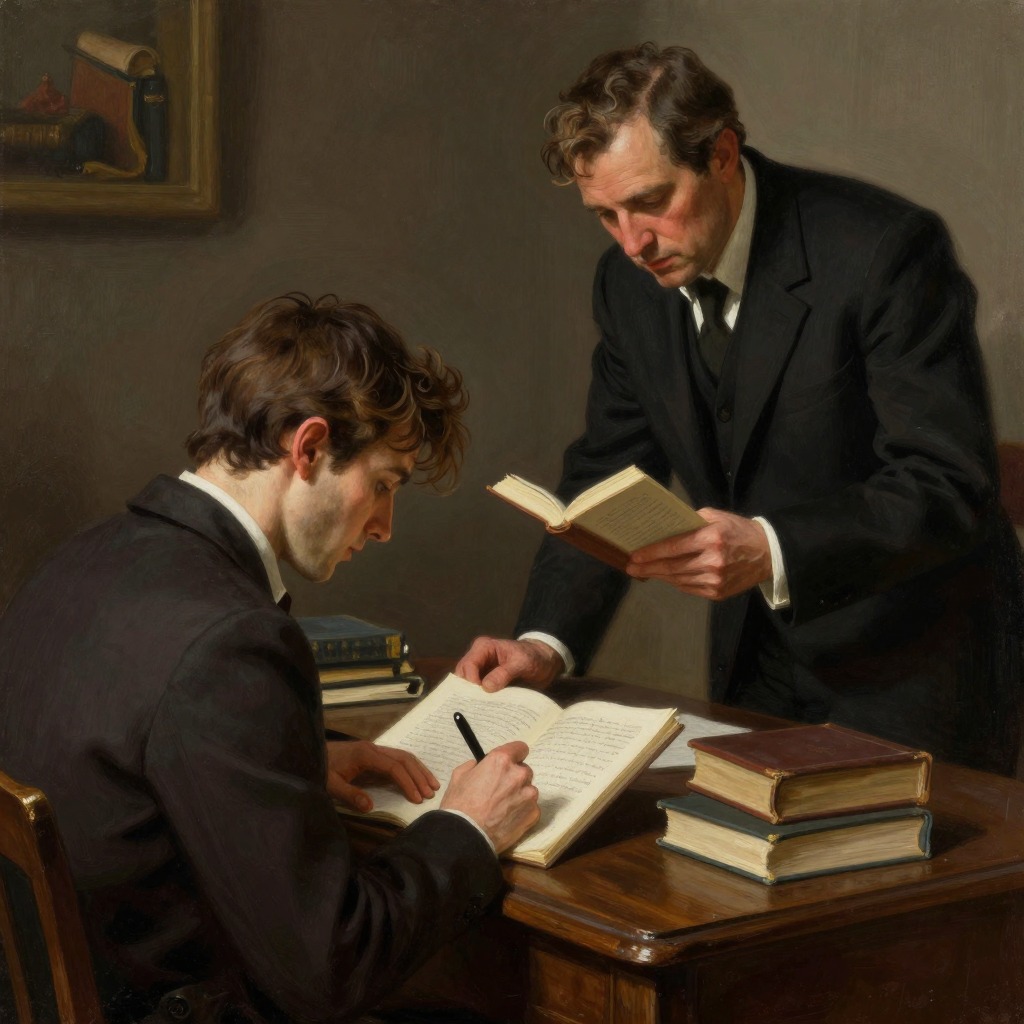
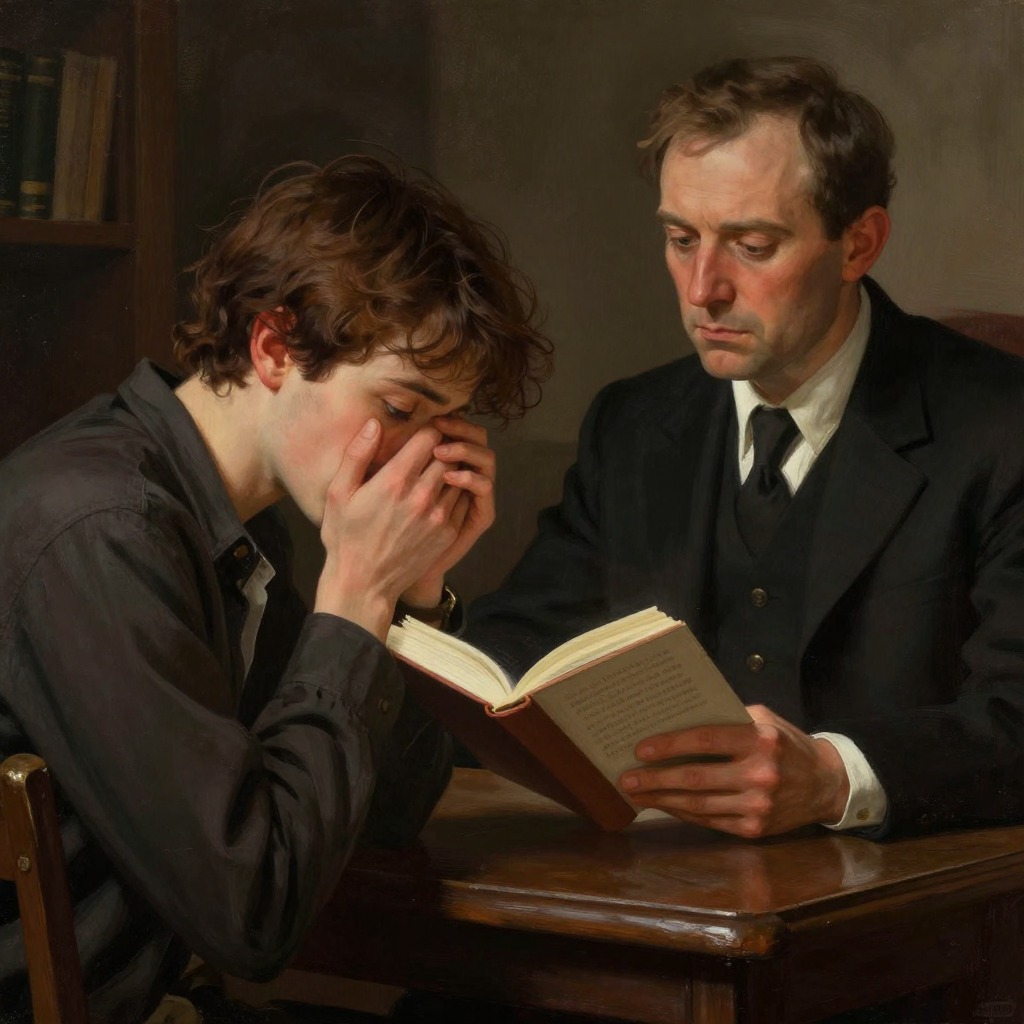
Late in the evening, after a day of fruitless searching for shelter and food, the narrator returns to his old attic room, where he finds a letter from the editor. The letter states that his story has been accepted, set in type immediately, with a few slight alterations and a couple of errors in writing amended. It is described as "worked out with talent" and will be printed the next day. The payment is half-a-sovereign. The narrator's reaction is overwhelming: he laughs and cries, takes to jumping and running down the street, stops, slaps his thighs, and swears loudly and solemnly into space at nothing in particular. He spends the entire night until the bright dawn "jodling" about the streets, repeating the words "Worked out with talent—therefore a little masterpiece—a stroke of genius—and half-a-sovereign." This moment of triumph is a stark contrast to the despair that has defined his existence, and it provides a temporary reprieve from the relentless cycle of hunger and humiliation.
Consequences and Significance
The acceptance of the story provides the narrator with a brief period of relief. He is able to pay off some debts and buy food, but the money does not last long. Within a few weeks, he is again hungry and destitute, forced to pawn his belongings and beg for assistance. The event, however, has a lasting impact on his psyche. It reinforces his belief in his own talent and the possibility of success, even as he continues to struggle. The acceptance also highlights the precarious nature of his existence, where a single stroke of luck can lift him from the depths of despair, only to be followed by another fall. The narrator's subsequent attempts to write again are marked by the same feverish intensity, but he finds it increasingly difficult to produce work that satisfies him or the editors. The acceptance of the story becomes a benchmark against which he measures his later failures, and it serves as a reminder of the fleeting nature of hope in a life defined by poverty and hunger.