Departure on the Copégoro
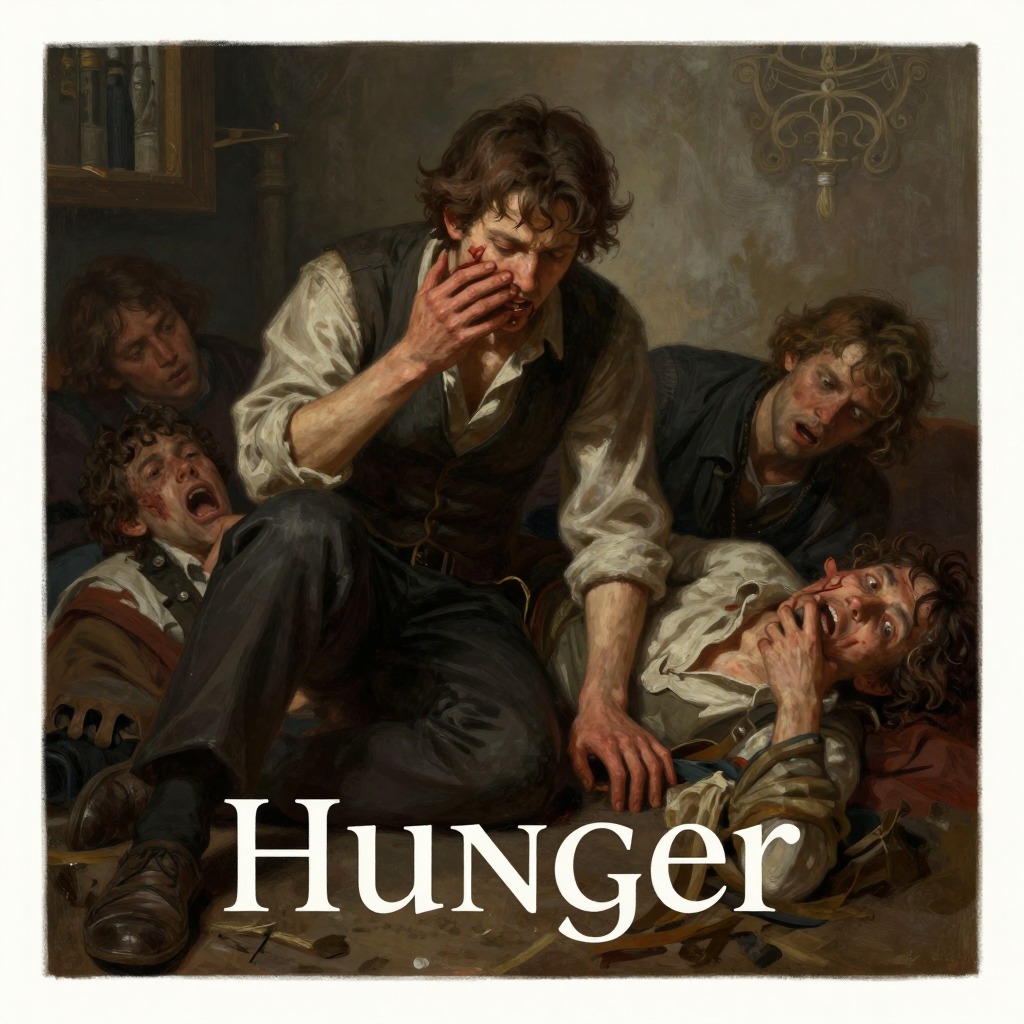
HungerThe Departure on the Copégoro is the final event of Knut Hamsun's novel Hunger, in which the starving and broken narrator, after a long winter of destitution, signs on as an unskilled crewman aboard a Russian barque bound for Leith, Scotland, and leaves Christiania behind. This departure marks the end of his ordeal in the city and the novel's conclusion, offering neither a triumphant rescue nor a death, but a precarious, open-ended escape into an unknown future.
Causes and Background
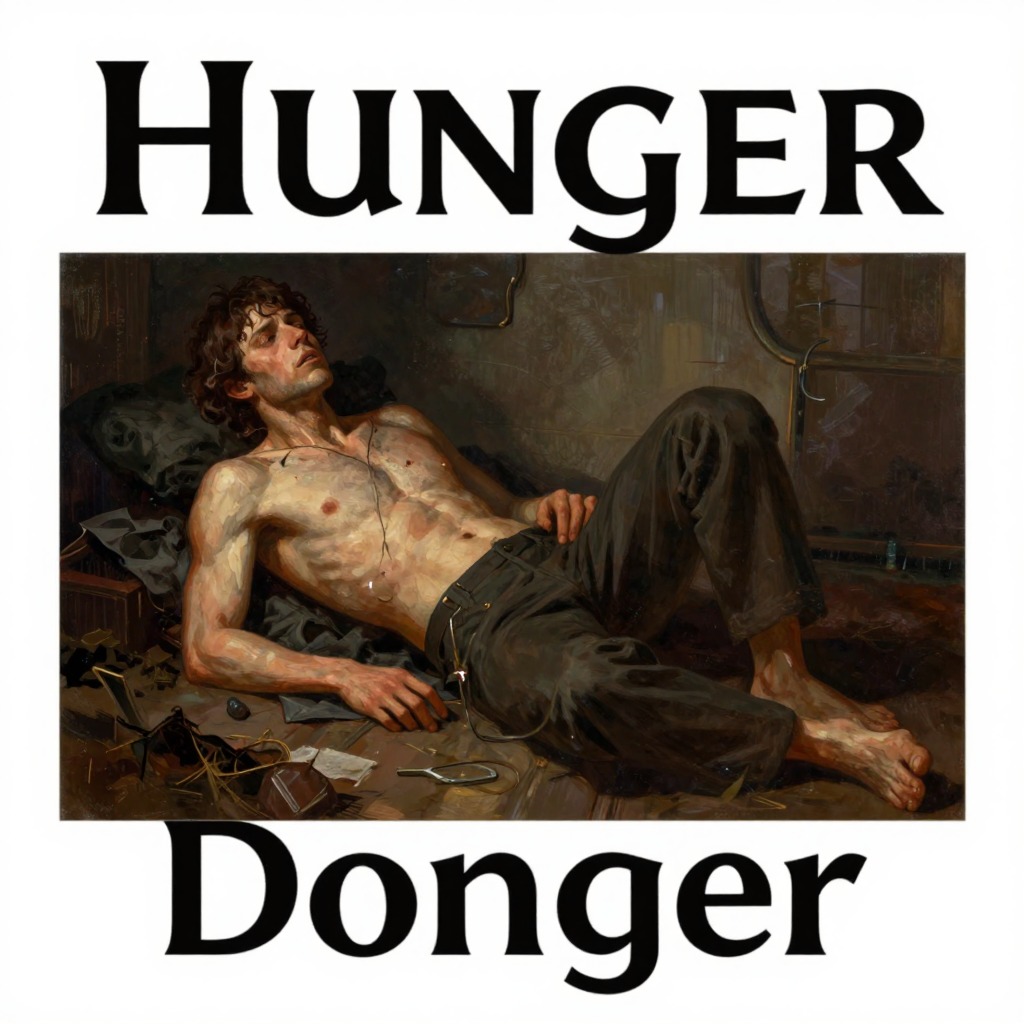
By the time of the departure, the narrator has endured months of extreme poverty and hunger in Christiania, a city from which, as he reflects at the novel's opening, "no man departs without carrying away the traces of his sojourn there." He has pawned his belongings, slept in the woods, spent a night in a police cell, and been expelled from a lodging house in Vaterland after failing to pay his rent. His physical condition has deteriorated severely: his hair falls out in masses, his feet swell, and he suffers from headaches and nervous fits. He has also torn up his manuscript for a drama called "The Sign of the Cross" in despair, and has given away a half-sovereign sent to him anonymously by Ylajali, throwing it in the face of his landlady. On the day of his departure, he has eaten nothing for twenty-four hours and has spent the morning wandering the streets, sitting on a bench near the fortress, and watching a Russian barque, the Copégoro, discharge coal at the wharf. The winter has been raw, foggy, and dark, with gas lit almost all day, and the narrator has felt himself sinking lower and lower, unable to write or find shelter.
What Happens
Late in the afternoon, the narrator, sitting on a packing-case near the wharf, catches sight of a man at the rail of the Copégoro, with the red lantern slung at the port shining down on his head. He gets up and speaks to the man, asking, "Do you sail tonight, Captain?" The man, who speaks Swedish, replies that they will sail in a short time. The narrator then asks if he might need a man, and the captain says he might, "unless it chanced to be a young fellow." The narrator, without hesitation, takes off his glasses and thrusts them into his pocket, steps up the gangway, and strides on deck. He admits he has no experience at sea but insists he can do anything he is put to. When the captain tells him the ship is in ballast for Leith, to fetch coal for Cadiz, the narrator replies, "All right, it's all the same to me where I go; I am prepared to do my work." After a moment's thought, the captain agrees to let him try, adding that if it does not work, they can part in England. The narrator is set to work immediately.
Consequences and Aftermath
Once the ship is out in the fjord, the narrator drags himself up, wet with fever and exhaustion, and gazes landwards. He bids farewell for the present to the town, to Christiania, where the windows gleam so brightly in all the homes. This final image of the city's warm, lit windows contrasts sharply with the narrator's own cold, dark, and homeless condition throughout the novel. The departure does not resolve his hunger or his poverty; he is still feverish and exhausted, and he has signed on as an unskilled laborer with no guarantee of success. The captain has made clear that the arrangement is provisional. The event thus closes the novel on a note of radical uncertainty: the narrator leaves behind the city that has been the site of his suffering, but he carries his broken body and his uncertain future with him onto the ship. The departure is not a return to health or society, but a continuation of his wandering, now beyond the boundaries of Christiania.