Carl Johann Street
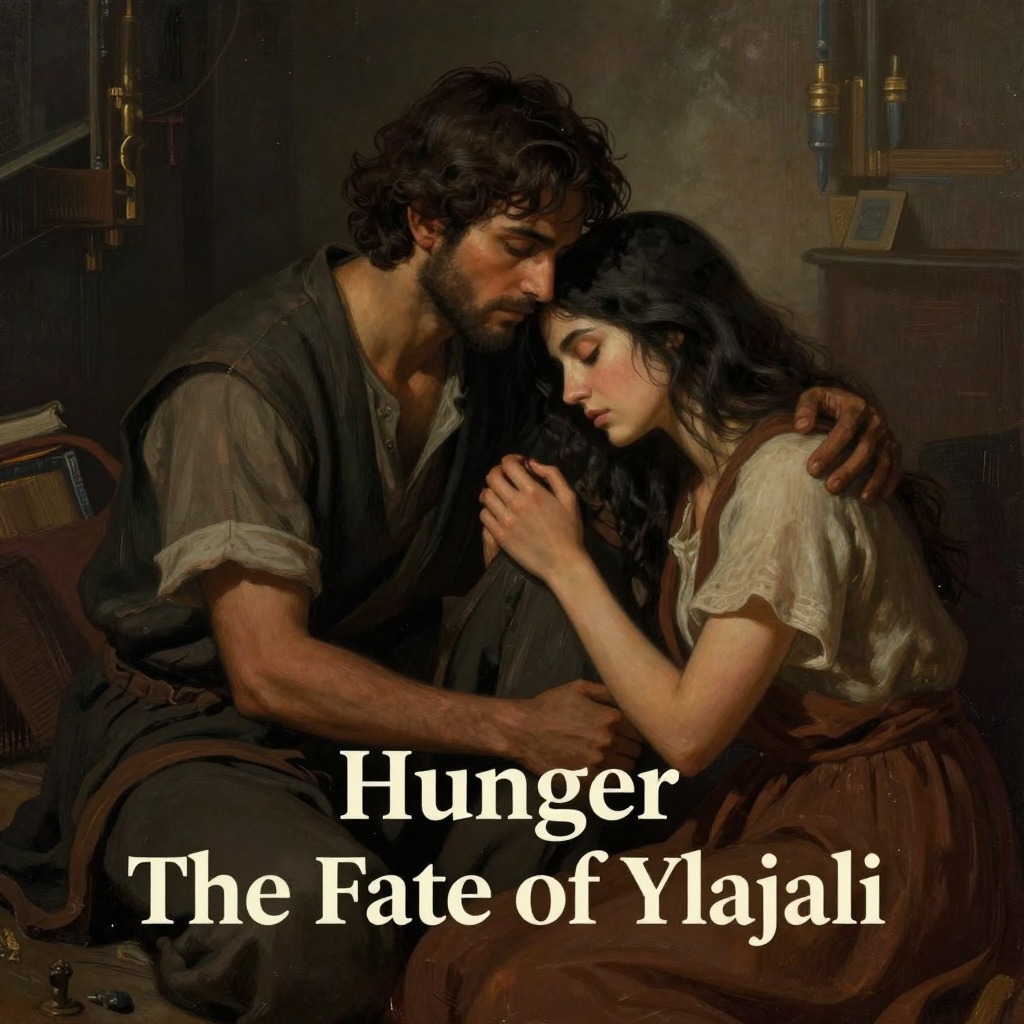
HungerCarl Johann Street is the grand, bustling spine of Christiania, and in Knut Hamsun's Hunger, it serves as the primary stage for the unnamed narrator's public ordeal. More than a mere setting, this thoroughfare becomes a relentless psychological arena where the protagonist's poverty, hunger, and incipient madness are exposed, tested, and exacerbated by the very life that flows around him. It is the place where he is most visible and most invisible, a space of crushing contrast between the city's vibrant social parade and his own desperate, isolated condition.
Geography and Atmosphere
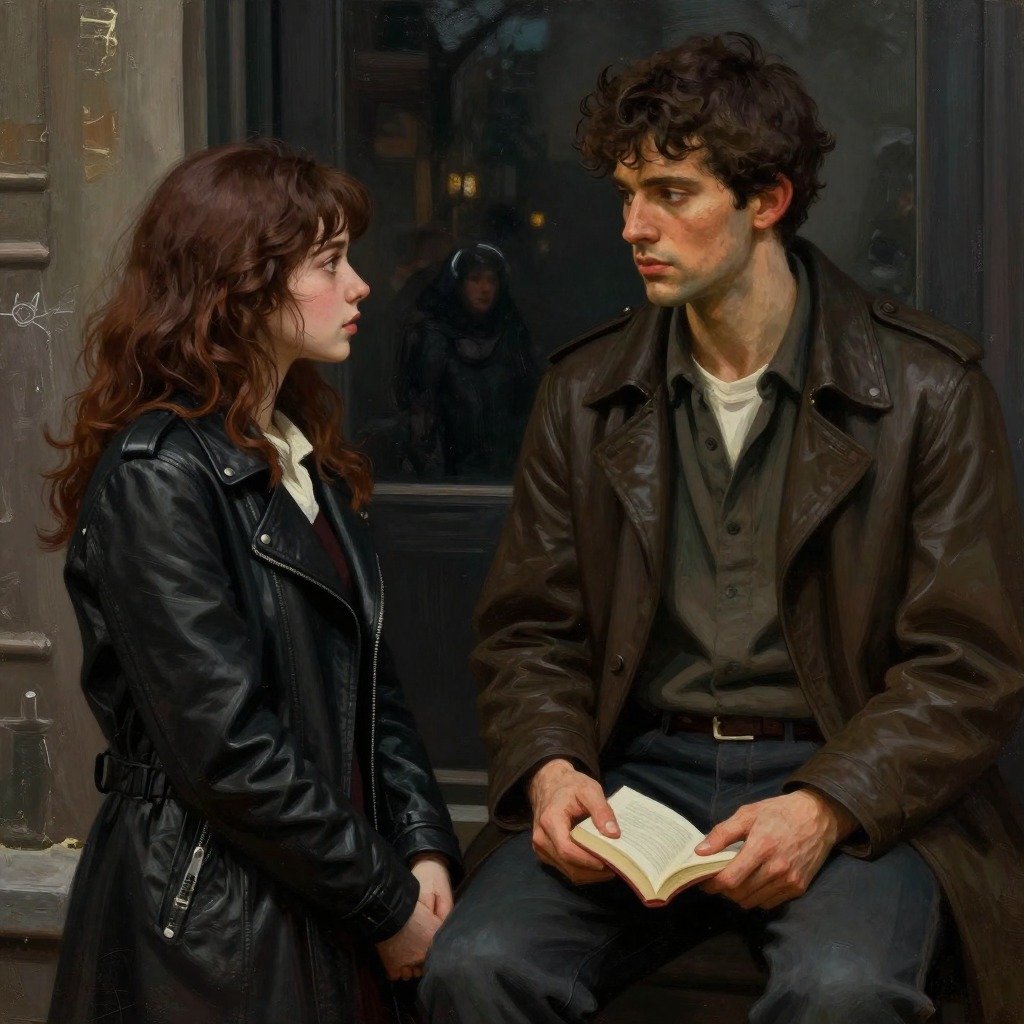
Carl Johann Street is the city's main promenade, a place of fashionable display and social ritual. The narrator describes the "clamorous traffic everywhere" that exhilarates him at first, the "roll of vehicles and hum of voices" that fill the air, and the "bowing and laughing folk" who walk up and down during the fashionable hour. This is a space of light, noise, and movement, where the gas lamps glow and the "pairing time" of evening brings "rustling petticoats, sensual laughter, heaving bosoms." Yet this vibrant atmosphere is a cruel counterpoint to the narrator's state. The street's brightness and gaiety only sharpen his sense of exclusion, and its very energy can turn oppressive, as when the raw, wet winter sets in, a "foggy, dark, and everlasting night" where sounds are choked and muffled, and the gas is lit almost all day.
The Stage of Social Performance and Humiliation
For the narrator, Carl Johann Street is a stage where he must perform a semblance of normalcy while his body and spirit crumble. He walks its length to kill time, to observe, and to seek opportunities, but every interaction threatens to unmask him. He encounters acquaintances like Missy, to whom he lies about being a bookkeeper at Christensen's wholesale house, and he is forced to dodge others, slipping "unperceived" past them. The street is where he is publicly humiliated, as when a policeman shoves him for causing a disturbance, or when he is reduced to begging a bone for a dog from a butcher. It is also where he experiences the most intense pangs of hunger, stopping to read the bill of fare at the Dampkökken and shrugging his shoulders as if the food is beneath him, a pathetic act of pride. The street's relentless social scrutiny forces him into a constant, exhausting performance of dignity that his condition cannot sustain.
The Site of Encounters and Psychological Crisis
Carl Johann Street is the setting for several pivotal encounters that drive the narrative. It is here that he first sees the lady he names Ylajali, following her from the street up to St. Olav's Place. Later, he meets her again on the street, walking with "The Duke," a sight that fills him with jealousy and self-loathing. The street is also where he meets the "Commandor," the editor who gives him a half-sovereign, an act of charity that both saves and shames him. Beyond these encounters, the street is the backdrop for his most extreme psychological states. He walks its length in a fever, talking to himself, swearing, and laughing maniacally. He tears up his manuscript and tramples his hat on the pavement. The street's public nature amplifies his private madness, turning his internal collapse into a visible, shameful spectacle. It is the space where his struggle for survival is most nakedly on display, a relentless gauntlet of hunger, humiliation, and the desperate search for a way out.