Tivoli
HungerThe Tivoli is a theatre of varieties, garden, and entertainment venue in Christiania that appears in Knut Hamsun's Hunger as a site of sensory stimulation, social contrast, and the protagonist's fluctuating psychological states. It serves as a backdrop for moments of acute observation, erotic fantasy, and the painful collision between the narrator's destitution and the city's leisure culture.
Location and Atmosphere
The Tivoli is situated in central Christiania, near the city's main thoroughfares. The narrator observes a large, brown dog with a narrow collar of German silver springing across the street towards the shrubbery and then down towards the Tivoli, indicating the venue's proximity to the city's public spaces. The establishment is associated with bright lights and crowds: the narrator notes a long row of coloured lamps burning over at the Tivoli on a clear evening when the snow has stopped and the sky is clear. This illuminated spectacle stands in stark contrast to the narrator's own darkened, impoverished existence.
The Tivoli as a Site of Social Contrast and Desire
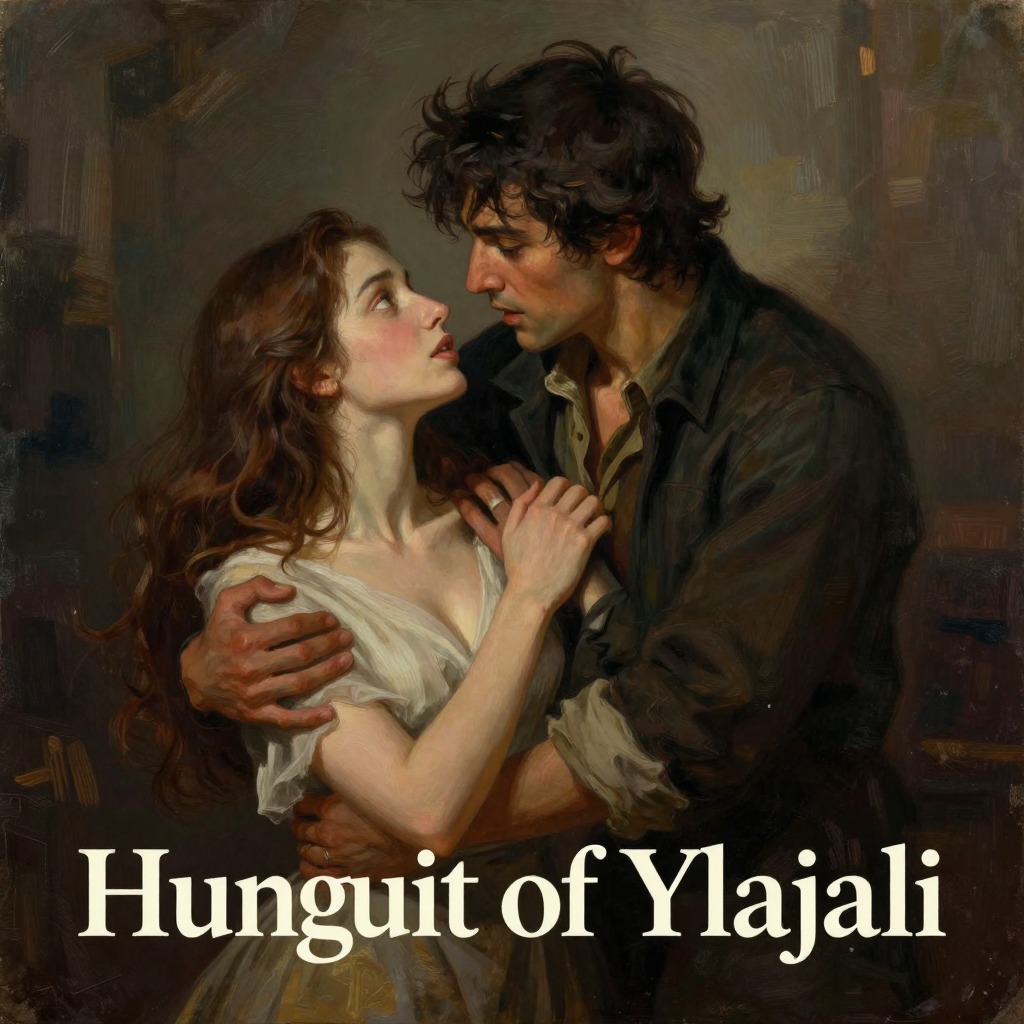
The Tivoli embodies the leisure and pleasure that the starving narrator cannot access. When walking with Ylajali, he considers whether she might wish to visit the menagerie there, but immediately recoils at the thought: he imagines her shame at his shabby clothes, his lean face, and the fact that he has no waistcoat. He deflects by dismissing the menagerie as unworthy, claiming that small caged animals are not interesting because they know they are being watched. This evasion reveals the Tivoli as a threshold the narrator cannot cross without exposing his degradation. The venue also figures in the narrator's erotic fantasies: during a night of delirium in the guard-house, he mentally debates whether his newly discovered word "Kuboa" should signify "God or the Tivoli," linking the pleasure garden with the highest spiritual and cultural categories in his disordered mind.
The Tivoli and the Narrator's Psychological States
The Tivoli appears at moments of heightened sensory awareness and psychological crisis. During his first day of wandering, the narrator's acute perception of a dog running towards the Tivoli is part of a broader state of hyper-clarity in which nothing escapes his notice. Later, after a failed attempt to beg from Cisler the music-seller, the narrator walks past the Tivoli, and the memory of the venue is embedded in a sequence of humiliation and despair. The Tivoli's lights and music also contrast with the narrator's isolation: on the night he sleeps in the woods, he hears the distant sounds of the city, and the Tivoli's festive atmosphere is a world away from his cold, damp bed of heather and juniper leaves.
The Tivoli and the Theme of Animality
The Tivoli's menagerie provides a lens for the narrator's reflections on animality, which resonate with his own animal-like hunger. He tells Ylajali that he prefers to see animals that do not know they are being observed—shy creatures that nestle in their lair with sluggish green eyes, licking their claws. This preference for hidden, wild savagery over caged display mirrors his own condition: he is a creature of the city's margins, observed and judged, yet driven by primal, ungovernable needs. The Tivoli, as a site where animals are exhibited for public entertainment, becomes a symbol of the very exposure and objectification the narrator both fears and enacts.
Narrative Significance
The Tivoli functions as a recurring marker of the social and sensory world from which the narrator is excluded. It is a place of light, music, and collective pleasure that he can only observe from the outside, and its presence in the narrative underscores the gap between his inner life—filled with fantasy, delirium, and desperate schemes—and the ordinary entertainments of Christiania's citizens. The Tivoli is never entered by the narrator; it remains a threshold, a tantalizing but inaccessible space that defines the boundaries of his hunger and his alienation.