Martin Brody
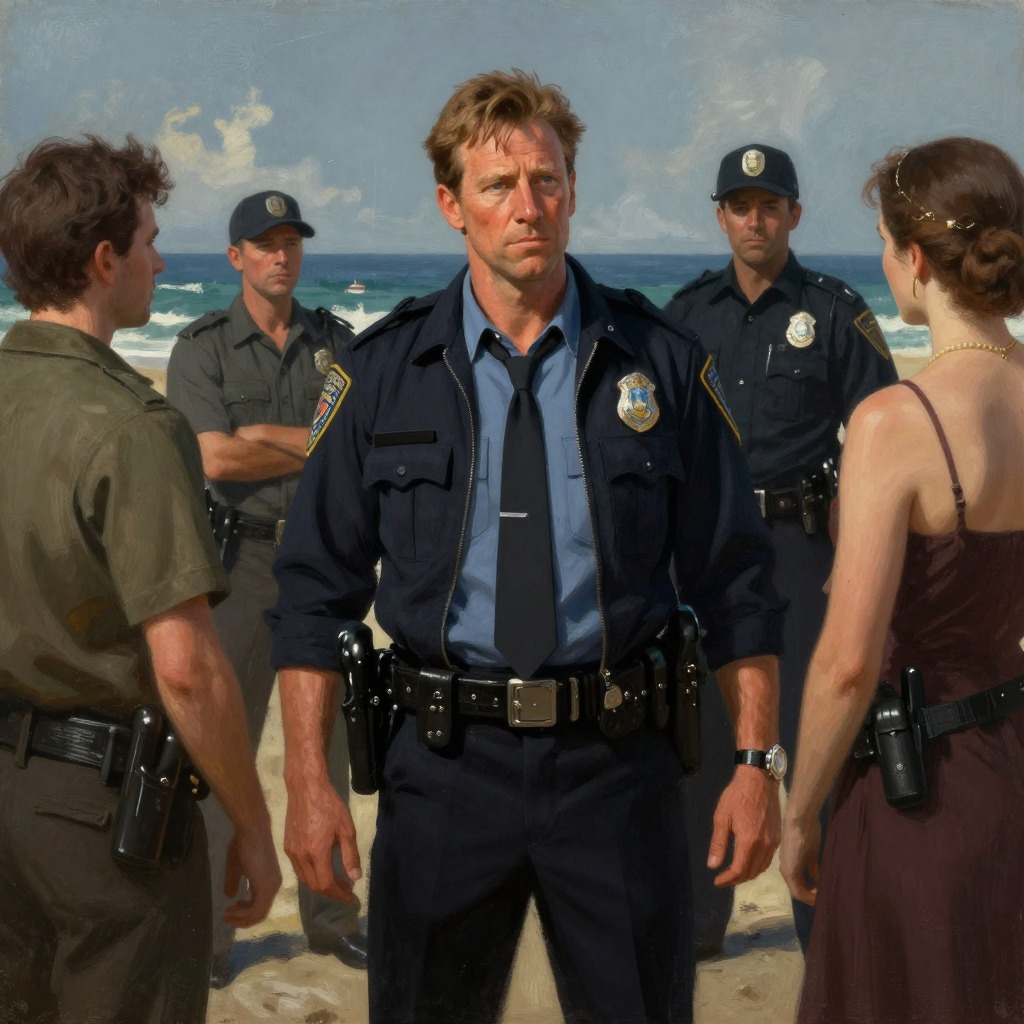
JawsMartin Brody is the police chief of Amity, a small Long Island resort town whose winter population of 1,000 swells to nearly 10,000 each summer. A six-foot-one, two-hundred-pound former patrolman who rose through the ranks, Brody is a fundamentally decent and sincere man, but he is also deeply insecure about his social standing and his marriage to Ellen Brody, a Wellesley-educated woman from a wealthy summer family whom he met when he arrested her drunk date. He is acutely aware that his job—and his wife—place him in a world he does not fully belong to, and this awareness breeds a defensive, sometimes prickly pride.
Identity and Background
Brody was born and raised in Amity, the son of a working-class family. He became a policeman at a young age and was elected chief, a position he holds with a mixture of pride and anxiety. He is a poor swimmer who has nightmares about deep water populated by "slimy, savage things," a fear that makes his eventual confrontation with the shark all the more harrowing. His marriage to Ellen, though loving, is strained by her lingering nostalgia for the privileged life she left behind and his own feelings of inadequacy. He is a devoted father to his three sons—Billy, Martin Junior, and Sean—but his work often keeps him from them.
Arc Through the Plot: From Duty to Guilt to Obsession
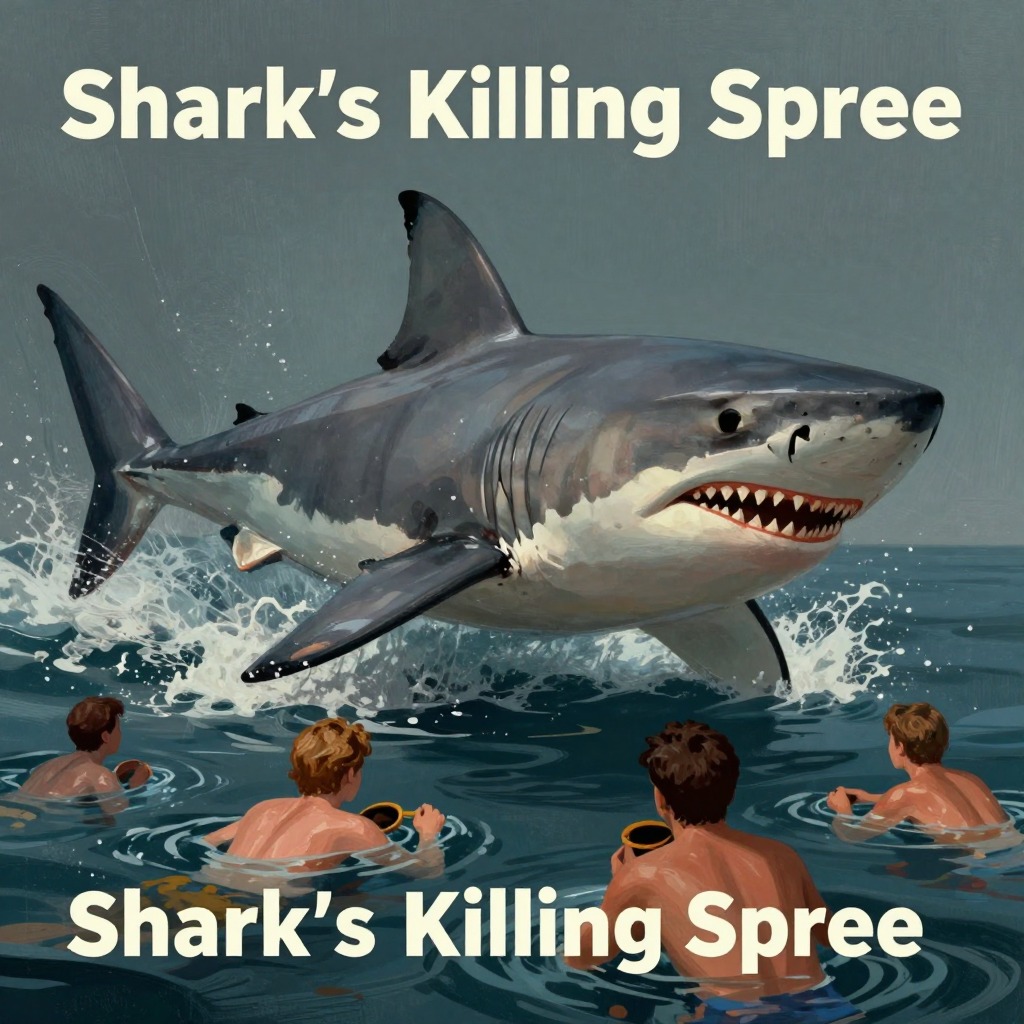
Brody's initial response to the first shark attack on Christine Watkins is professional and cautious: he wants to close the beaches and warn the public. But he is overruled by Mayor Larry Vaughan and editor Harry Meadows, who argue that the economic consequences of a panic would be catastrophic for Amity. Brody reluctantly acquiesces, a decision that haunts him when the shark kills again—first a six-year-old boy, Alexander Kintner, and then an elderly man, Morris Cater. The boy's mother confronts Brody in his office, slapping him with a newspaper and screaming, "You killed Alex!" The accusation crystallizes Brody's guilt, and he begins to see the shark not just as a threat but as a personal nemesis, a symbol of his own failure.
Key Actions and Objectives
Driven by guilt and a sense of responsibility, Brody becomes the driving force behind the effort to kill the shark. He hires the grizzled charter boat captain Quint, despite Quint's exorbitant fee of four hundred dollars a day in cash, and he insists on joining the hunt himself, even though he knows nothing about fishing and is terrified of the water. He also reluctantly accepts the help of Matt Hooper, a young ichthyologist from Woods Hole whose expertise and easy familiarity with Ellen stir Brody's jealousy. On the boat, Brody's resentment of Hooper boils over into a physical confrontation when he suspects Hooper of having an affair with Ellen, a suspicion that is later confirmed.
Relationships and Conflict
Brody's relationships are defined by conflict and mistrust. With Vaughan, he is a reluctant pawn in a scheme involving mob money and real estate speculation; Vaughan threatens to have Brody fired if he closes the beaches, and Brody later confronts him with the strangled corpse of his son's cat, a warning from Vaughan's mob partners. With Hooper, Brody is competitive and hostile, resentful of the younger man's wealth, education, and apparent intimacy with Ellen. With Quint, Brody finds a grudging respect born of shared danger, but Quint's monomania and contempt for Brody's inexperience create a tense dynamic. Only with Meadows does Brody have a genuine friendship, though even that is tested by Meadows' initial complicity in suppressing the news of the first attack.
Change and Ending
Brody's arc culminates in the final confrontation with the shark aboard the Orca. After Hooper is killed in the shark cage and Quint is dragged to his death by a harpoon line tangled around his leg, Brody is left alone in the water as the sinking boat disappears beneath him. The shark approaches, its snout nearly touching him, but then it sinks away, trailing Quint's body. Brody, clutching a seat cushion, begins to kick toward shore. In this moment, he has shed his guilt, his fear, and his self-doubt. He has faced the monster and survived, not through heroism but through endurance. The ending is ambiguous: the shark is dead, but so are Hooper and Quint, and the town of Amity is economically ruined. Brody's survival is a hollow victory, but it is a victory nonetheless.
Narrative Role and Evaluation
Brody is the novel's protagonist and moral center, a round character whose journey from passive guilt to active, if reluctant, heroism drives the plot. He is a classic "everyman" thrust into extraordinary circumstances, and his internal struggles—with his conscience, his marriage, and his own inadequacy—give the story its emotional weight. His final, solitary swim toward shore is a powerful image of resilience and the possibility of redemption, even in the face of overwhelming loss.