Atalia Abravanel–Mija marriage
JudasAtalia Abravanel and Mija Wald’s marriage was brief, but its consequences endure long after Mija’s death in the 1948 war: Atalia remains part of the household of his father, Gershom Wald, while their shared loss shapes the family’s years of seclusion and silence.
Marriage and Household
Gershom recalls that Atalia and Mija married in 1946. A few weeks afterward, he accepted Shaltiel Abravanel’s invitation to move into the house, where Atalia and Mija were then living in Gershom’s attic. The recollection places the marriage within an already close domestic arrangement joining the two families.
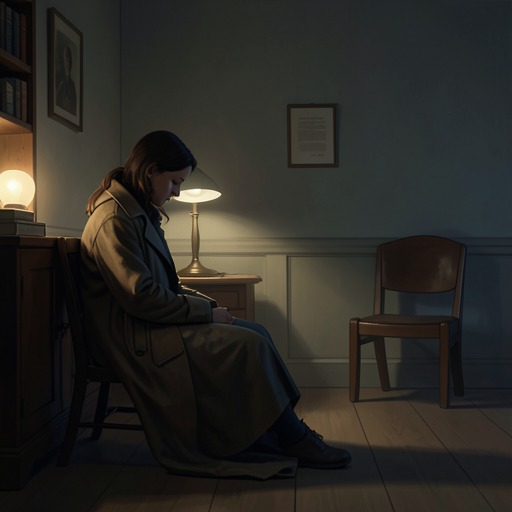
The marriage lasted only about a year, or perhaps a year and a half. A later account describes Atalia as Mija’s wife for that short period and notes that, after his death, neither she nor Gershom had anyone else left to them. The household that persisted after the marriage was therefore also a household formed around bereavement.
Mija’s Death and Its Aftermath
Mija was Gershom’s only son. He was killed on April 2, during the war approaching Israel’s establishment, and his death ended his marriage to Atalia. Gershom’s account makes clear that the loss did not recede with time: for more than ten years he had been unable to sleep at night, repeatedly reliving the event in memory.
After Mija’s death, Gershom, Atalia, and Shaltiel withdrew into the house. During the Jordanian siege of Jerusalem, its thick stone walls protected them from bullets and shells; beyond that immediate shelter, the house became the setting of their prolonged seclusion. The brief marriage thus remains present not as a continuing partnership but through the shared life and grief it left behind.
Narrative Significance
The marriage connects two generations of loss: Atalia’s short-lived life as Mija’s wife and Gershom’s enduring grief as Mija’s father. It also explains why Atalia remains in the household after her husband’s death. A visitor later describes her as the only person left with Gershom, a plain social fact that gives their continuing domestic bond its weight without suggesting that it replaces the marriage.
Gershom’s recollections reveal how the family’s political and private histories converge. The war takes his only son; the ensuing silence isolates those left in the house. The marriage is therefore a pivotal but compressed relationship in the story: its duration is measured in little more than a year, while its aftermath governs the family’s life for far longer.