The Gold-Plated Bone Sculptures
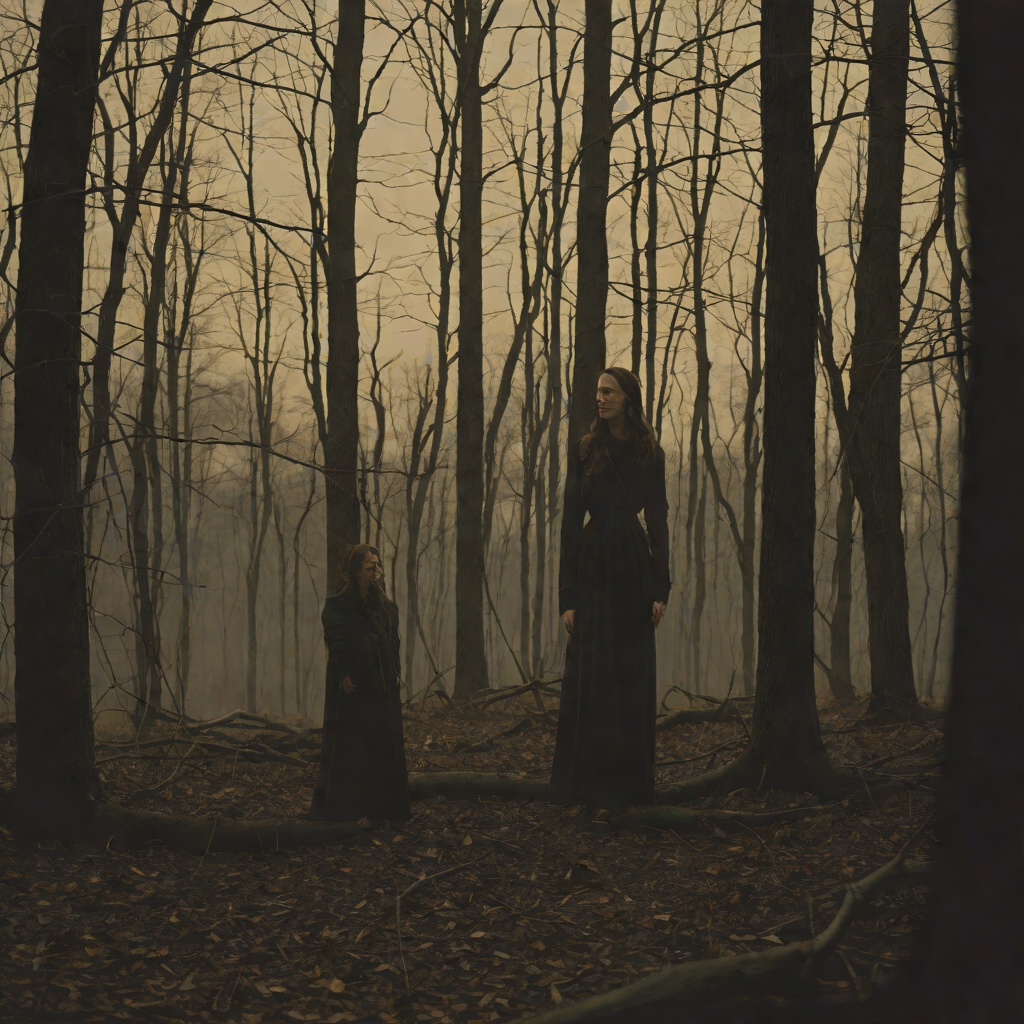
NightbitchThe Gold-Plated Bone Sculptures are the mythical animal skeletons that Nightbitch fashioned during her graduate studies, when she took the broken bodies of deer, raccoons, rabbits, and coyotes and stripped the rotting meat from their bones. She cleaned and bleached the bones, sanded and polished them, donning a full-body protective suit and a monstrous gas mask to keep the bone dust from her clothes and her lungs. With jeweler's tools she hollowed the bones, then plated the insides with gold or silver, and when she could afford it, she inlaid gems. She wandered through the surrounding forests identifying cherry, walnut, and pine, cutting branches to be cured, then smoothed and carved the wood, combining it with bones, metals, and even furs to create the skeletons of new, mythical animals. For this work she was praised hugely, her professors exclaiming at the artistry and the skill set required to prepare the bones, refine them, and add fine metals and gems. She had not only created imaginative and original pieces but also showcased a vast array of sophisticated techniques.
Origins in the Appalachian Upbringing
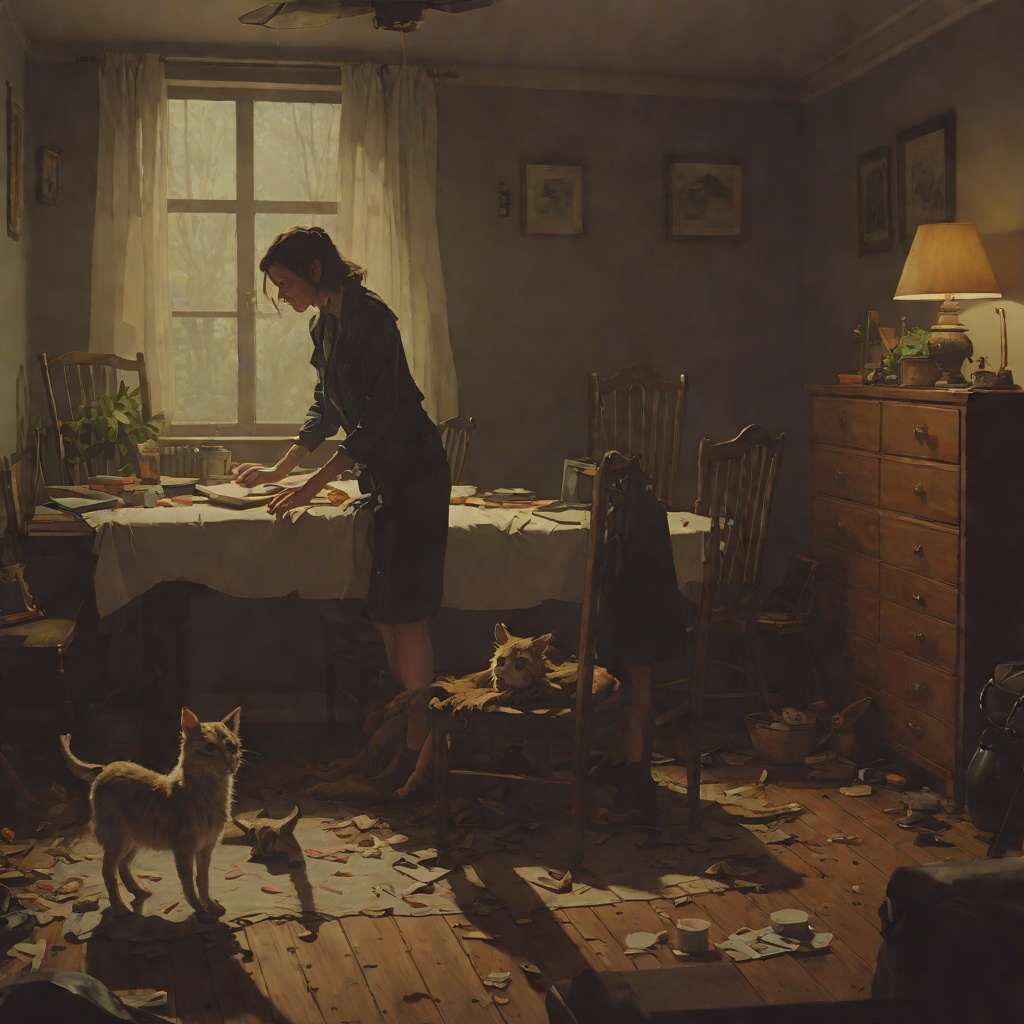
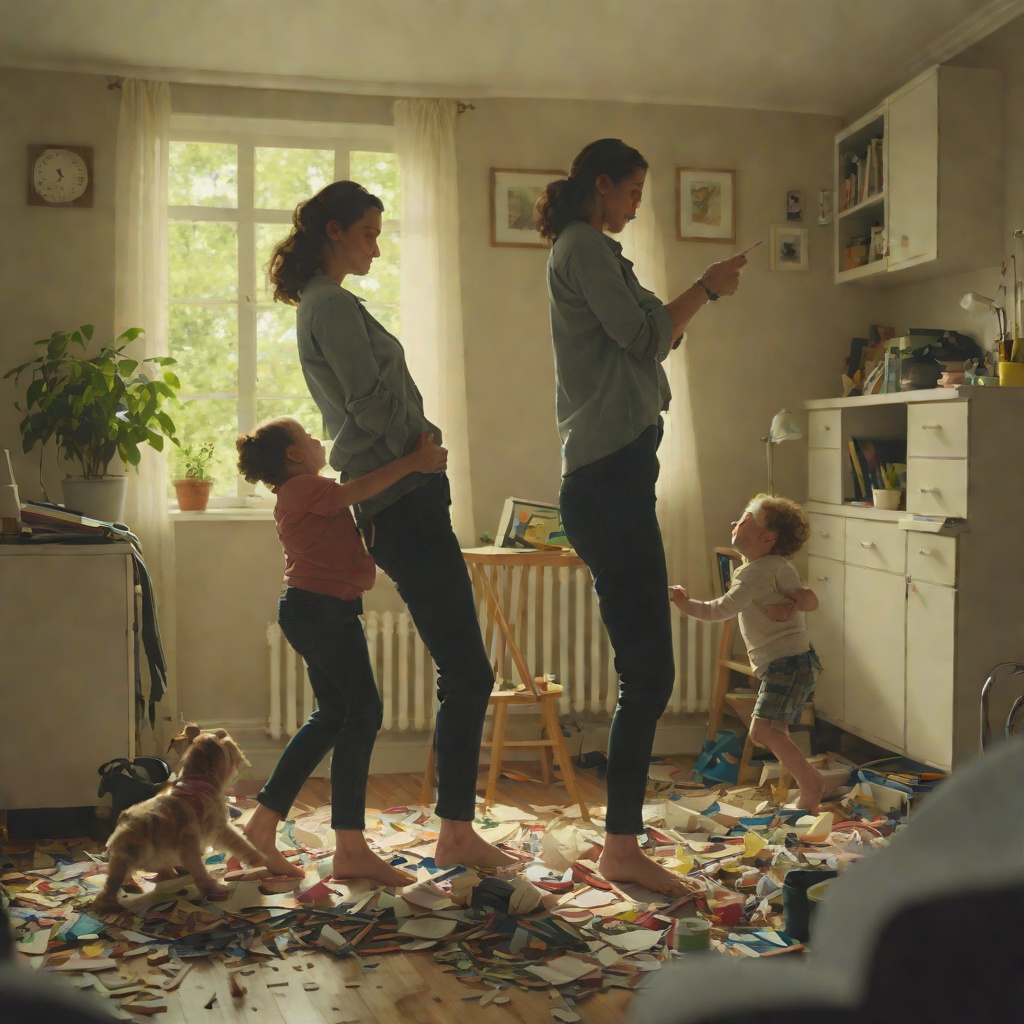
The bone sculptures drew directly on the skills Nightbitch had gathered during her quiet Appalachian upbringing, the same homesteader aesthetic she had emphasized in her graduate school personal statement. She knew how to keep bees, dip candles, brush wool, use a spinning wheel and make yarn, dry onions and garlic, develop photographs with vegetable juices, bake anything, make every sort of braid, sing every sort of song, and track an animal through the woods. She knew her cardinal directions and how to tell a fast pony from a slow one just from the look of its face. Yet this deep knowledge stood in ironic contrast to her domestic situation: she could make a world, and then make a person to live in that world, while her husband, with his electronics skills and his engineering, was the one who made all the money. The sculptures thus embodied a tension between her formidable creative capability and the social arrangements that devalued it.
The Return in the Final Performance
Years later, the Gold-Plated Bone Sculptures reappear as the centerpiece of Nightbitch's final stage performance, the event for which she is best known. Small piles of bones, glinting with gold, dot the dark stage as Nightbitch stands in the center and raises her open hands at her sides. Slowly, as the music fades and a dull, low note throbs into the theater, she raises her palms as if conducting the slowest and most silent orchestra ever imagined. As her hands float up, the piles of bones shift and glimmer, the gold plating catching the spotlight and reflecting it back in a million brilliant shards. The bunnies that had arrived onstage hop off in fear as the bones rise, as if on strings, as if they were otherworldly zombie marionettes, though the audience can see no strings or other trickery no matter how intently they squint. The bones take on the shapes of small animals, though not an ordinary sort: one is a type of coyote with long ear bones reminiscent of prairie rabbits, another seems a deer but with a tiny catlike head, yet another has the hind legs of a rabbit and a set of the tiniest antlers that could not have been found in nature. Still, the audience reports a natural quality to the bone animals, a logical quality even, as they make sense within the world of Nightbitch, their small delicate movements, their heads twitching back and forth, their small careful steps, the ways they tumble to the black floor and then move back into alignment, reconstituting themselves as if through the power of a god.
The Enchanted Hunt
It is then that Nightbitch and the bone animals perform an uncanny choreography that critics call an enchanted hunt, as Nightbitch by turns moves in time with and then in hunt of the gilded skeletons, all to the throb of the low, dark music. The audience reports they could have watched the performance endlessly, so rapt were they by the animal movements of the woman and the bones, which seem to float effortlessly about the stage all on their own, so stupefied were they by the spectacle, so perplexed by what they were seeing, unable to separate reality from artistry. The bone animals thus function as the aesthetic bridge between Nightbitch's two selves: the graduate student who once transformed roadkill into art and the feral mother who now hunts and kills onstage. They are the one element of her former artistic identity that survives intact into her new life, and they elevate her raw violence into something the critics can call magnificent artistic drama.
The Backyard Precursor
The bone sculptures also have a direct precursor in the backyard performance Nightbitch stages for the mothers, where a spotlight shining from an upstairs window lit a wooden stage as the creature snarled and snapped, pushed a bell jar from its place and smashed it, then hungrily devoured the steak laid out for her. The mothers sat patiently, transfixed, watching and watching as blood smeared over her face, her cheeks and chin, her eyes alight with madness, power, ecstatic knowing, or feral femininity. That earlier performance, with its raw meat and broken glass, established the template that the final stage show would refine and aestheticize through the gilded bones, transforming mere shock into a choreographed spectacle that critics would analyze and condemn and look at from every angle possible.
Significance as Art and Transformation
The Gold-Plated Bone Sculptures ultimately represent the reconciliation of Nightbitch's abandoned artistic career with her monstrous transformation. Where her graduate work had been praised for its technique and imagination, the same skills now serve a performance that critics, writers, animal-rights activists, and the public at large would debate endlessly. The sculptures are the tangible proof that the creative impulse she thought had died during pregnancy and motherhood, when not a single creative impulse remained inside her no matter how she searched, had not vanished but had gone underground, waiting to reemerge in a form that fused her homesteader craft with her feral rage. In the final performance, the bones rise not as mere props but as the materialization of everything she had been told to give up, returning to dance with her in a hunt that blurs the line between art and life, between the woman who made mythical animals and the dog who became one.