Beyond
PleasureBeyond is understood as a possible destination for the soul after death, but the passages that invoke it present it through characters’ beliefs and imaginings rather than confirming what lies there. Its meaning shifts between consolation and threat: Rika can picture possibilities beyond her death, while Malaya pleads that Guin not be taken from her.
A Destination Beyond Death
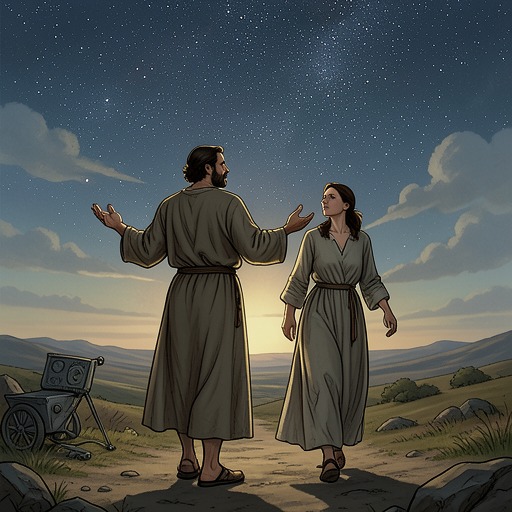
Rika describes death as a passage into a wider existence of many realms and dimensions. She imagines that she might find the husband and family she has wished for in the place she is going, and takes some pleasure in inventing whatever she wants beyond death. That imaginative freedom gives Beyond a hopeful aspect, even as Rika acknowledges that she will grieve the people she leaves behind.
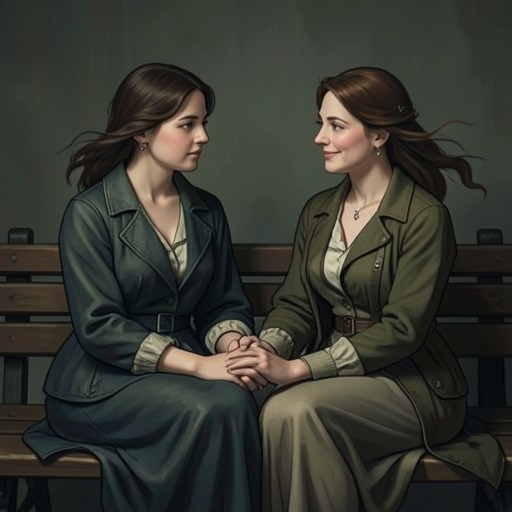
Rika also frames her own death through Malaya’s faith. She understands that Malaya prays for her soul to enter Beyond, where Drenna will greet her and eternal darkness will comfort her. Rika does not take these prayers as rejection: she sees them as an expression of Malaya’s love and as a source of strength in facing her future.
Invoked Against Loss
When Guin is gravely injured, Malaya turns to Drenna and M’gnone in desperate prayer. She asks Drenna not to take him yet and fears that M’gnone may punish her for having wasted Guin’s love through vanity and self-absorption. In this moment, Beyond is not a destination Malaya can contemplate calmly; the possibility of Guin’s soul departing makes her confront both his mortality and her regret.
Malaya’s repeated declaration of love to Guin answers that fear with an insistence on their bond. The scene does not establish whether Guin dies or what happens to a soul after death. Beyond remains an object of faith and imagination, shaped by the living characters’ hopes, grief, and dread.