Maggie
QueenieMaggie, Queenie Jenkins’s aunt and Diana’s mother, is a vivid, opinionated family presence whose care rarely arrives without commentary. She warns Queenie against men, polices her sexual and religious choices, and initially opposes her seeking psychotherapy; yet when Queenie is overwhelmed by panic, Maggie comes to her aid, and at a later family gathering she is part of the warmth Queenie is learning to accept. Her character is built around that tension: help and judgment, affection and intrusion, often expressed in the same breath.
Identity and Family Presence
Maggie is described as a big woman in every sense: visually conspicuous, socially expansive, and confident in her own opinions. Her appearance changes with a new wig seemingly every week. She avoids black clothing because she finds it depressing and insists on wearing more than one pattern, explaining that Jesus wants life to be colorful. The book connects her color-conscious style to a brief artistic career, though Queenie observes that Maggie created more hype around herself than actual art. Maggie is also intensely religious, and Queenie associates religion in the family with admonishment as much as belief.
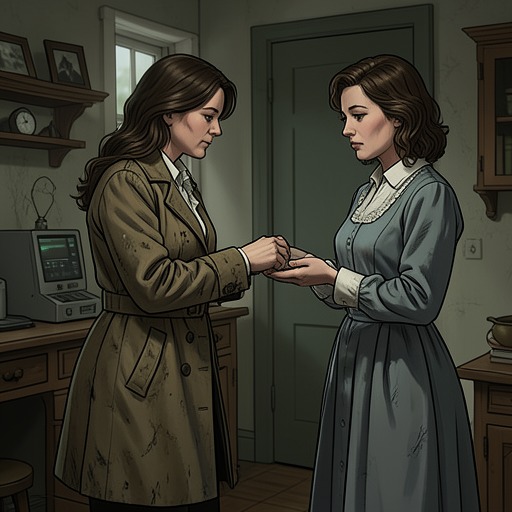
Her expansiveness is comic, but it also means that Maggie can quickly take charge of a room. At the hospital, she accompanies Queenie during an examination concerning her IUD. While they wait, Maggie presses antibacterial hand gel on her and grips her hand to underline her point. Queenie had expected a calm adult presence; instead, she finds herself resisting Maggie’s physical fussing and trying to keep her hands out of reach. Even in a clinical setting, Maggie turns worry into a lesson.
Advice, Convictions, and Control
Maggie’s advice about relationships is categorical. She warns Queenie that Gemini men take what they can and leave women broken, drawing on what she says she has seen happen repeatedly. Queenie questions whether Maggie is really warning her about Gemini men or white men, and Maggie answers by invoking Queenie’s past hope that a white partner would save her. The exchange shows Maggie’s ability to voice a sharp suspicion about race and intimacy, but also her tendency to make a personal rebuke out of concern.
She brings the same certainty to Queenie’s IUD. On the bus after the hospital visit, Maggie claims that Black women had historically been given implants and IUDs without their knowledge to prevent pregnancy, and cites a family acquaintance who struggled to conceive. She then warns that the device may be harmful to Queenie’s body. These are Maggie’s assertions, not medical findings established by the narrative. Her concern blends distrust rooted in the history she invokes with a confident, speculative account of bodily risk. She also invites Queenie to church, assuring her that even someone with an IUD is welcome and framing the invitation as a chance for God to save her. The offer of welcome is inseparable from Maggie’s judgment of Queenie’s choices.
Maggie’s religious language likewise governs how she talks about sex. When she encourages Queenie to attend church, she describes her as morally wayward because of the IUD and casual sex. At the same time, Maggie’s own life complicates her moral authority: she is preparing for a date with a pastor, despite Queenie teasing her about the apparent contradiction. Maggie answers that the man is a pastor, turning the joke aside rather than giving up the date.
Marriage, Motherhood, and Diana
Maggie explains her distrust of men through her marriage. Years earlier, her ex-husband said he was going out for petrol and did not return for fifteen hours. When he came back, she confronted him with a joke about having found petrol in Scotland, then told him to leave. She recalls having a baby to care for and bills to pay, and says she could not manage a man’s nonsense. The next day she asked a doctor to tie her tubes because she did not want more children. Her story gives personal history to her warnings: independence and responsibility, rather than romantic patience, are the values she emphasizes.
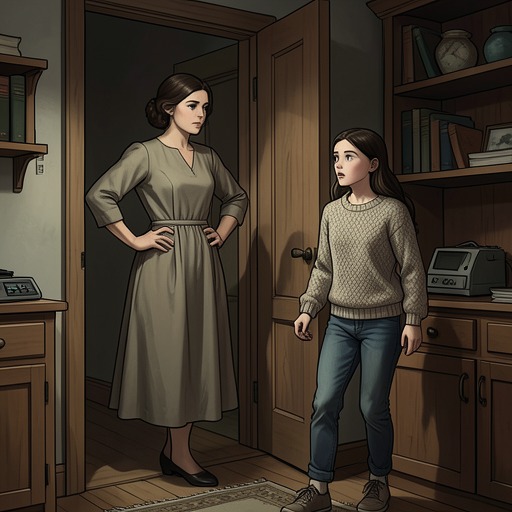
Her daughter Diana is fifteen in Maggie’s account, and their relationship includes familiar arguments about attention, school, and growing up. When Queenie arrives to babysit, she finds Maggie reprimanding Diana for spending time on her phone instead of paying attention to school. Maggie complains that Diana watches makeup videos, while Diana counters that she is learning from makeup tutorials and has even done Maggie’s makeup for her date. Maggie’s criticism is severe, but the scene also shows Diana answering back and asserting that her interests count as learning.
Maggie has asked Queenie to keep Diana company while she goes on her first date since the divorce. She is dressed for the occasion in leopard-print boots with very high heels, admits she will have to try to walk in them, and leaves with a wink. Her instructions to Diana include not spending the evening on her phone and not having chicken and chips from Morley’s for dinner again. The scene lets Maggie be both a strict mother and a woman reclaiming a social life of her own.
Care in Crisis and Resistance to Therapy
When Queenie calls during a severe panic episode and says she cannot breathe, Maggie agrees to come over by cab, though she has to bring Diana because Diana’s father has forgotten that he was meant to take her that weekend. On arrival, Maggie notices the damp smell in Queenie’s flat. She asks whether Queenie is under stress and whether she has been praying; Queenie resists the religious question, and the crisis soon becomes unmistakable. Maggie tells her to change out of her wet clothes, gather overnight things, and go to her mother’s home. When Queenie does not want to leave, Maggie insists on getting a cab and helps her stand. Her response is practical and decisive, even as her understanding of distress remains shaped by faith and family habit.
That mixture becomes more conflicted when Queenie seeks counseling. After a nurse refers her for talk therapy, Queenie tries to explain to her grandmother that she needs help and has been carrying too much. Maggie’s mother reacts angrily, invoking the pain she endured in her own youth and the disbelief with which an earlier generation would have met psychotherapy. Maggie is part of this family resistance to speaking openly about mental health, a resistance expressed through endurance and religious expectation rather than through a lack of suffering. Wilfred intervenes, asking Veronica to let Queenie go and suggesting that if the family had learned to talk about its troubles, it might not carry them to the grave. Maggie’s opposition belongs to a wider generational conflict, not a settled account of Queenie’s needs.
Affection, Boundaries, and Later Family Life
Maggie’s care can cross Queenie’s boundaries. At Queenie’s birthday gathering, she greets her with a hug, though Queenie pulls away. Diana reminds Maggie that Queenie does not like hugs and that it is all right not to want to be touched. Maggie’s impulse is affectionate, but Diana makes clear that affection does not override Queenie’s preference. Maggie has also brought a small gift of lavender oil, which she hopes will help Queenie relax, offering a gentler form of care than the unwanted embrace.
At a later family meal, Maggie is still unmistakably loud, talking as she slices pizza and putting pieces on Sylvie’s plate to taste. Around her, relatives share food, conversation, and small acts of attention. Maggie’s place in this scene is not defined by her earlier arguments alone: she is part of the ordinary, sometimes unruly family company that Queenie returns to. Across the novel, she remains a source of pressure and protection at once, a relative whose care is real but whose beliefs can make receiving it difficult.