Queen and her child
RumplestiltskinThe relationship between the queen and her child is shaped before the child is born by a bargain the queen accepts under pressure, and later defined by her refusal to surrender the baby. The child is first treated as the promised price for the gold that wins the queen her crown; once born, the baby becomes the focus of her joy, her grief, and the contest that ends with the child safely in her care.
A Promise Made Before Birth
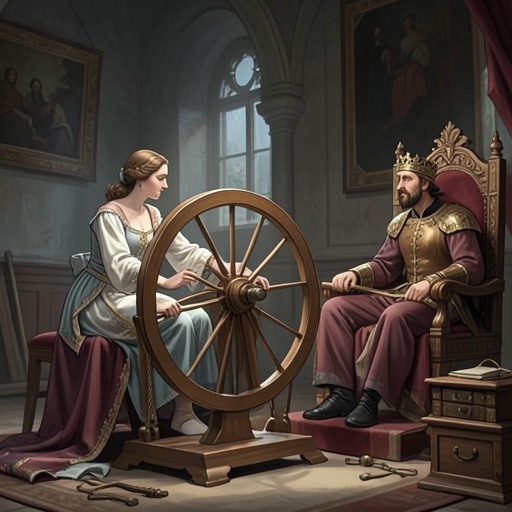
The bargain takes shape during the queen’s third trial of spinning straw into gold. The king has brought her to an even larger heap and promised that, if she completes the task overnight, she will become his queen. With nothing left to give the dwarf for his help, she agrees to surrender the first child she may have as queen. She thinks the event may never happen, but accepts because she sees no other way to finish the task. The agreement therefore precedes both the child and the queen’s experience of motherhood: an imagined future baby is made the price of an immediate escape from danger.
The stakes of that exchange rise when the dwarf spins the heap into gold and the king keeps his word, marrying the miller’s daughter, who becomes queen. The child’s place in the relationship is thus bound to the conditions of the queen’s change in status. Yet the story does not present the later claim as an ordinary family arrangement: the supernatural bargain gives the dwarf a claim over the firstborn, while the queen’s role as mother makes that claim intolerable once there is a real child to lose.
The Baby and the Forgotten Bargain
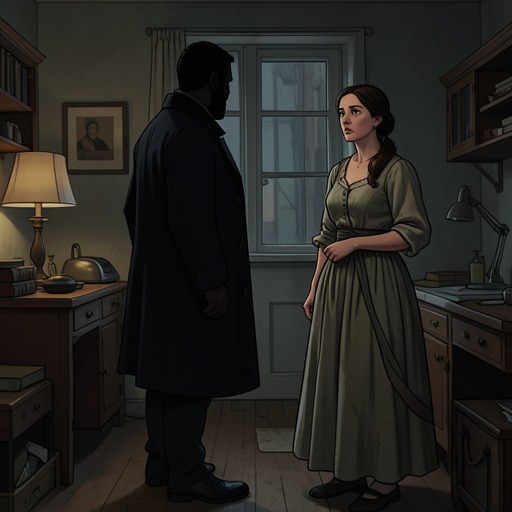
At the birth of her first child, the queen is very glad and forgets both the dwarf and what she promised. The narrative makes the contrast stark: the earlier bargain concerned a hypothetical child, while the baby’s arrival turns that distant promise into an immediate personal bond. One day, as the queen sits playing with her baby, the dwarf comes into her room and reminds her of the agreement. His return places the mother and child together in the very moment that the old bargain resurfaces.
The queen grieves at the prospect of losing the child and offers the dwarf all the wealth of the kingdom if he will release her from the promise. He refuses at first, so wealth cannot simply undo the claim made in exchange for his labor. Her tears, however, soften him. He grants her three days to discover his name, making the child’s continued presence with the queen depend on solving a new condition. The relationship is now caught between two different forms of value: the kingdom’s riches, which the queen is willing to surrender, and the personal bond with her child, which she is desperate to preserve.
The Child at the Center of the Test
The name challenge gives the queen a narrow chance to keep the baby. She spends the first night awake, thinking through the unusual names she has heard, and sends messengers throughout the land to find more. On the first day, the dwarf rejects names including Timothy, Ichabod, Benjamin, and Jeremiah. On the second, he also rejects comic names such as Bandy-Legs, Hunchback, and Crook-Shanks. Each refusal prolongs the danger: the queen has been given time, but she has not yet secured her child’s future.
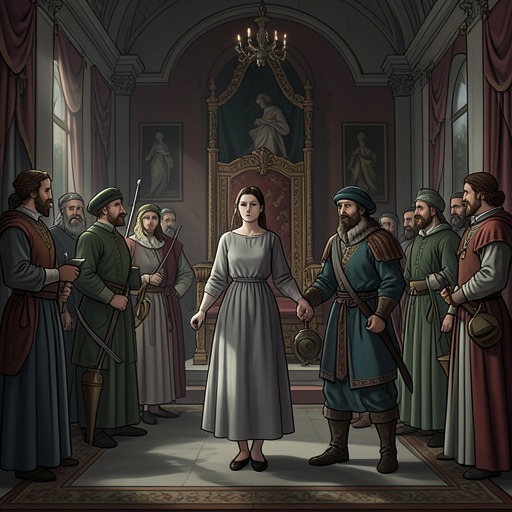
When she learns the dwarf’s name, the queen prepares to confront him publicly. She sits on her throne and calls the court to witness the encounter; beside her, the nurse holds the baby as though the child is ready to be handed over. The staging keeps the threat visible rather than abstract. The dwarf arrives chuckling at the thought of taking the child home to his hut in the woods, while the queen tests him with several wrong names before naming him Rumpelstiltskin. His rage at being recognized ends his claim in practice: he struggles to pull his right foot from the floor, then makes his way off.
Separation Averted
The ending confirms that the child stays with the queen. The nurse laughs, the baby crows, and the assembled court jeers at the dwarf for having gone to so much trouble for nothing. Their reactions mark the reversal: the child who had seemed destined to be surrendered is present among the queen’s household, and the threatened transfer does not occur. The story gives no account of the child’s later life, but it does resolve the immediate danger decisively: the dwarf leaves without the baby, and the queen retains her child.
The relationship’s central movement is from an obligation imposed before birth to a bond defended after birth. The queen initially accepts the bargain because she believes the promised child may never exist and has no other way to complete the task. Once the baby is real, her willingness to give up all the kingdom’s wealth, her grief, and her effort to discover the dwarf’s name show how completely the stakes have changed. The name test does not erase the history of the bargain; it provides the condition through which the queen prevents that bargain from separating mother and child.