Vasudeva
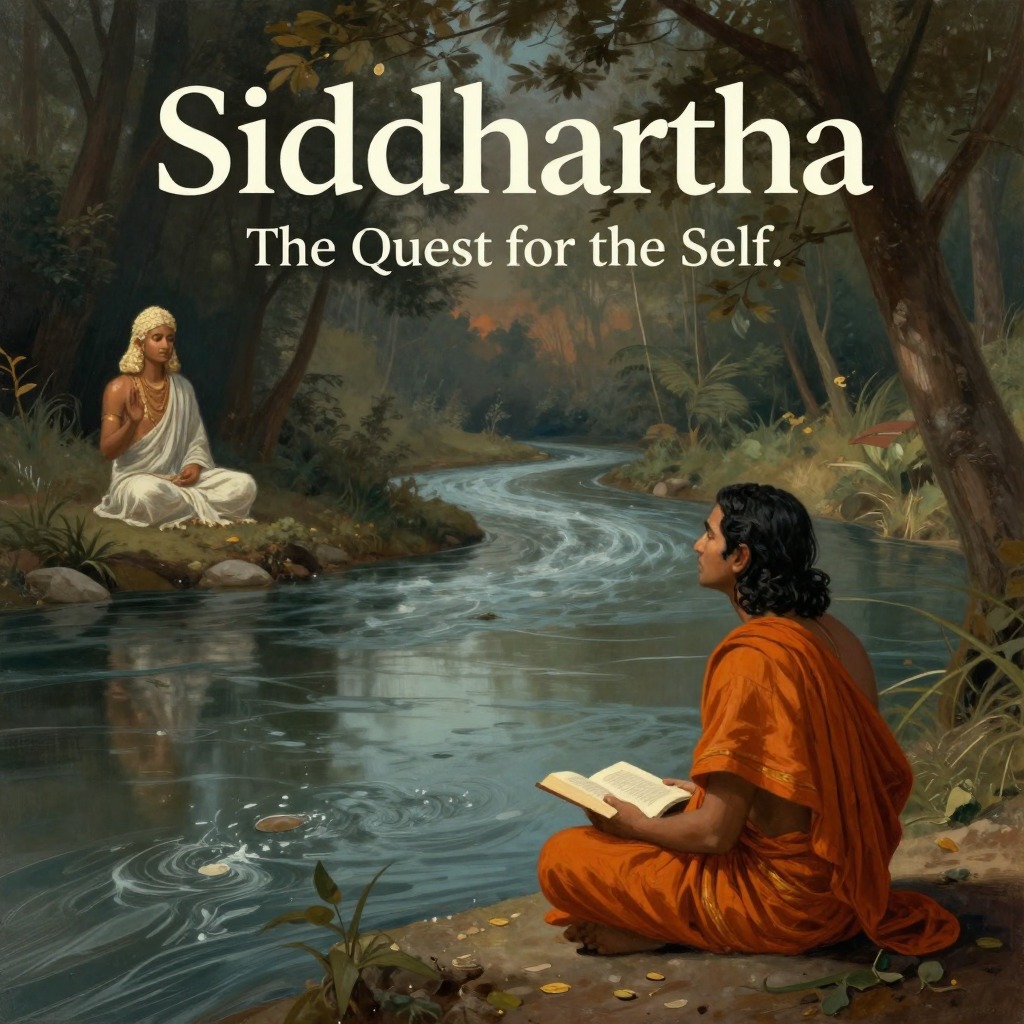
SiddharthaVasudeva is the ferryman who, in the second half of Siddhartha's life, becomes his most profound teacher and companion. A man of few words and immense stillness, Vasudeva has learned everything he knows from the river, and his quiet, radiant presence embodies the peace and oneness that Siddhartha has sought across his entire journey. He is not a thinker or a preacher; he is a listener, and his ability to listen without judgment or impatience creates a space in which Siddhartha can finally confess his life and heal his deepest wounds.
Identity and Introduction
Vasudeva first appears when the young Samana Siddhartha, having left the grove of Gotama the Buddha, crosses the river on his way to the city. The ferryman is a simple, friendly man who loves the river more than anything and has learned from it that "everything is coming back." He refuses payment for the crossing, telling Siddhartha he will give him a gift another time, and they part with a smile. Siddhartha, still in his ascetic phase, thinks of him as like Govinda—submissive, childlike, and thankful. More than twenty years later, when Siddhartha, now a wealthy, disgusted, and despairing man, returns to the same river intending to drown himself, he is saved by the sound of Om and falls into a deep sleep. When he wakes, he finds Vasudeva still at the ferry, now an old man, and asks to stay with him as his assistant. Vasudeva recognizes him and welcomes him, saying, "My name is Vasudeva."
The Art of Listening and the River's Teaching
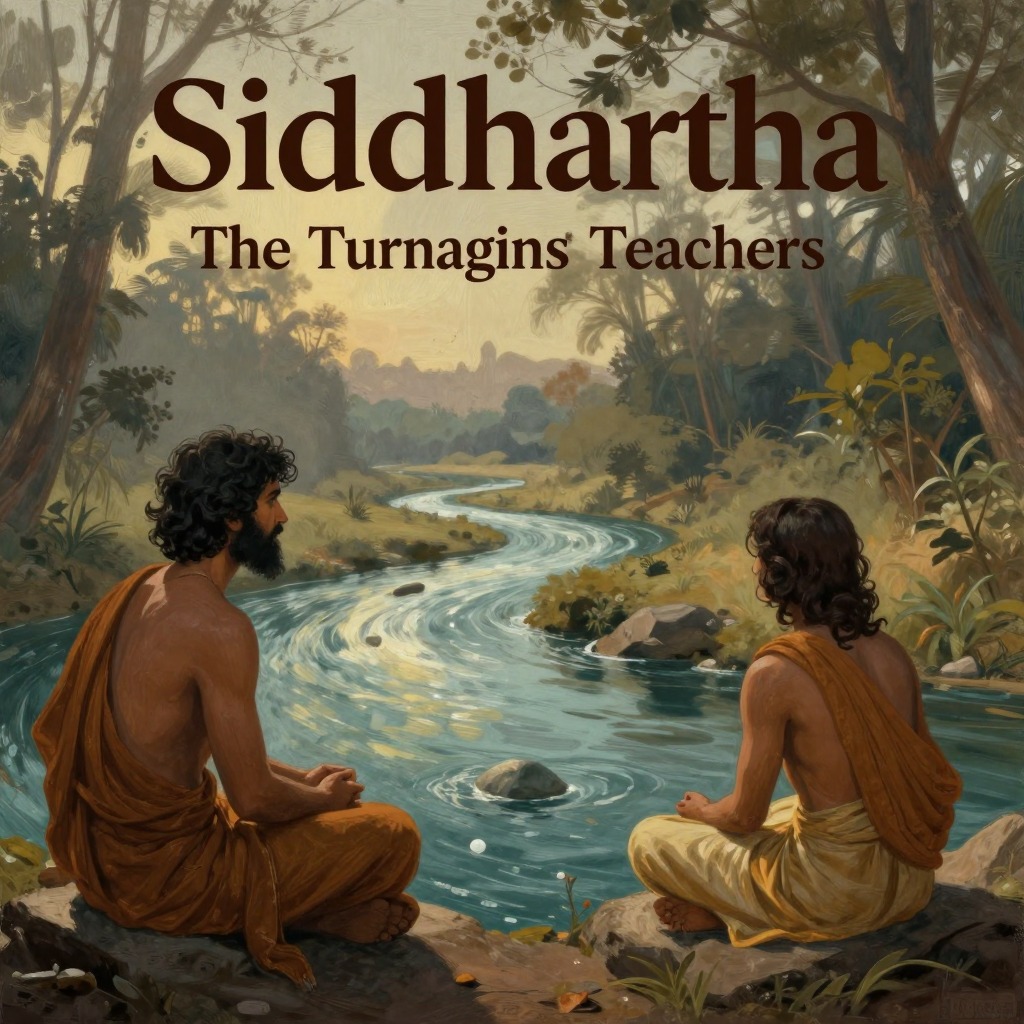
Vasudeva's greatest virtue is his ability to listen. When Siddhartha tells him the entire story of his life—from his Brahman childhood through his years as a Samana, his encounter with Gotama, his worldly life with Kamala and Kamaswami, and his despair by the river—Vasudeva listens with "great attention," letting every word enter his mind "quiet, open, waiting." He does not add praise or rebuke; he simply absorbs the confession. Siddhartha feels that to confess to such a listener is a "happy fortune." Vasudeva tells Siddhartha that the river has spoken to him and that he will learn from it as well. He teaches Siddhartha that the river is everywhere at once—at the source and the mouth, at the waterfall and the sea—and that there is only the present time, not the shadow of the past or the future. He also teaches Siddhartha to hear the river's thousand voices—the voice of a king, a warrior, a bull, a bird of the night, a woman giving birth—and to hear them all at once as the single word Om, the perfection. Over the years, Siddhartha's smile becomes more and more like Vasudeva's, "almost just as bright, almost just as throughly glowing with bliss," and many travellers think the two ferrymen are brothers.
The Wound of Love and the Final Teaching
When Siddhartha's son, born from Kamala, arrives after her death, Siddhartha is consumed by a blind, suffering love for the boy. The boy is rebellious and runs away, and Siddhartha is left with a burning wound. Vasudeva, who has been watching in silence, finally speaks at length, advising Siddhartha to let the boy go and return him to the city. He tells Siddhartha that he cannot protect his son from Sansara, that no father or teacher could ever protect him from living his own life, and that the river laughs at their foolishness. Siddhartha cannot heed this advice, but the wound continues to burn. One day, driven by yearning, Siddhartha decides to go to the city to find his son, but the river laughs at him, and he sees his own father's face in the water, realizing the same pain is being repeated. He returns to the hut and confesses everything to Vasudeva, including his envy of happy fathers and his futile fight against his wishes. As he speaks, he feels that Vasudeva is no longer a human being but the river itself, God himself, the eternal itself. Vasudeva then leads him to the bank and tells him to listen more deeply. Siddhartha hears the river's thousand voices—his father, himself, his son, Kamala, Govinda—all merging into one, and he hears the single word Om. His wound blossoms, his suffering shines, and his self flows into the oneness.
Departure and Significance
After Siddhartha's final realization, Vasudeva tells him he has been waiting for this hour. He says, "Now it's enough. Farewell, hut, farewell, river, farewell, Siddhartha!" He leaves with a bright smile, going into the forests, into the oneness. Siddhartha watches him go, seeing his steps full of peace, his head full of lustre, his body full of light. Vasudeva's role in the novel is that of the ultimate teacher who teaches not through words but through presence and listening. He is the living embodiment of the wisdom that cannot be passed on, the proof that the river's secrets can be learned by anyone who is willing to listen with a quiet heart. His departure marks the completion of Siddhartha's own journey, leaving him as the new ferryman, now himself a perfected one whose smile is the same as Gotama's.